




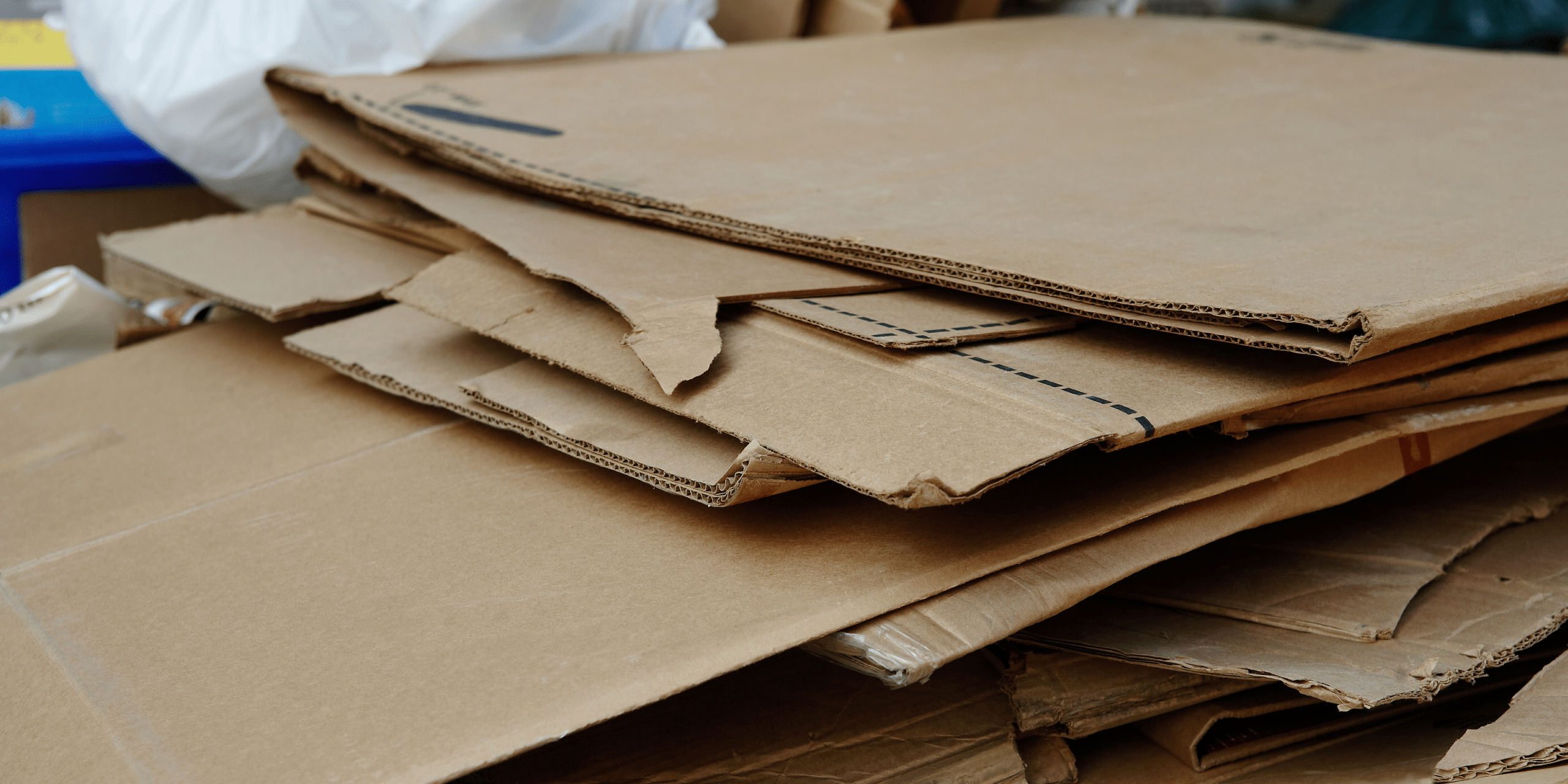
Discover how cardboard balers and roto compactors can help businesses reduce waste volumes, lower collection costs, save space and improve...
Read More
Waste Equipment Training: Improve Safety, Compliance and Operational Performance
Across waste and recycling operations, equipment like balers and compactors play a key role in keeping sites running efficiently.
But without the right training, even the best equipment can quickly become a risk.
Waste equipment training is not just about using machinery, it’s about keeping your site safe, staying compliant, and getting the best performance from your setup.
The Risk of Incorrect Equipment Use
Balers, compactors and other recycling equipment are built to improve efficiency. Used incorrectly, they can do the opposite.
The kinds of issues that lead to accidents, downtime and avoidable repair costs include:
- Incorrect loading of materials
- Unsafe attempts to clear blockages
- Poor understanding of emergency stops
- Missed or inconsistent safety checks
Structured training helps remove these risks before they impact your operation.
Training and Legal Compliance (PUWER)
Training is a legal requirement, not a nice-to-have.
Under the Provision and Use of Work Equipment Regulations (PUWER), businesses must ensure that anyone using machinery is properly trained and competent.
This applies to:
- New starters
- Staff using unfamiliar equipment
- Temporary or agency workers
Without the right training in place, businesses face:
- Increased risk of injury
- Compliance issues
- Potential insurance complications
Getting this right protects both your team and your business.
The Operational Benefits of Equipment Training
Good training does more than tick a compliance box. It directly improves how your site runs day to day.
With proper baler and compactor training, businesses often see:
Improved safety
Fewer incidents and greater confidence across teams.
Reduced downtime
Correct use reduces breakdowns and avoids misuse.
Better efficiency
Improved loading and operation speeds up processes.
Lower maintenance costs
Less strain on equipment means fewer repairs.
Longer equipment lifespan
Well-used machinery lasts longer and performs better.
In simple terms, trained operators deliver stronger results.
Bridging the Gap After Installation
One of the most common gaps in waste operations is what happens after equipment is installed.
The machine is delivered and ready to use, but operators are often left without proper, hands-on training.
This can lead to:
- Incorrect use of equipment
- Increased safety risks
- Reduced efficiency from day one
On-site training closes that gap and gives teams the confidence to use equipment correctly from the start.
What Good On-Site Training Looks Like
Effective training should be practical, relevant and tailored to your site.
A strong programme typically covers:
- Safe start-up and shutdown procedures
- Correct loading techniques
- Identifying and preventing common issues
- Emergency stops and safety features
- Routine checks and operator responsibilities
Hands-on training ensures knowledge is applied immediately in a real working environment.
Building Safety into Everyday Operations
The strongest waste operations do not treat safety as a one-off exercise.
They build it into daily processes through:
- Ongoing training
- Clear procedures
- Competent, confident operators
When done properly, safety becomes part of how the site runs, not something revisited after a problem.
A Smarter Way to Protect Your Investment
Cutting corners on training often leads to higher costs later.
Accidents, downtime and equipment damage all impact your bottom line.
Investing in waste equipment training helps you:
- Protect your team
- Improve efficiency
- Stay compliant
- Get more from your equipment
Book Your Waste Equipment Training Today with Flame UK
If you have recently installed new equipment, onboarded new staff, or want to improve performance across your site, now is the right time to review your training.
At Flame UK, we deliver on-site training for balers, compactors and recycling equipment, tailored to how your operation works.
Make safety part of your process, not an afterthought.
Useful Links
Recent Blog Posts
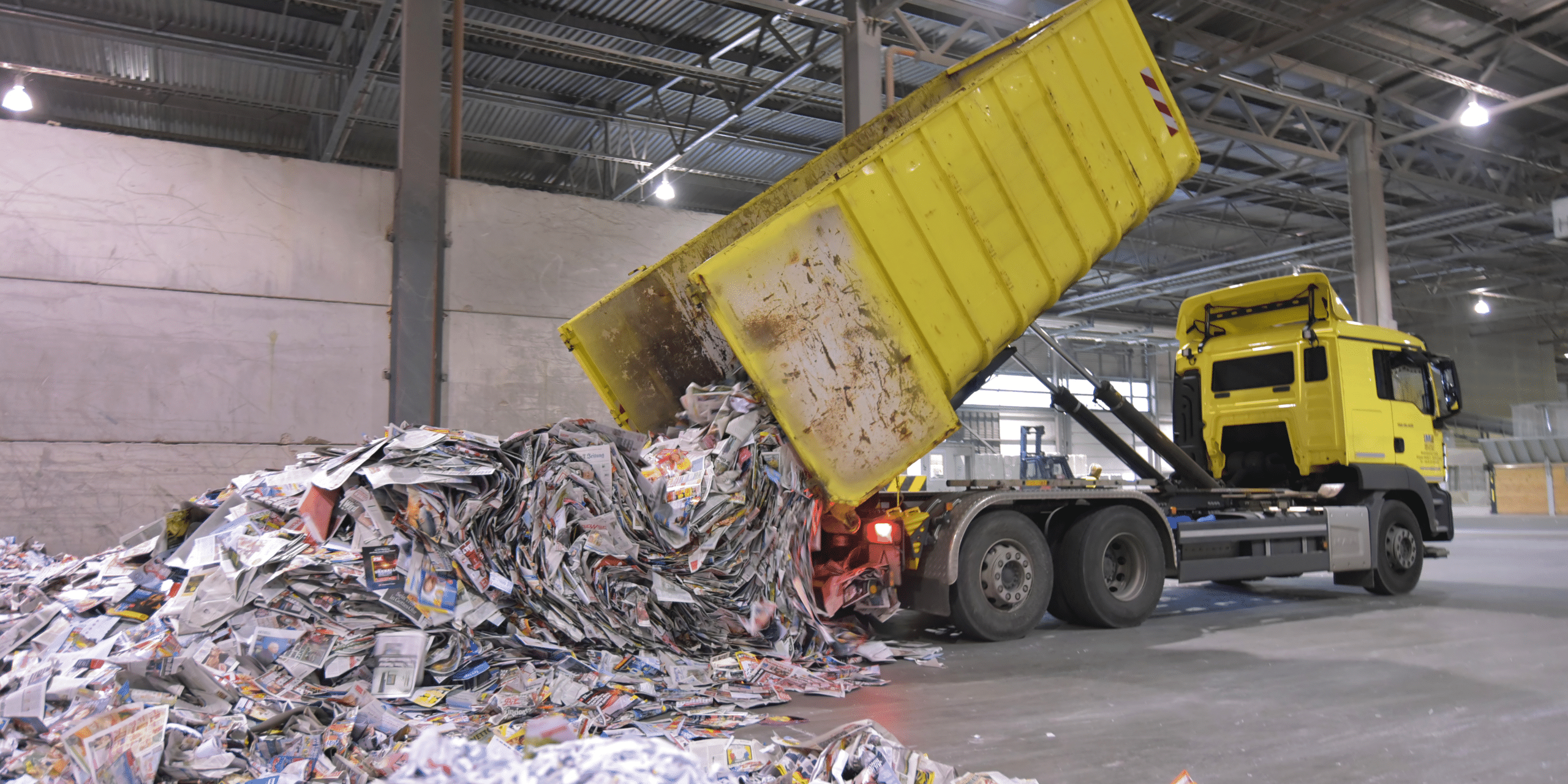
Waste Management in 2027: What Businesses Need to Prepare For
Discover the key waste management changes coming in 2027, including Simpler Recycling, Digital Waste Tracking and the Deposit Return Scheme,...
Read More
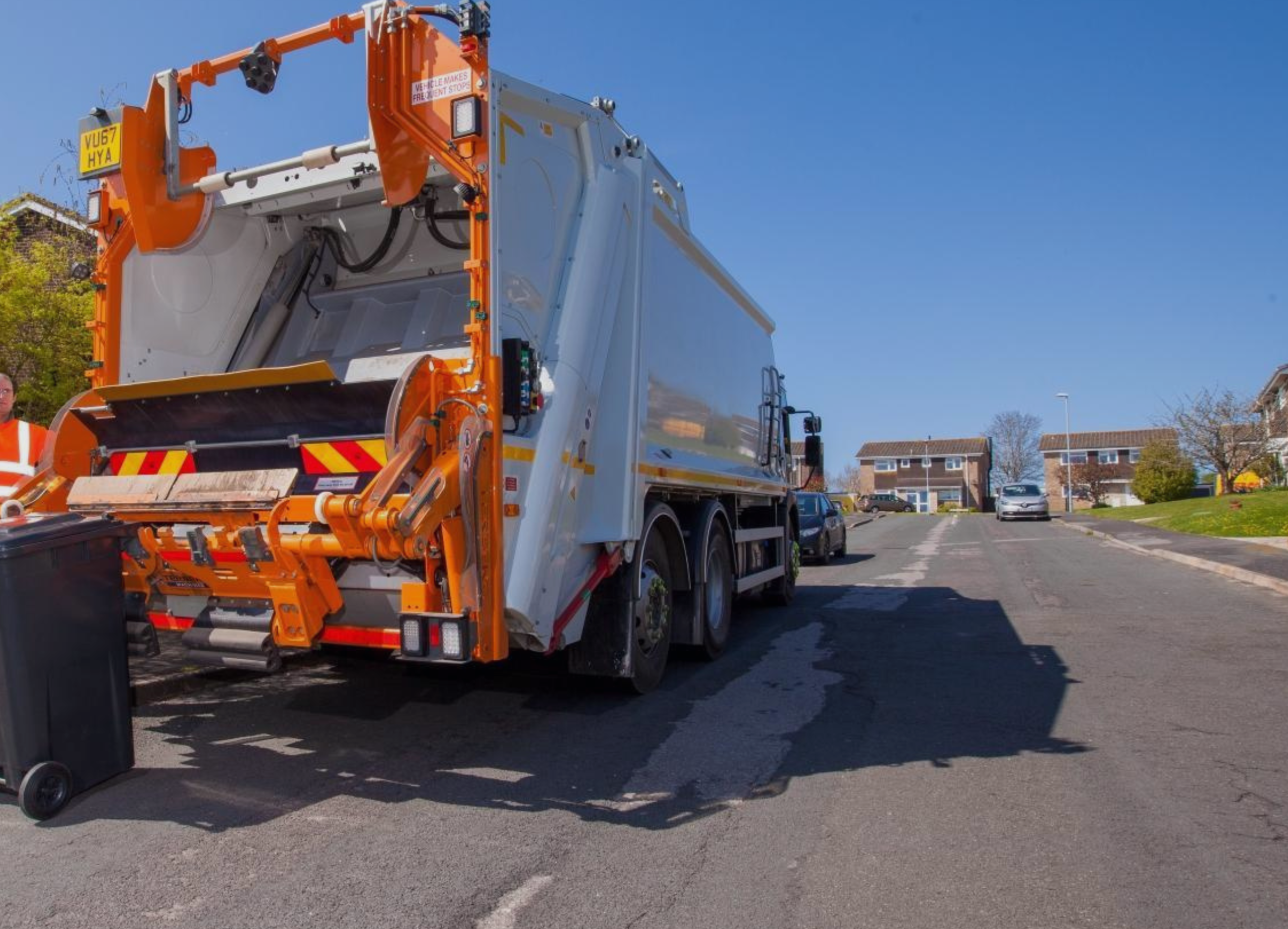
Digital Waste Tracking Is Here: What Businesses Need to Know
Digital Waste Tracking is now in effect. Discover what Phase 1 means for businesses, who is affected and what happens...
Read More
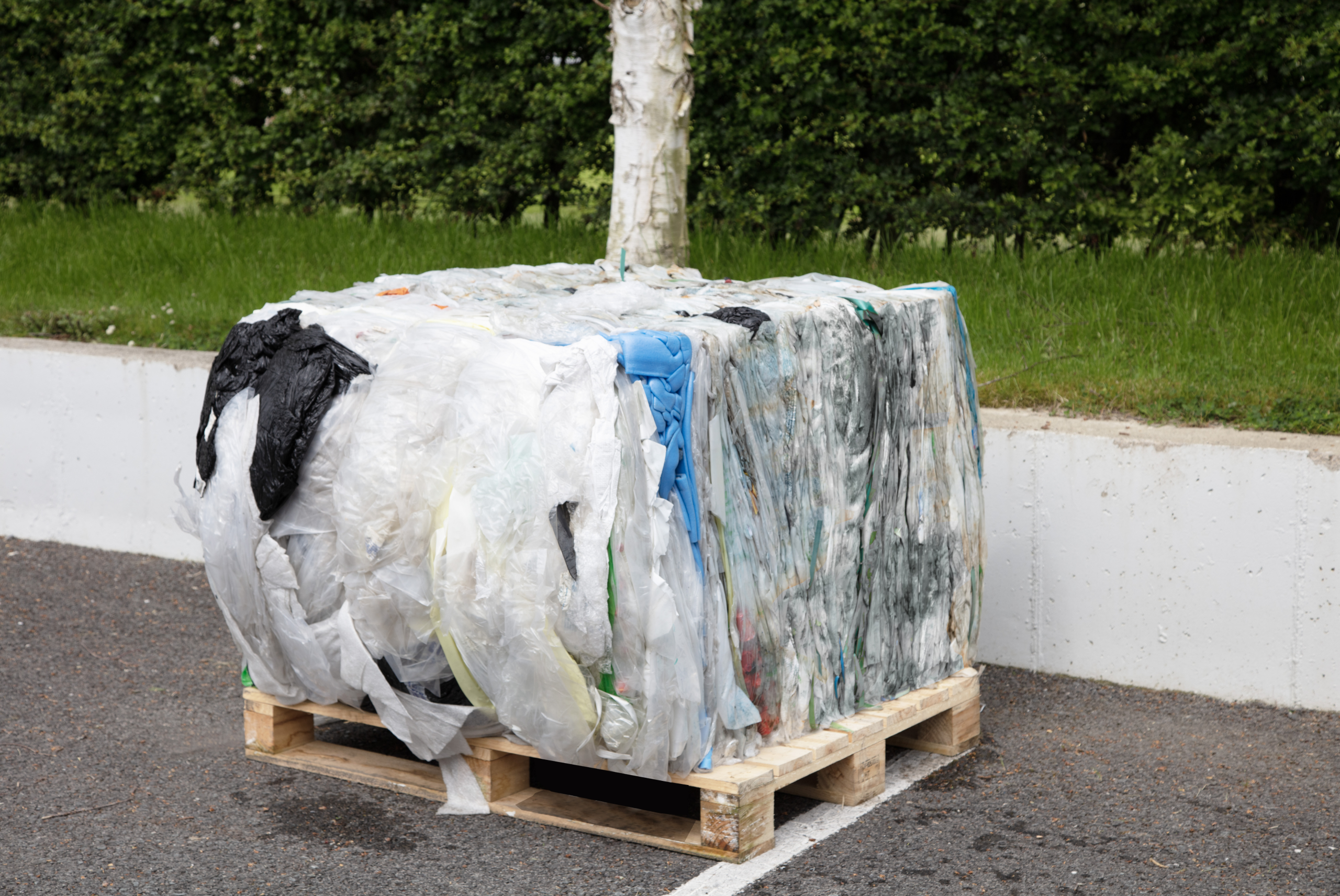
PRN Market Update 2026: Rising Prices, Evidence Shortages and the Impact on Business Waste Costs
PRN prices are rising sharply in 2026 as recycling evidence shortages and higher packaging recycling targets put pressure on the...
Read More

Whitemeadow Furniture Limited
Discover how Flame UK helped Whitemeadow Furniture simplify waste management, reduce general waste and increase recycling with one point of...
Read More
The Real Cost of Contaminated Recycling in 2026
Recycling contamination can lead to additional charges, rejected collections and poorer recycling performance. Discover what causes contaminated recycling, the warning...
Read More