Discover how Flame UK helped Whitemeadow Furniture simplify waste management, reduce general waste and increase recycling with one point of...
Read More
100%
of hot water is generated on site
5
new recycling routes created
100%
of glass bottles are recycled
Useful Links
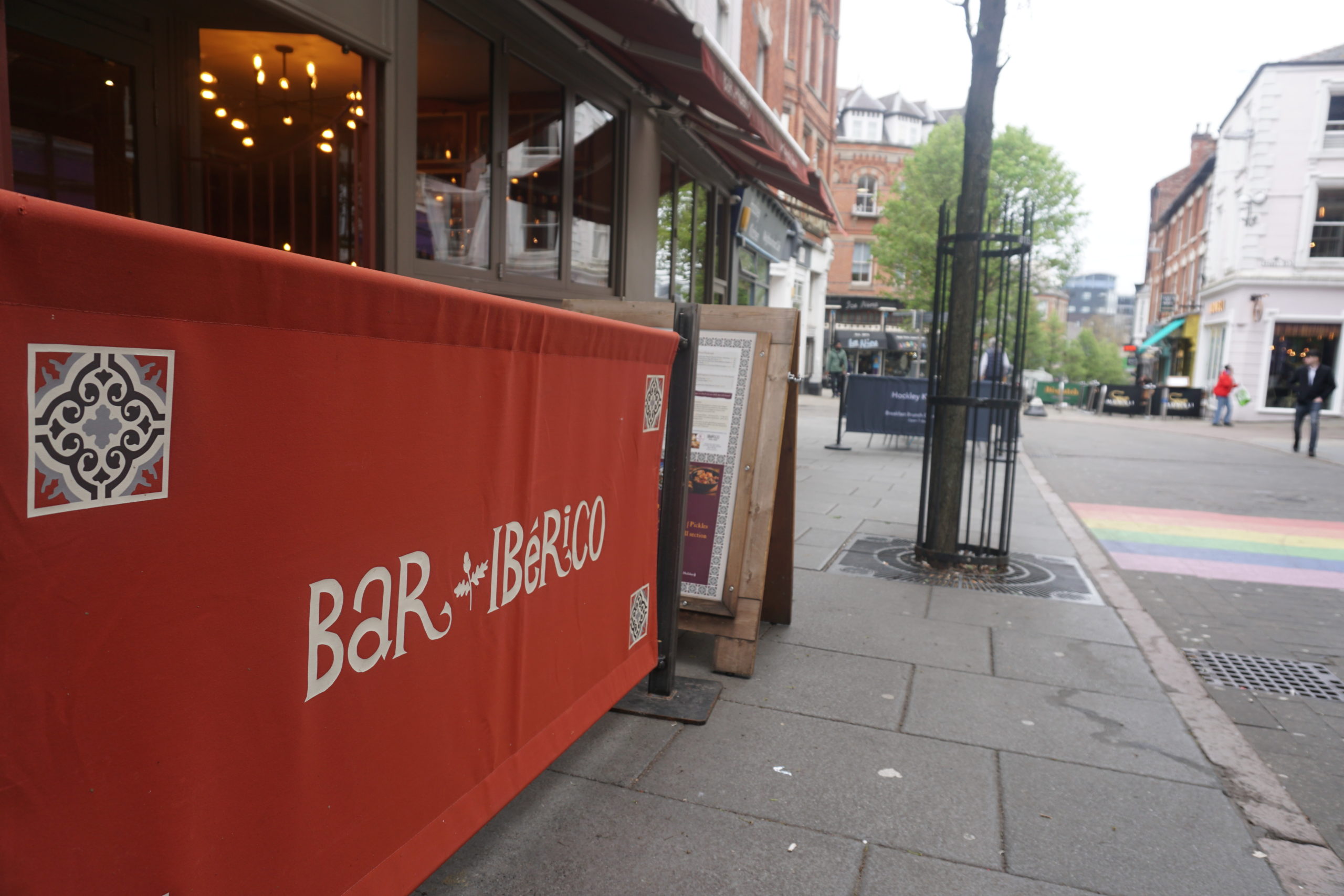
Bar Iberico
Flame UK helped tapas restaurant Bar Iberico to become more sustainable through food waste management.
Read More
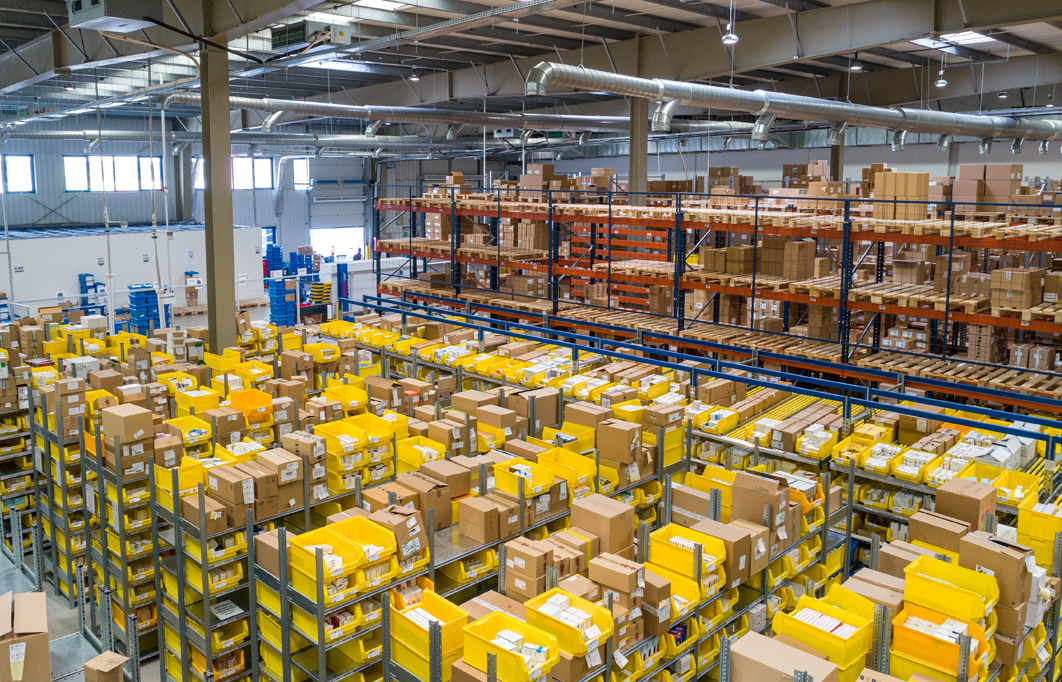
Magnet Expert
Magnet Expert turned to Flame UK for help with handling the diverse waste streams at their base in Tuxford, North...
Read More
Where Heritage Meets Sustainability
Doddington Hall & Gardens, a historic estate in Lincolnshire, is rooted in heritage yet looks boldly to the future. Over recent years, the Hall has embarked on an ambitious sustainability journey – regenerating its land, reducing carbon emissions, and championing circular waste practices. Flame UK has supported this transformation as a committed partner, working closely with the estate to implement systems and practices that align with its environmental values and long-term vision.
Together, Doddington Hall and Flame UK have introduced a range of initiatives across the estate, ensuring sustainability is embedded across operations, visitor experience, and community engagement.
The Sustainability Journey
Biomass Heating and Low‑Carbon Energy
One of the cornerstones of Doddington Hall’s sustainability strategy is its biomass boiler, which heats the Hall, cafés, shops, their wedding venue, and holiday cottages. The boiler is fuelled by wood chip produced from sustainably managed woodland on the estate.
This local, closed-loop heating system reduces reliance on fossil fuels and showcases how estate waste can be repurposed for energy.
In addition, Doddington Hall has installed solar panels across several buildings, harnessing solar power to generate clean electricity. Rainwater is also collected and used in the gardens and in low-flush toilets, further conserving resources.
Wilder Doddington & Biodiversity
At the heart of the estate’s long-term plan is Wilder Doddington – an ambitious 400-year project to bring more nature back to the Doddington Estate, and help people discover, learn and love the natural world.
Lincoln Red cattle, pigs, wild deer and ponies are a driving force at Wilder Doddington, shaping the landscape and creating habitats through low-intensity grazing. By letting nature take the lead, formerly drained, conventionally farmed land is becoming wood pasture, wetlands and species-rich grassland – resulting in more wildlife, lower greenhouse gas emissions, healthier soils, cleaner water and reduced flood risk.
They are also building community engagement through Wilder Connections, a programme backed by The National Lottery Heritage Fund, to bring people (especially underserved groups) into nature via volunteering, education, and citizen science.
Waste Management & Recycling
Doddington Hall is committed to recycling, reuse, and minimising packaging. Across the estate, they promote general recycling and source products made from recycled materials. In practice, with support from Flame UK, the estate implements a structured waste segregation system, separating streams such as food, metal, wood, glass, and cardboard. This approach ensures materials are effectively recycled or repurposed, reinforcing Doddington Hall’s strategic commitment to sustainable operations.
Sustainable Transport
To support low-carbon travel, Doddington Hall has five fast EV chargers in their renovated car park. They also support walking and cycling: the Georgie Twigg Track, a traffic-free cycle route, connects the estate to Lincoln.
Local, Low-Carbon Food
The estate’s kitchen garden grows fruit, vegetables, salad and herbs, using organic techniques, biological pest control, and crop rotation – avoiding chemical fertilisers and pesticides. A driving force of the Wilder Doddington project is a herd of rare breed and pasture-fed Lincoln Red cattle, their low stocking rate allows biodiversity to build and stores carbon in soils and vegetation.
Rainwater & Energy Efficiency
In addition to rainwater harvesting, Doddington uses natural ventilation and low-energy appliances wherever possible.
Flame UK’s Role & Impact
As the waste‑management partner, Flame UK has worked closely with Doddington Hall to align waste operations with their environmental goals:
- Segregated Waste Streams – Flame has supported Doddington in collecting and segregating different types of waste (e.g., food, glass, cardboard, metal, wood). This ensures materials are reused or recycled effectively, reducing contamination and landfill.
- Recycling Infrastructure – By helping to design practical waste‑stations around the estate, Flame has made recycling more accessible for staff, visitors, and events.
- Reporting & Data – Flame provides Doddington with regular waste‑audit reports, helping the estate track how much waste is diverted, where efficiencies can be improved, and how to target further reductions.
- Education & Engagement – Through collaboration, Flame has helped raise awareness among staff and visitors about waste segregation, the benefits of recycling, and how their practices support Wilder Doddington’s broader ecological goals.
Voices of the Estate
Paul, Head of Maintenance, Doddington Hall
“As Head of Maintenance I see how sustainability shows up in the everyday running of Doddington – from how we sort waste and manage energy to the way we care for our historic buildings and wider estate. A big part of our sustainability journey is helping the whole team understand what we’re doing and why; it only really works when everyone, in every department, is on board and pulling in the same direction. Working with Flame UK has given us clear data, practical advice and ongoing support, which makes it much easier to change habits and turn good intentions into everyday practice.”
Claire, Estate Owner, Doddington Hall
“Ever since reading Silent Spring in my early teens, I’ve felt a responsibility to look after the environment, and when we took over at Doddington in 2006 it was time to turn that conviction into action. Sustainability for us isn’t a bolt-on project, it’s a whole-estate journey – from biomass heating, local food and low-energy buildings to Wilder Doddington, the Wild House (the first Passivhaus Premium commercial building in England) and now landscape-scale recovery stretching from Lincoln along the Witham Valley towards Newark. Working with Flame UK helps us embed circular, low-waste thinking into the everyday running of the estate so that sustainability, biodiversity, community and heritage all thrive together.”
Outcomes & Benefits
- Reduced Waste to Landfill: Thanks to segregation and recycling, Doddington has significantly lowered the proportion of waste sent to landfill.
- Carbon Savings: The biomass boiler powered by estate wood and the solar generation reduce carbon emissions, while rainwater harvesting lowers water‑use footprint.
- Biodiversity Gains: Wilder Doddington is regenerating habitats, improving soil health, and boosting wildlife – supported by reduced disturbance and better resource use.
- Visitor Engagement: The EV chargers, permeable travel infrastructure, and visible recycling systems signal to visitors that sustainability is a real, lived value at Doddington.
- Long-Term Strategy: With waste data from Flame UK, Doddington can continue refining its sustainability roadmap, scaling up initiatives like packaging reduction, further segregated waste streams, and community education.
Future Ambitions
Looking ahead, Doddington Hall aims to further embed sustainability across the estate by increasing circularity, converting more operational waste such as wood, garden cuttings, and food into on-site resources like compost and biomass. The estate also plans to expand the Wilder Connections programme, growing community engagement through nature education, volunteering, and citizen science to strengthen the connection between people and place. In addition, Doddington Hall intends to scale its renewable infrastructure by adding more solar PV, improving building insulation, and exploring additional low-carbon heating options. Efforts will continue to achieve zero-waste events by reducing packaging, single-use items, and waste streams across weddings, cafés, and estate activities. Finally, the estate will leverage Flame UK’s waste-audit data to set ambitious targets, monitor progress, and publicly report outcomes, positioning Doddington Hall as a sustainability exemplar for other historic estates.
Why This Partnership Works
- Shared Vision: Doddington Hall’s long-term sustainability ambitions align closely with Flame UK’s expertise in waste‑management, recycling, and resource recovery.
- Holistic Approach: Rather than just “collecting bins,” Flame supports an integrated model – from biomass fuel to visitor engagement – that makes sustainability part of the day-to-day.
- Scalable Impact: The successes at Doddington demonstrate how historic estates can be at the forefront of ecological restoration, not just preservation.
- Community Value: Through Wilder Connections and visitor infrastructure, this is not only about estate operations – it’s about connecting local people, especially underserved groups, to nature and sustainability.
Doddington Hall’s sustainability journey demonstrates how historic estates can marry heritage with forward-thinking environmental stewardship. Through its partnership with Flame UK, the estate has implemented practical, impactful solutions that reduce waste, lower carbon emissions, and support biodiversity, all while engaging staff, visitors, and the wider community. By embedding circular practices, renewable energy, and education across operations, Doddington Hall is not only safeguarding its natural and cultural legacy but also inspiring others to follow a sustainable path. This ongoing collaboration highlights that with vision, expertise, and commitment, sustainability can be seamlessly integrated into every aspect of estate life.
Image courtesy of https://www.doddingtonhall.com/ used with permission