Baler Consumables: Bale Strapping & Wire
Quality consumables to keep your baler running efficiently. Explore our range of bale strapping and baling wire, with options for compatible baling equipment.
Click Here to Get Your Quote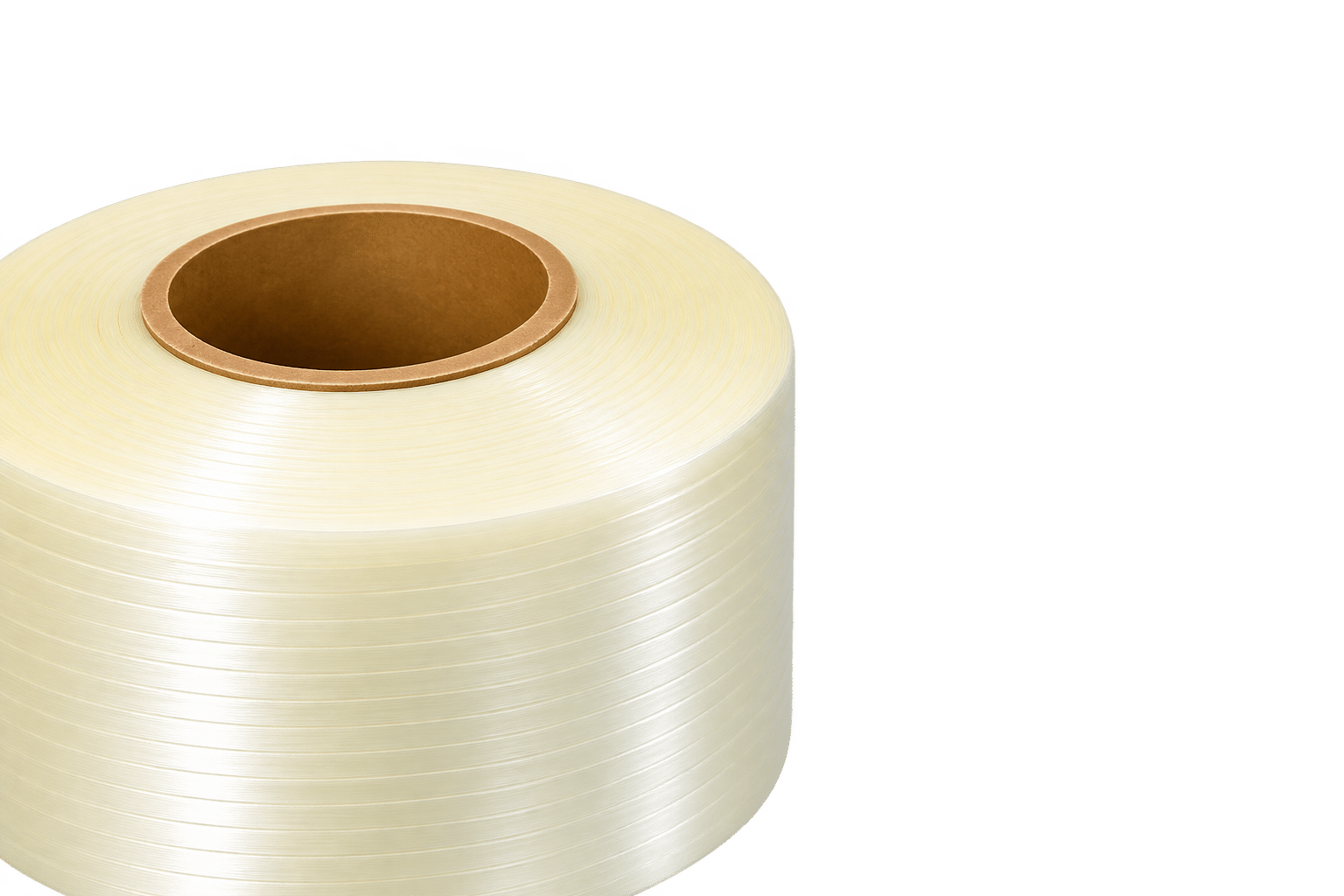
Bale Strapping
Durable strapping for securing compressed recyclable materials.
9mm Bale Strapping
13mm Bale Strapping
Baling Wire
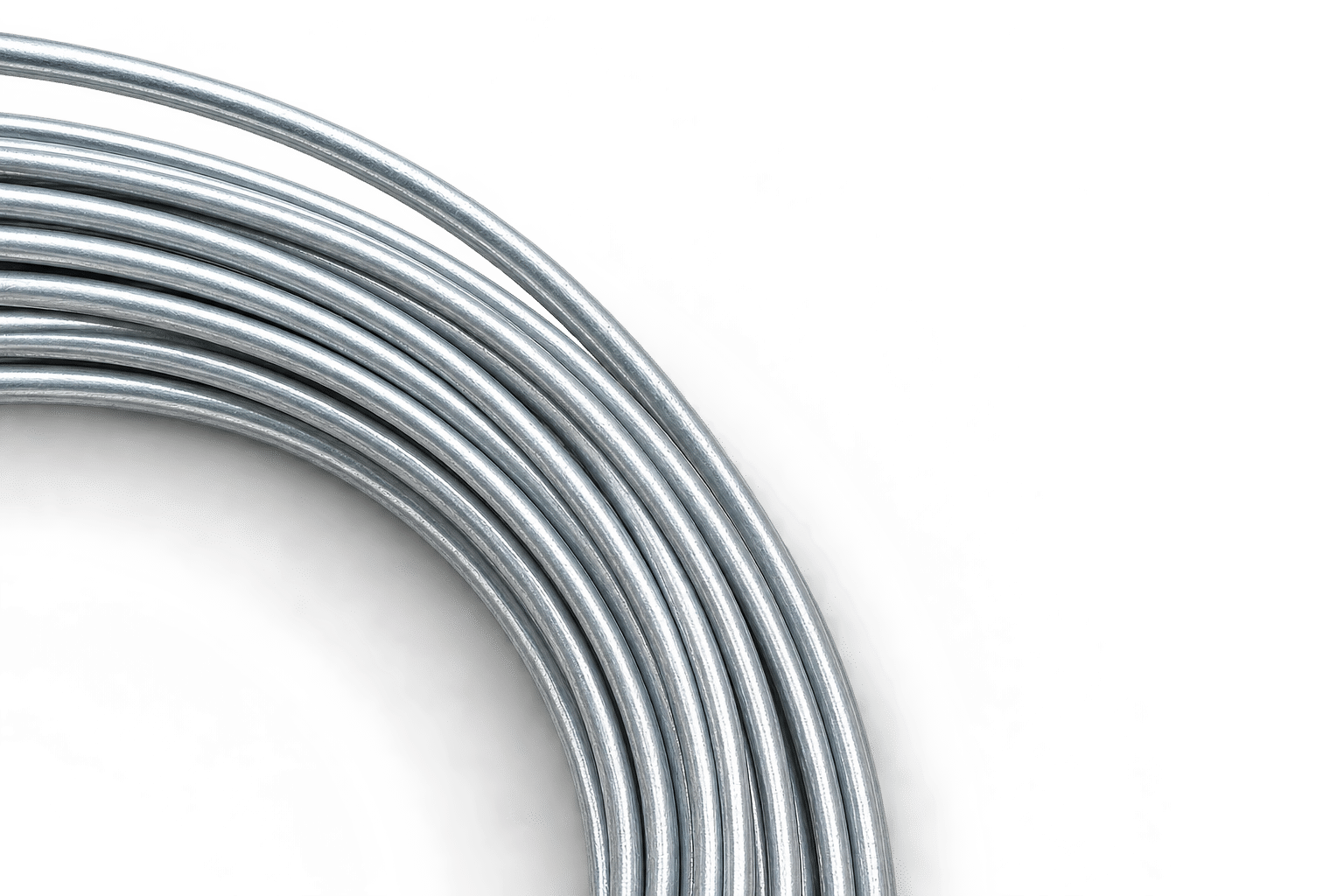
Cut and loop baling wire for secure, reliable bales.
3mm × 4.5m Baling Wire
3mm × 17ft Baling Wire
Product suitability depends on your baler model and requirements. Our team can help confirm the correct consumables before ordering.

Quality Consumables
Reliable bale strapping and baling wire
Fast Supply
Next Day Delivery

Right for Your Baler
Options for a range of baler models
Not Sure Which Consumables You Need?
Our team can help you identify suitable consumables for your equipment. Get in touch to discuss your requirements and request a quote.
Speak to Our Team →Frequently Asked Questions
Find answers to common questions about bale strapping, baling wire and choosing suitable consumables for your equipment.
The correct baling wire depends on your baler’s make and model, tying system, bale size and the materials being compressed. Important specifications include wire diameter, length, tensile strength and whether the machine requires cut-and-loop wire or another wire format. Flame UK supplies baling wire in 3mm × 4.5m and 3mm × 17ft options and can help businesses check compatibility before ordering.
Baling wire is typically made from steel, while bale strapping is generally manufactured from synthetic materials such as polypropylene or polyester. Both are used to secure compressed bales of recyclable materials, including cardboard and certain plastics. The correct choice depends on the baler’s tying system, bale weight and manufacturer specifications.
Baling wire thickness is measured by its diameter, usually in millimetres. The correct thickness depends on your baler’s specifications, tying mechanism and the weight and density of the bales being produced. Flame UK offers 3mm baling wire, but compatibility should always be confirmed before purchasing. Thicker wire is not automatically more suitable, as using an incorrect diameter can cause tying difficulties or equipment problems.
Galvanised baling wire has a protective zinc coating that helps resist corrosion, making it useful where additional protection against moisture is required. Black annealed baling wire is heat-treated to improve flexibility and is commonly used in baling applications requiring pliable wire. Both can be suitable for securing recyclable materials, but the correct choice depends on the equipment, operating environment and required wire specifications.
The correct bale strapping for cardboard depends on the baler model, bale weight and required breaking strain. Flame UK supplies 9mm bale strapping with a specified 250kg breaking strain and 13mm bale strapping with a specified 400kg breaking strain. Both options have a 63mm core diameter. Businesses should check their equipment manufacturer’s recommendations before selecting a product.
The cost of baling wire in the UK varies depending on wire diameter, length, finish, pack weight and order quantity. Delivery requirements can also affect the overall price. Businesses purchasing larger quantities may be able to achieve a lower cost per unit. For an accurate quotation, provide the required wire specification, estimated usage and delivery location.
Baling wire and bale strapping should be stored in a clean, dry and secure location, protected from moisture, excessive heat, physical damage and vehicle movements. Keep products in their original packaging where practical and store coiled wire securely to prevent movement or unravelling. Heavy bundles should be handled and stacked safely, while strapping should be kept away from conditions that could affect its strength or performance.
Baling wire can break because of incorrect wire specifications, excessive tension, damaged tying components or problems with the baler’s operation. Wire that is unsuitable for the bale weight or tying system may also fail during use. Repeated breakages should be investigated rather than simply replacing the wire with a thicker alternative. Check the consumable specifications and arrange an equipment inspection where necessary.
Yes, businesses operating multiple sites may be able to standardise baler consumables where equipment specifications allow. Using compatible wire or strapping across several locations can simplify ordering, stock management and purchasing administration. However, different baler models may require different consumables. A review of the equipment at each site can identify opportunities to consolidate purchasing without compromising compatibility.
Businesses can reduce cardboard baler operating costs by using compatible consumables, maintaining equipment regularly and producing consistently secured bales. Reviewing consumable usage, preventing wire or strapping waste and planning orders can help control expenditure. Efficient baling can also reduce storage requirements and collection frequency, depending on the site and waste volumes. Regular servicing and operator training can help prevent avoidable downtime.