


Could your business turn polystyrene waste into a revenue opportunity? Discover how specialist EPS recycling and compaction equipment can reduce...
Read More
DRS 2027: Does Your Business Need a Reverse Vending Machine?
The UK’s Deposit Return Scheme (DRS) has reached another important milestone, with the first Reverse Vending Machines (RVMs) officially certified ahead of the scheme’s launch on 1 October 2027.
For retailers, the announcement brings greater certainty when considering equipment. However, it also raises an important question for businesses across the UK: Does your business actually need a Reverse Vending Machine?
The answer depends on more than the size of your premises. A supermarket, manufacturing facility and warehouse with a staff canteen could all have very different responsibilities under DRS.
With new equipment options confirmed and retailer exemptions becoming clearer, understanding what is required could help businesses avoid unnecessary investment.
At Flame UK, we offer free site audits to help businesses assess their existing waste management arrangements, identify how DRS could affect their operations and explore practical ways to prepare.
In this Article
- What the latest certified RVM announcement means for businesses
- Which retailers are required to operate return points
- How building size and retail sales area affect DRS obligations
- What DRS means for warehouses, manufacturers and staff canteens
- Whether manual returns or RVMs are more suitable
- How a free Flame UK site audit can help your business prepare
54 Reverse Vending Machines Certified for DRS 2027
On 29 October 2026, Exchange for Change announced the first official list of certified Reverse Vending Machines for the UK’s Deposit Return Scheme.
The initial list includes 54 machine models from seven manufacturers:
- TOMRA
- RVM Systems
- EcoVend
- Recyclever
- Envipco
- Sielaff
- Ropet
Each machine has undergone independent testing against 77 technical and operational requirements, including container identification, fraud prevention, accessibility, connectivity and secure transaction data.
Certification confirms that equipment meets the technical standards needed to operate within the scheme. However, it doesn’t mean every model offers identical capacity, features or suitability for different retail environments.
Alongside the announcement, Exchange for Change published official artwork guidance covering RVM branding, signage and customer instructions.
Businesses considering equipment should review the official certified RVM announcement and approved machine list before making purchasing or leasing decisions.
Further machines may be added as certification continues.
The key takeaway? Businesses now have clearer equipment options, but determining whether a return point is required should come before making any purchasing decisions.
Which Businesses Are Legally Required to Operate a DRS Return Point?
One of the most common misconceptions surrounding DRS is that every business selling bottled or canned drinks must install a Reverse Vending Machine.
This isn’t the case.
Under the scheme covering England, Scotland and Northern Ireland, public return-point obligations primarily apply to grocery retailers, including supermarkets, convenience stores and newsagents.
Other businesses may have responsibilities relating to eligible drinks sales without being required to operate public return points.
Importantly, operating a return point doesn’t automatically mean installing an RVM. Manual collection methods may also be appropriate.
Does the Size of Your Business Matter?
Retail sales area plays an important role in determining whether a grocery retailer must operate a return point.
The current exemption arrangements include:
- Urban retailers under 100m²: Automatically exempt from operating a return point.
- Urban retailers between 100m² and 199m²: Eligible to apply for a size-based exemption.
- Rural retailers under 200m²: Eligible to apply for a size-based exemption.
- Larger grocery retailers: Generally expected to operate return points, although other exemptions may be available.
These thresholds relate to retail sales area, not the entire building, warehouse or organisation.
For example, a convenience store occupying 250m² may face different obligations from a manufacturing facility covering several thousand square metres.
Other exemption considerations include proximity to alternative return points, accessibility, heritage restrictions and access to utilities.
Businesses requiring an exemption must follow the appropriate application process. Eligibility doesn’t automatically guarantee approval.
Exchange for Change has published further information on retailer exemptions and financial support.
What About Manufacturers, Warehouses and Staff Canteens?
For manufacturers and warehouse operators, DRS raises a different set of questions.
Consider a large manufacturing facility employing 500 people, with a staff canteen selling bottled water, canned soft drinks and energy drinks.
Does the business need to install an RVM because of its building size or workforce?
Generally, no.
A manufacturing facility isn’t automatically required to operate a public return point simply because it employs hundreds of people or has a staff canteen.
However, the way drinks are sold, consumed and collected could create other responsibilities.
Scenario 1: Drinks Consumed Within a Staff Canteen
Where eligible drinks are sold for consumption on the premises, qualifying hospitality-style businesses may be able to operate under closed-loop arrangements.
These arrangements allow containers to be retained and managed through the scheme, rather than requiring customers to take them to public return points.
Specific conditions apply, including how containers are collected, stored and returned.
Scenario 2: Drinks Taken Into the Warehouse
What happens if an employee purchases bottled water from the canteen and takes it back to their workstation?
This could create different considerations from drinks consumed within the designated canteen area.
The applicable rules depend on how the premises and sales arrangements are defined.
Businesses shouldn’t assume that an entire manufacturing facility automatically qualifies as a closed-loop environment simply because drinks are purchased on-site.
Scenario 3: Workplace Vending Machines
Many industrial facilities provide drinks through vending machines, often managed by external suppliers.
Although these machines don’t generally create a requirement to operate a public return point, eligible drinks sales may still be subject to the refundable deposit.
Businesses should establish who operates their vending machines, how deposits will be charged and who is responsible for managing any separately collected containers.
Not sure how these scenarios apply to your workplace?
A free Flame UK site audit can help assess existing waste arrangements, identify where drinks containers are currently disposed of and highlight practical changes that may be worth considering before DRS launches.
Reverse Vending Machine or Manual Returns: Which Is More Suitable?
For retailers required to operate return points, choosing the right collection method is an important operational decision.
Reverse Vending Machines automatically identify eligible containers, process returns and support deposit refunds.
Manual return points involve staff accepting eligible containers and managing the return process without automated equipment.
Neither approach is automatically suitable for every business.
When Might an RVM Be Appropriate?
Automated returns may be beneficial for retailers expecting significant numbers of containers.
Businesses should consider:
- Expected daily and weekly return volumes
- Available customer-facing and storage space
- Electrical and connectivity requirements
- Equipment capacity and processing speed
- Maintenance and servicing arrangements
- Installation costs and ongoing operating expenses
When Could Manual Returns Be More Practical?
Manual returns may be worth considering where return volumes are relatively low or available space is limited.
However, retailers must still consider staff availability, container storage, customer accessibility and the practicalities of handling refunds.
What Financial Support Is Available?
Exchange for Change has announced a £60 million grant programme to support eligible small independent retailers investing in RVMs.
Qualifying sites may receive £6,000 over three years, subject to scheme conditions.
Return Point Operators will also receive handling fees to contribute towards operating costs.
The announced rates include:
- Manual returns: 3p per eligible container
- Automated returns: 5p per container for the first 225,000 annual returns
- Automated returns above 225,000 annually: 1.3p per container
These fees are separate from the refundable 20p consumer deposit.
Retailers should assess the full commercial implications before deciding which approach is appropriate.
What Could DRS Mean for Existing Workplace Waste Collections?
Even businesses without public return-point obligations may notice changes to their waste streams.
Currently, many workplaces dispose of plastic drinks bottles and metal cans through dry mixed recycling collections.
Once DRS launches, eligible containers returned through the scheme will enter a separate collection system.
This could reduce the number of drinks containers entering existing commercial recycling bins, particularly at locations where employees regularly purchase eligible drinks.
For manufacturers, warehouses and multi-site organisations, the main considerations may include:
- Reviewing whether existing recycling collections remain appropriate
- Identifying suitable storage areas for separately collected DRS containers
- Providing clear signage to prevent contamination
- Understanding how DRS materials affect recycling reports
- Establishing responsibilities between site operators, canteen providers and waste contractors
However, not every container discarded at a workplace will automatically enter the DRS system. The impact depends on how the site operates and whether containers are collected through an approved return route.
Businesses looking for a broader explanation can read our existing guide to the UK Deposit Return Scheme and preparing business waste collections.
How Can a Free Flame UK Site Audit Help You Prepare for DRS?
With the first certified RVMs announced, businesses now have more information to support their preparations.
However, purchasing equipment shouldn’t be the starting point. Understanding how DRS could affect your existing operations should come first.
At Flame UK, we offer free site audits to help businesses assess their current waste management arrangements and identify practical opportunities to prepare for changes.
During a site audit, our team can review:
- Existing waste streams: Understanding where plastic bottles, drinks cans and other recyclable materials are currently disposed of.
- Waste segregation: Identifying opportunities to improve recycling arrangements and reduce contamination.
- Container requirements: Assessing whether existing bins and waste storage arrangements remain suitable.
- Collection frequencies: Reviewing whether changes to recycling volumes could affect existing collection schedules.
- Operational considerations: Discussing how staff canteens, vending machines and workplace arrangements could influence waste management requirements.
- Potential improvements: Identifying practical changes that could help businesses prepare for DRS while maintaining efficient waste operations.
Our team can also help businesses understand where further guidance may be needed on specific DRS obligations.
Whether you manage a single manufacturing facility or multiple commercial locations, a site audit provides an opportunity to assess your current arrangements before making unnecessary changes.
Through our commercial waste management services, we support businesses with waste collection coordination, segregation advice, reporting and ongoing operational improvements.
A free site audit is a practical first step towards understanding how DRS could affect your business and what you may need to do next.
DRS Preparation Starts With Understanding Your Business
The certification of the first 54 Reverse Vending Machines is an important step towards the October 2027 launch of DRS.
However, the announcement doesn’t mean every business needs to purchase equipment.
For grocery retailers, understanding return-point obligations and selecting suitable collection methods will be essential.
For manufacturers, warehouses and businesses with staff canteens, the focus may instead be on drinks sales, workplace arrangements and how containers are managed.
The most important question isn’t simply whether your business needs an RVM. It’s understanding how DRS applies to your operations and what changes are genuinely necessary.
Book Your Free DRS Waste Management Site Audit
Not sure how the Deposit Return Scheme could affect your business?
Flame UK offers free site audits to review your existing waste management arrangements, identify potential changes and help you plan practical next steps ahead of October 2027.
Whether you’re concerned about waste segregation, storage, collection frequencies or the impact of DRS on your workplace, our team can help you assess your current situation.
Get in touch to arrange your free site audit.
Email: businessdevelopment@flameuk.co.uk
Phone: 0115 896 5460
Useful Links
Recent Blog Posts
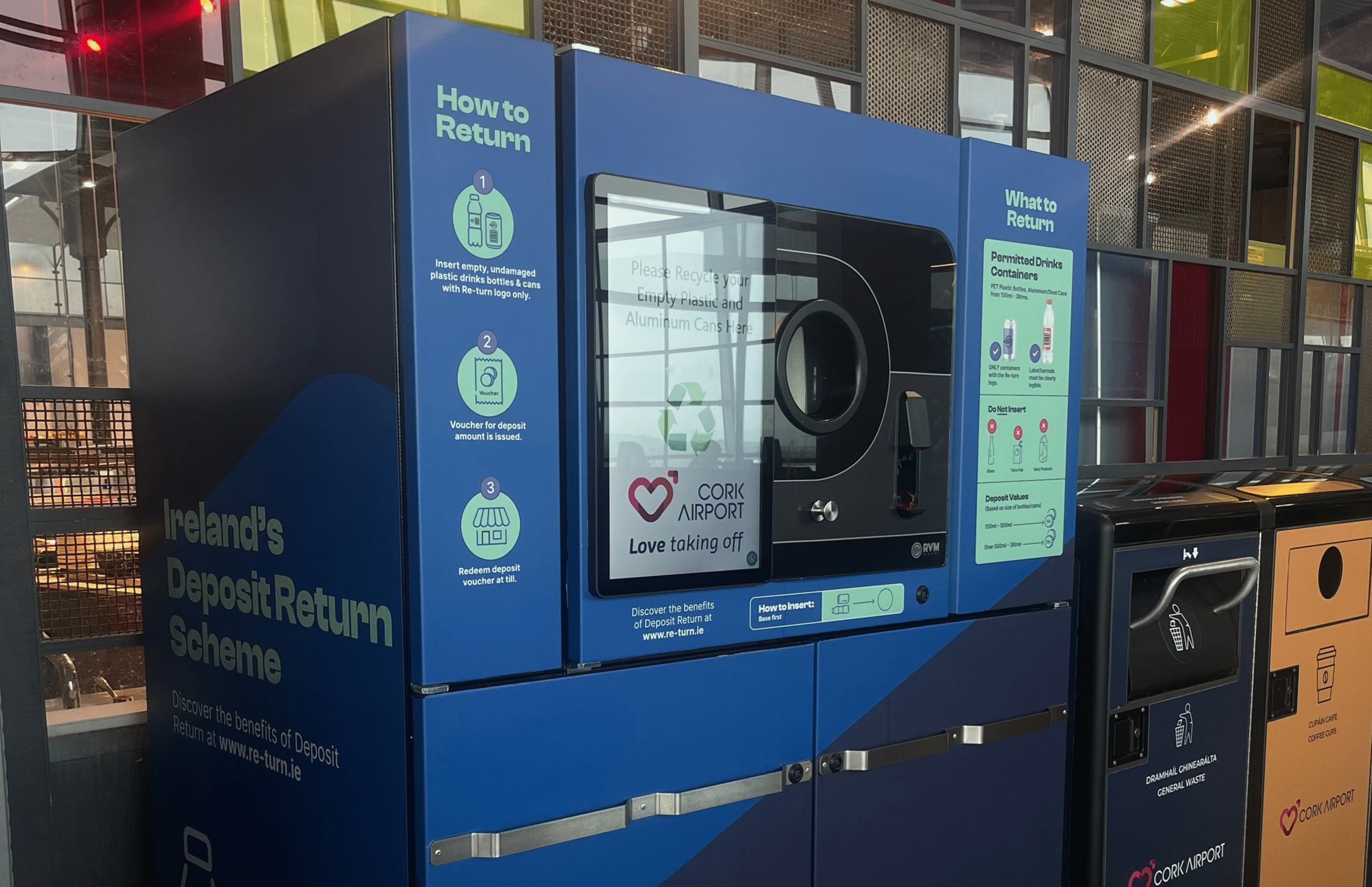
DRS 2027: Does Your Business Need a Reverse Vending Machine?
The UK's Deposit Return Scheme (DRS) has reached another milestone, with the first 54 Reverse Vending Machines officially certified ahead...
Read More
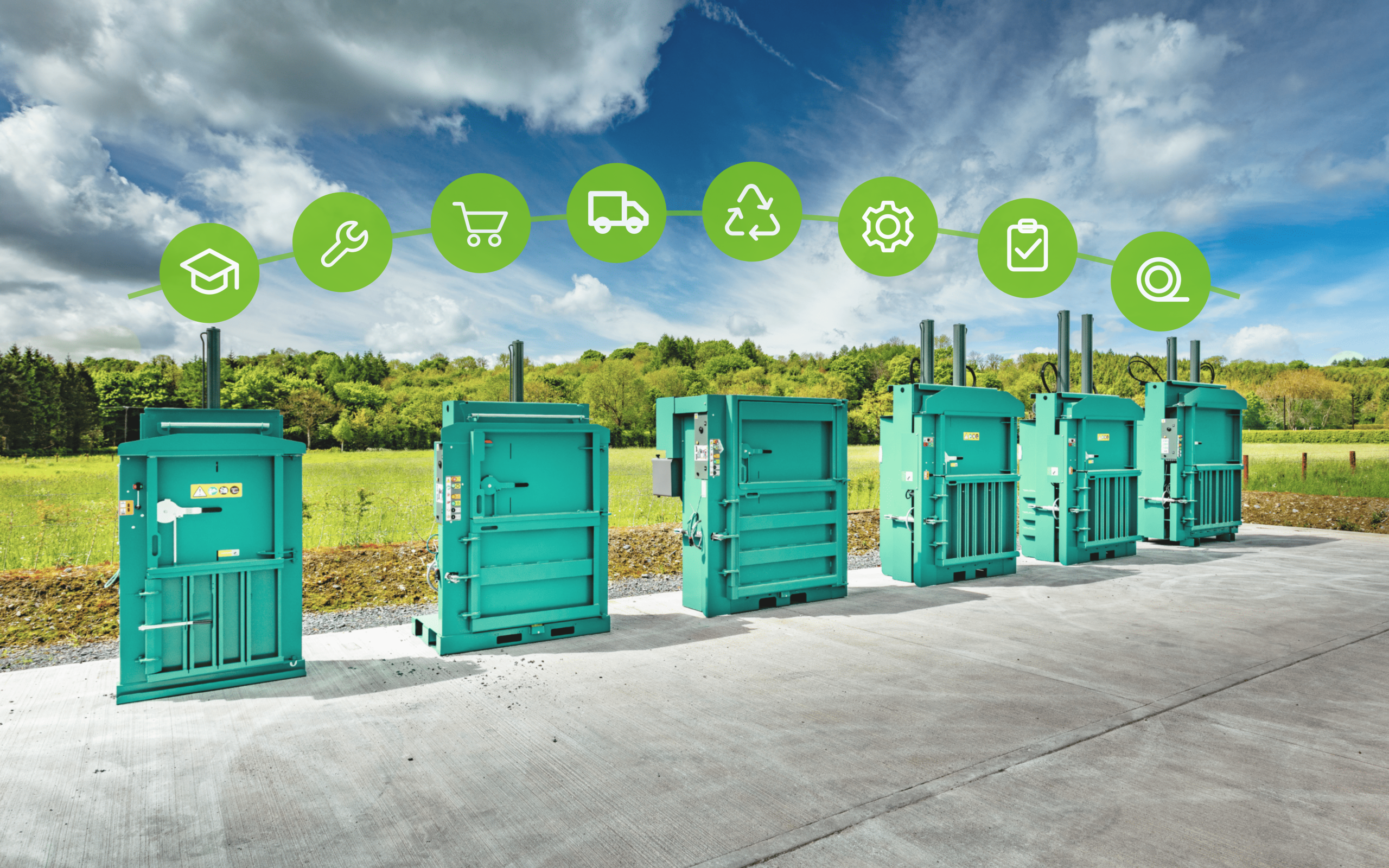
More Than Just Selling a Baler: Complete Baler Solutions from Flame UK
Discover Flame UK's complete commercial waste baler solutions, including sales, hire, installation, servicing, emergency repairs, operator training and consumables. Learn...
Read More
Smarter Cardboard Waste Management: How Balers and Roto Compactors Can Help
Discover how cardboard balers and roto compactors can help businesses reduce waste volumes, lower collection costs, save space and improve...
Read More
Waste Management in 2027: What Businesses Need to Prepare For
Discover the key waste management changes coming in 2027, including Simpler Recycling, Digital Waste Tracking and the Deposit Return Scheme,...
Read More
Digital Waste Tracking Is Here: What Businesses Need to Know
Digital Waste Tracking is now in effect. Discover what Phase 1 means for businesses, who is affected and what happens...
Read More
Frequently
Asked Questions
Clear answers to common questions about the UK’s Deposit Return Scheme (DRS), including Reverse Vending Machine requirements, retailer exemptions, manual return points and how businesses can prepare for October 2027.
Does every UK business need a Reverse Vending Machine?
No. Businesses are not universally required to install Reverse Vending Machines. Public return-point obligations primarily apply to grocery retailers, subject to exemptions. Manual returns may also be suitable.
What size shop is exempt from DRS return-point requirements?
Urban grocery retailers under 100m² of retail sales area are automatically exempt. Urban retailers between 100m² and 199m², and rural retailers under 200m², may apply for size-based exemptions. Other exemption criteria may also apply.
Does a manufacturing facility with a staff canteen need an RVM?
Generally, no. A manufacturing facility isn’t automatically required to operate a public return point because it has a staff canteen. However, drinks sales and consumption arrangements may create other DRS responsibilities.
What Reverse Vending Machines have been certified for DRS 2027?
In October 2026, Exchange for Change announced the first 54 certified RVM models from seven manufacturers: TOMRA, RVM Systems, EcoVend, Recyclever, Envipco, Sielaff and Ropet. Additional machines may be certified before launch.
Can retailers operate manual DRS return points instead of installing an RVM?
Yes. Where permitted under the scheme’s requirements, retailers can operate manual return points. The appropriate method depends on expected return volumes, available space, staffing and operational requirements.
Can Flame UK help my business prepare for DRS?
Yes. Flame UK offers free site audits to assess existing waste streams, segregation, storage and collection arrangements. Our team can help identify how DRS could affect your waste management operations and recommend practical steps to prepare ahead of October 2027.