




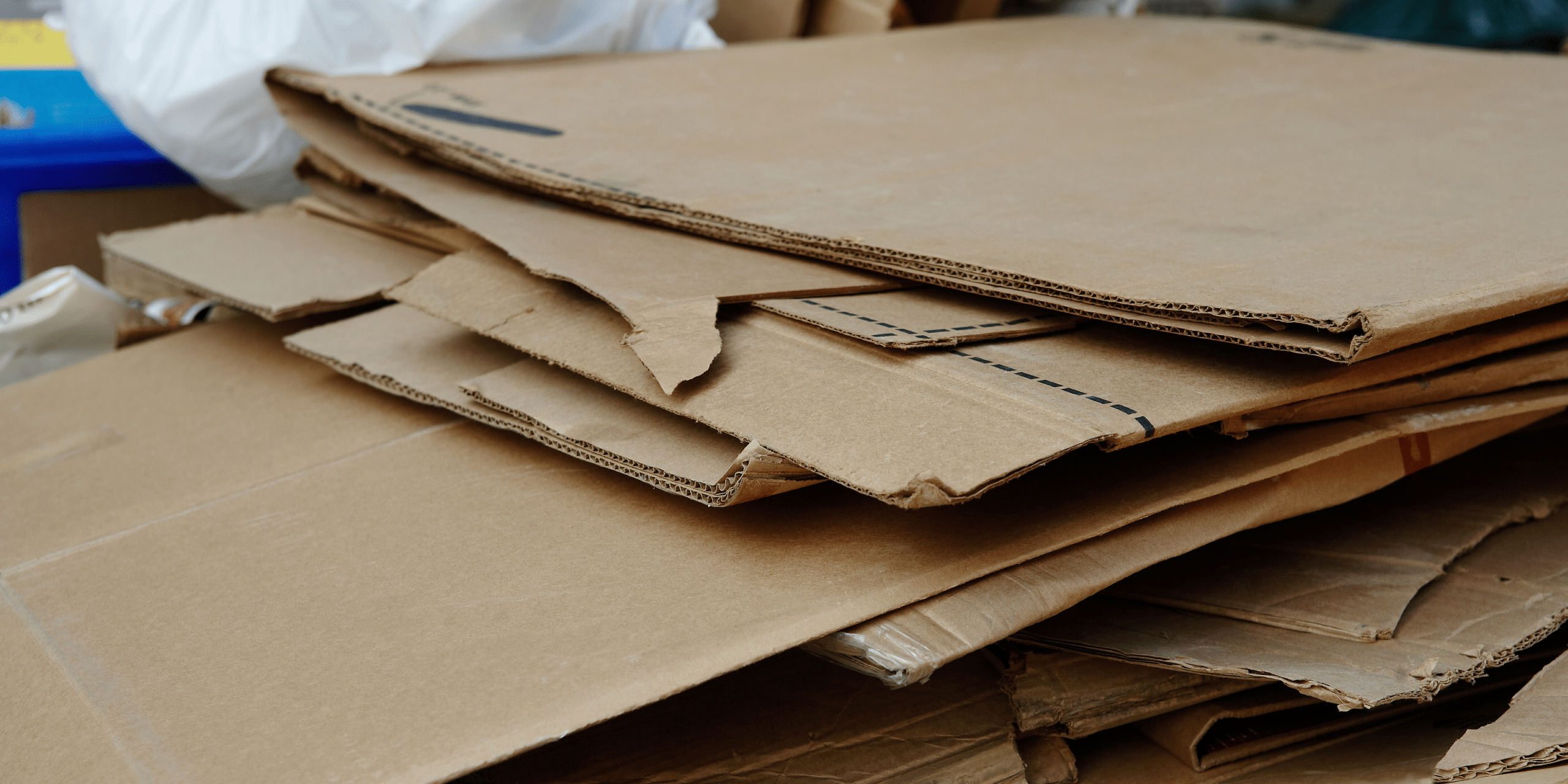
Discover how cardboard balers and roto compactors can help businesses reduce waste volumes, lower collection costs, save space and improve...
Read More
Smarter Cardboard Waste Management: How Balers and Roto Compactors Can Help
Cardboard is one of the most common waste streams produced by UK businesses.
From deliveries arriving at warehouses to packaging generated by retailers, manufacturers and hospitality businesses, cardboard can quickly build up. And while it is highly recyclable, managing large volumes of loose cardboard can take up valuable space, increase collection requirements and create unnecessary work for employees.
The good news is that businesses do not necessarily need to accept overflowing bins and frequent collections as part of the process.
With the right cardboard waste management setup, equipment such as cardboard balers and roto compactors can significantly reduce the volume of waste stored on site and make recycling easier to manage.
In this Article
- Why effective cardboard waste management matters
- How cardboard balers work
- What a roto compactor does
- The benefits of compacting cardboard waste
- Cardboard baler vs roto compactor
- How to assess your current cardboard waste setup
- How Flame UK can help
Why Does Cardboard Waste Management Matter?
Cardboard might seem like a relatively straightforward waste stream, but inefficient management can have a bigger impact on your operation than you might expect.
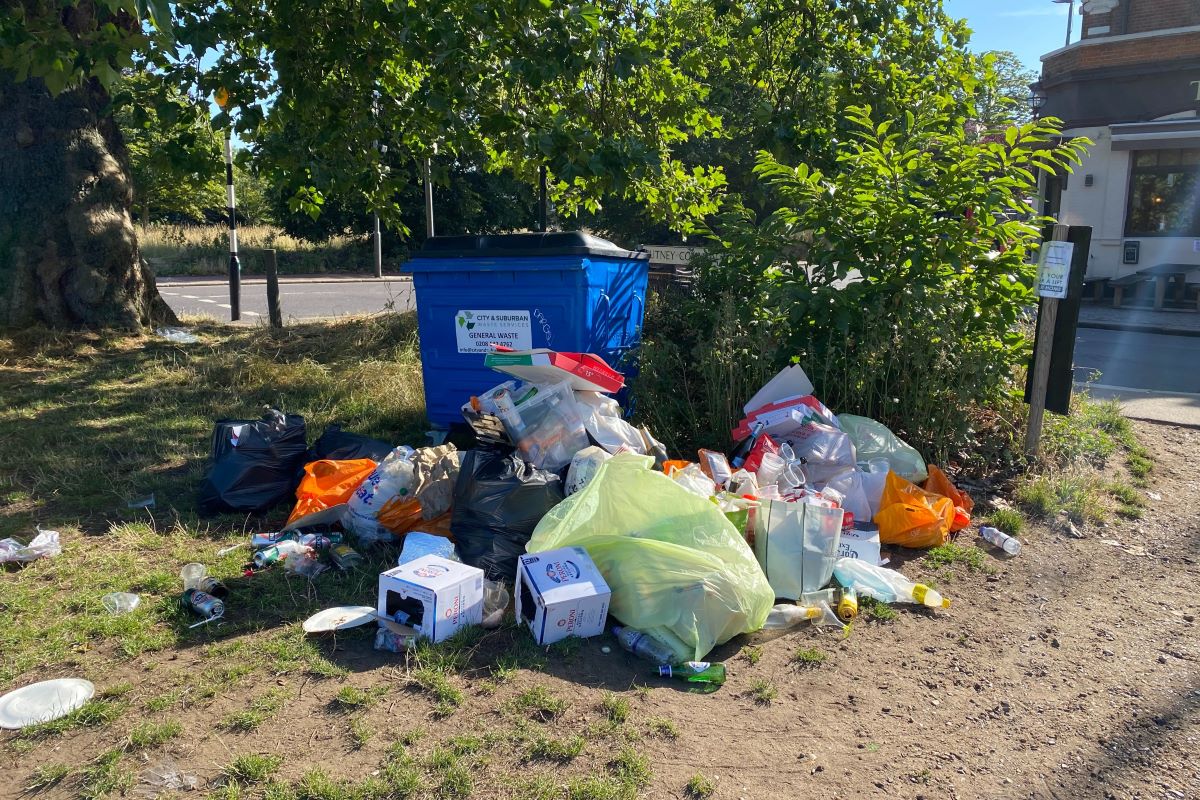
Loose cardboard is bulky. Boxes can quickly fill bins, skips and waste storage areas, even though much of that volume is simply empty space.
This can lead to:
- More frequent waste collections
- Higher waste management costs
- Overflowing bins and untidy waste areas
- Valuable operational space being used for waste storage
- Additional time spent flattening and moving boxes
- Increased vehicle movements associated with collections
- Recyclable cardboard being mixed with other waste streams
For businesses producing cardboard regularly, changing how that material is handled before collection can make the overall waste process considerably more efficient.
What Is a Cardboard Baler?
A cardboard baler is a piece of waste equipment designed to compress loose cardboard into dense, manageable bales.
Instead of filling multiple bins or containers with loose boxes, cardboard is placed into the baler and compressed. Once enough material has accumulated, the finished bale can be tied, removed and stored ready for collection and recycling.
This can dramatically reduce the amount of space cardboard occupies.
For businesses producing moderate to high volumes of cardboard, such as warehouses, distribution centres, manufacturers and retailers, a baler can become an important part of the site’s waste management process.
What Are the Benefits of a Cardboard Baler?
Introducing a baler can provide several operational and environmental benefits.
Reduce Cardboard Waste Volume
One of the biggest advantages is volume reduction.
Compressing cardboard into dense bales means significantly more material can be stored within the same footprint compared with loose cardboard.
This can free up valuable space within waste compounds, warehouses and goods-in areas.
Reduce Collection Requirements
If your bins or skips are regularly being collected because bulky cardboard has filled them, reducing the volume at source could help decrease the number of collections required.
Fewer collections can help reduce both waste management costs and unnecessary vehicle movements.
Keep Cardboard Separate for Recycling
Separating cardboard from general waste makes it easier to ensure the material is sent for recycling.
It can also help businesses improve waste segregation and gain a clearer understanding of how much cardboard they generate.
Create a Tidier Waste Area
Loose cardboard can quickly become difficult to manage, particularly at busy sites.
Baling provides a structured way to store the material until it is ready for collection, helping to create cleaner and more organised waste areas.
Potentially Generate a Rebate
Depending on the quality, quantity and market conditions, baled cardboard may have a recyclable commodity value.
For businesses producing sufficient volumes, this means cardboard can potentially move from being purely a waste cost to a material capable of generating a rebate.
What Is a Roto Compactor?
A baler is not the only option for businesses looking to reduce cardboard waste volumes.
A roto compactor continuously compacts materials such as cardboard into an internal container or bag.
Rather than creating individual bales, the machine uses a rotating drum to crush and compact material as it is added.
This can make roto compactors particularly useful for businesses looking for a straightforward, contained waste compaction system.
They may also be suitable for sites where space is limited or where the volumes generated do not justify a traditional baler setup.
What Are the Benefits of a Roto Compactor?
Roto compactors can provide businesses with a simple way to control bulky waste at source.
Benefits can include:
- Reduced waste volumes
- Fewer bins or collections
- Simple day-to-day operation
- Cleaner and more contained waste storage
- Reduced manual handling
- Efficient use of limited space
The right option, however, depends on the individual site.
Cardboard Baler vs Roto Compactor: Which Do You Need?
There is no single piece of waste equipment that is right for every business.
A cardboard baler may be more suitable if you generate significant quantities of clean cardboard and want to produce dense, stackable bales for recycling.
A roto compactor may be more appropriate if you want continuous compaction, have limited space or require a simple solution for managing moderate volumes of material.
Before recommending equipment, it is important to consider factors including:
- The amount of cardboard your business generates
- How frequently your waste is currently collected
- Your existing collection costs
- The space available on site
- How the equipment will be loaded and emptied
- Staff requirements
- The types of material being processed
- Your recycling and sustainability objectives
That is why equipment should form part of a wider waste management strategy rather than being considered in isolation.
Could Your Current Cardboard Waste Setup Be Costing You More?
A useful starting point is to look at how cardboard currently moves through your business.
Ask yourself:
How many bins or skips are you filling with cardboard each week?
If they are predominantly filled with loose boxes, there may be an opportunity to significantly reduce the volume.
How often is your cardboard being collected?
Frequent collections can indicate that the storage method, rather than the actual weight of material, is driving your collection schedule.
How much space is cardboard taking up?
Waste storage can compete with valuable operational, warehouse or yard space.
Is cardboard being kept separate?
Clean, segregated cardboard is easier to recycle than material that has been mixed with general waste or contaminated.
Could you reduce the number of collections?
If compaction allows more material to be stored between collections, there may be an opportunity to reduce both costs and transport movements.
Making Waste Equipment Part of Your Wider Waste Strategy
Waste equipment works best when it is matched to the waste being generated and integrated into the wider collection process.
At Flame UK, we can assess your existing waste setup to understand where equipment could improve efficiency.
This can include reviewing waste volumes, container requirements, collection frequencies, available space and current costs before recommending an appropriate solution.
Our approach can cover:
1. Site assessment and waste analysis
We review how waste is currently generated, stored and collected.
2. Equipment recommendation
We identify suitable balers, compactors or other waste equipment based on your operational requirements.
3. Installation and training
The equipment can be installed as part of the wider waste solution, with guidance provided to help teams use it effectively.
4. Collection and recycling
We can integrate the resulting material into your wider waste collection and recycling service.
5. Ongoing review
Waste data and collection requirements can be reviewed to identify further opportunities for optimisation.
This allows the equipment to become part of a complete Total Waste Management strategy rather than simply another machine on site.
Supporting a More Circular Approach to Cardboard
Cardboard is a valuable recyclable material when it is correctly segregated and managed.
Keeping it separate and ensuring it reaches an appropriate recycling route helps retain the material within the circular economy, where it can be recovered and used to manufacture new products.
Reducing collection requirements can also help decrease unnecessary waste transport movements.
For businesses looking to improve their environmental performance, effective cardboard waste management can therefore support both operational efficiency and wider sustainability objectives.
Is It Time to Review Your Cardboard Waste Management?
If your business regularly deals with overflowing cardboard bins, frequent collections or large amounts of space being taken up by loose packaging, your current setup may have room for improvement.
A baler or roto compactor could help you reduce waste volumes, improve recycling and create a more efficient collection schedule.
But the biggest savings come from choosing equipment based on your actual waste volumes, collection requirements and site operations.
Flame UK can review your existing setup and identify whether waste equipment could help your business reduce collections, reclaim space and manage cardboard more effectively.
To discuss your requirements or arrange a waste equipment assessment, contact our team:
Call: 0115 784 9346
Email: wasteequipment@flameuk.co.uk
Visit: https://flameuk.co.uk/waste-equipment/
Useful Links
Recent Blog Posts
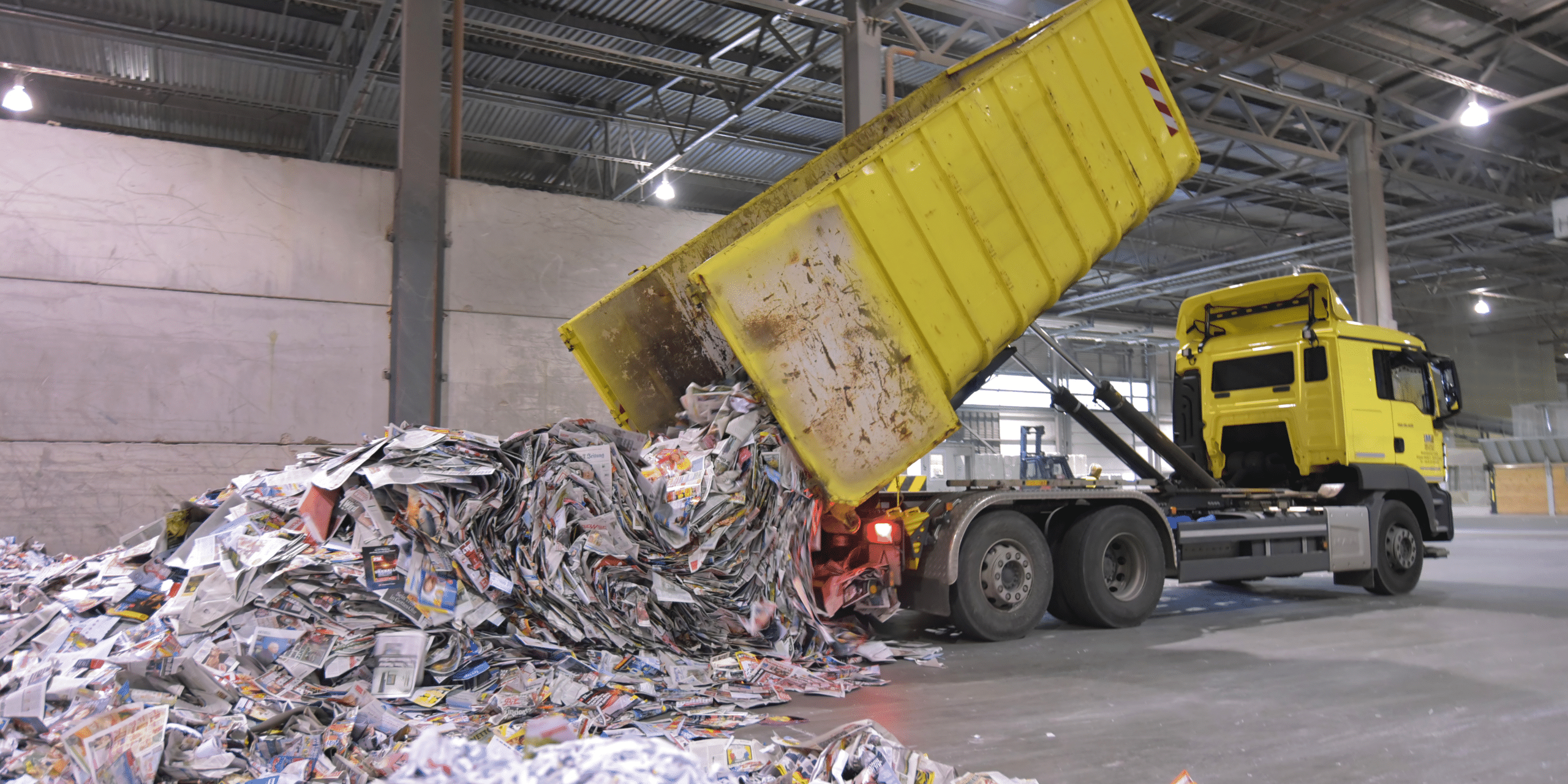
Waste Management in 2027: What Businesses Need to Prepare For
Discover the key waste management changes coming in 2027, including Simpler Recycling, Digital Waste Tracking and the Deposit Return Scheme,...
Read More
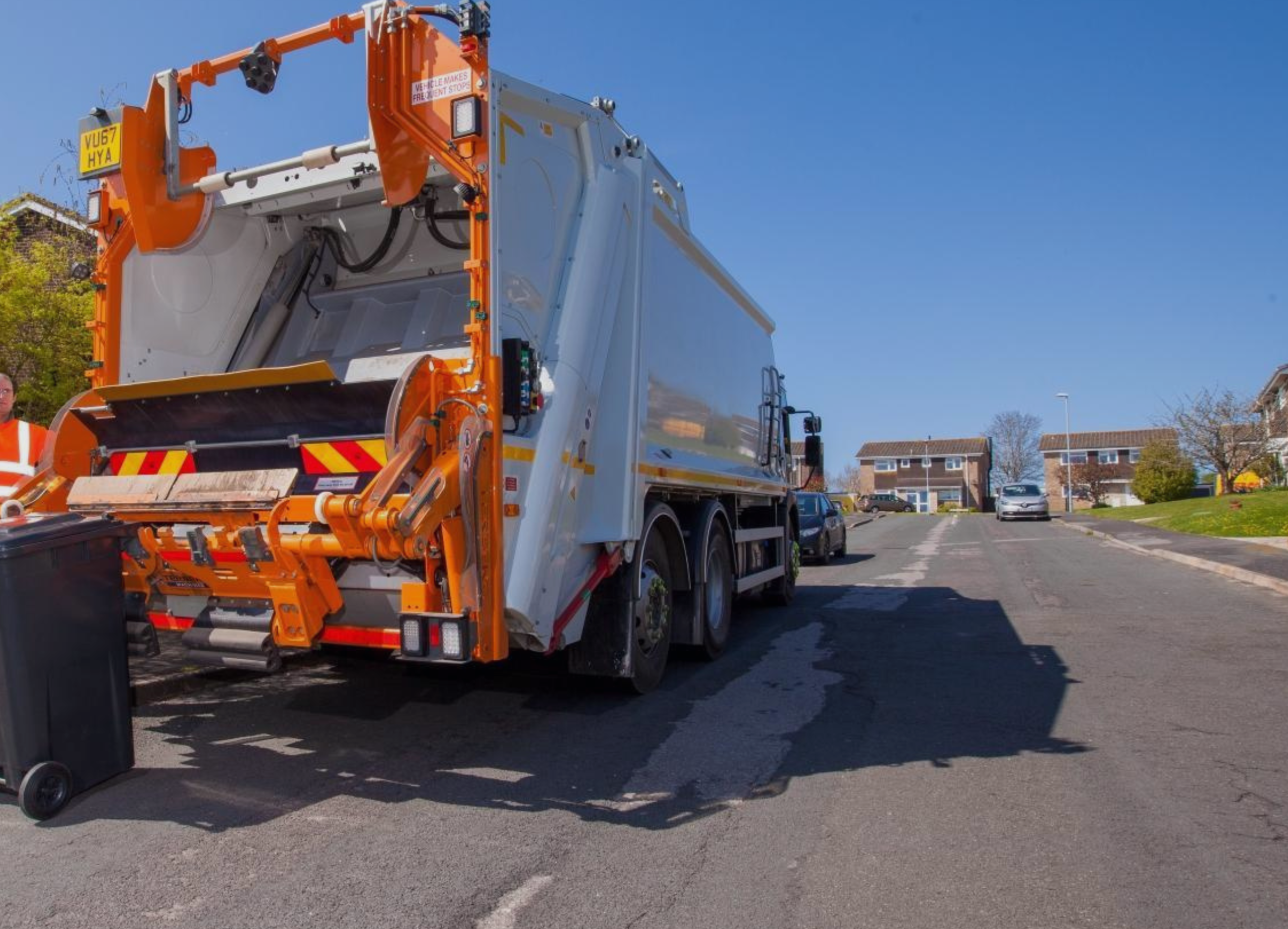
Digital Waste Tracking Is Here: What Businesses Need to Know
Digital Waste Tracking is now in effect. Discover what Phase 1 means for businesses, who is affected and what happens...
Read More
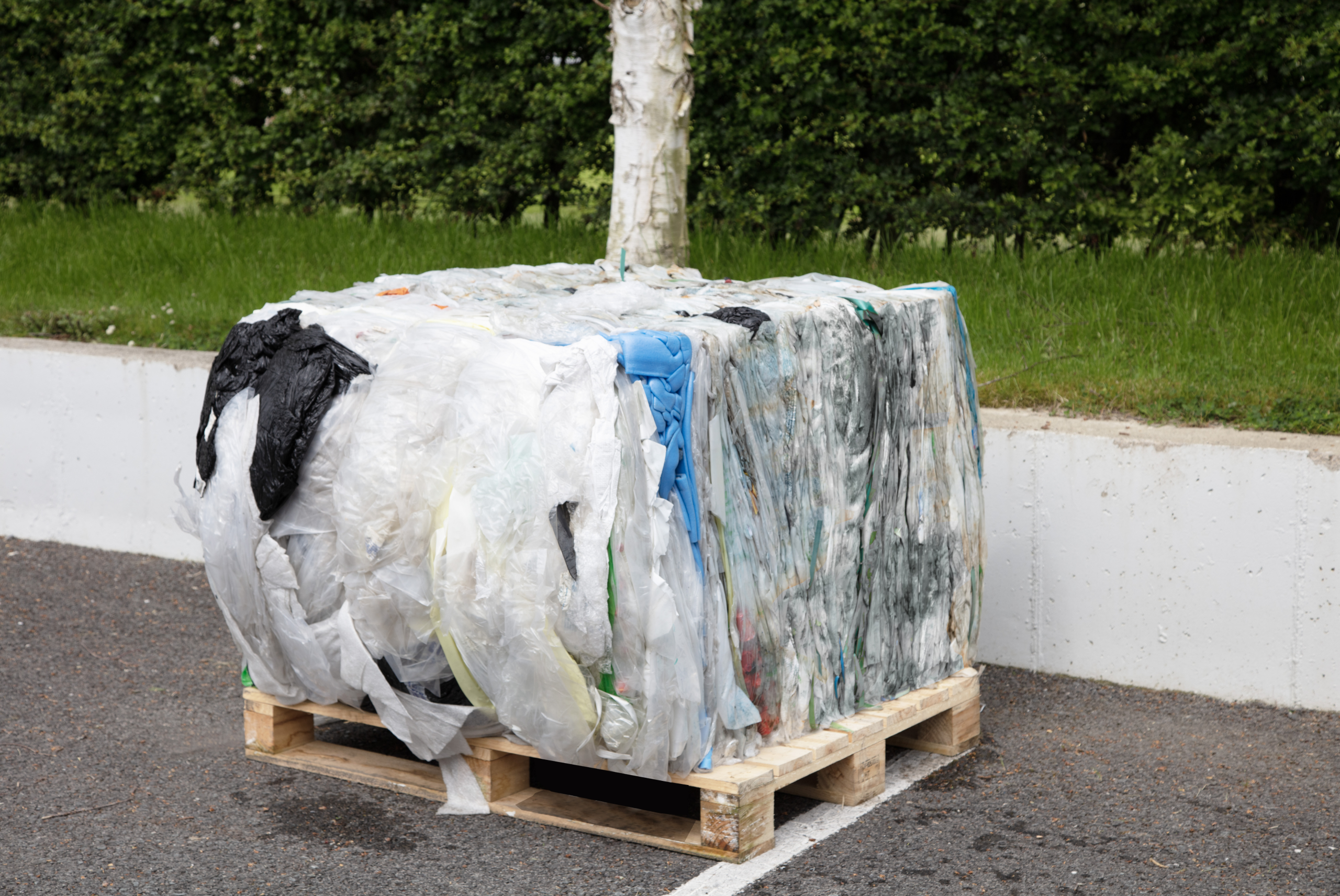
PRN Market Update 2026: Rising Prices, Evidence Shortages and the Impact on Business Waste Costs
PRN prices are rising sharply in 2026 as recycling evidence shortages and higher packaging recycling targets put pressure on the...
Read More

Whitemeadow Furniture Limited
Discover how Flame UK helped Whitemeadow Furniture simplify waste management, reduce general waste and increase recycling with one point of...
Read More
The Real Cost of Contaminated Recycling in 2026
Recycling contamination can lead to additional charges, rejected collections and poorer recycling performance. Discover what causes contaminated recycling, the warning...
Read More
Frequently
Asked Questions
Clear answers to common questions about cardboard waste management, including how balers and roto compactors work, their benefits, potential cost savings and how to choose the right equipment for your business.
What is the best way to manage large amounts of cardboard waste?
For businesses producing significant quantities of cardboard, separating it at source and using a cardboard baler or suitable compaction equipment can make storage and collection more efficient. The best solution will depend on your waste volumes, available space and collection requirements.
What does a cardboard baler do?
A cardboard baler compresses loose cardboard into dense bales. This reduces the amount of space the material occupies and makes it easier to store, transport and send for recycling.
Can a cardboard baler reduce waste collection costs?
Potentially, yes. By significantly reducing the volume occupied by loose cardboard, businesses may be able to reduce collection frequency. Actual savings will depend on the existing waste setup, volumes and collection arrangements.
What is the difference between a baler and a roto compactor?
A baler compresses cardboard into individual bales that can be stored and collected for recycling. A roto compactor continuously crushes material into an internal container or bag. Which option is most appropriate depends on factors such as waste volumes, available space and how the material needs to be handled.
Can businesses make money from cardboard waste?
In some circumstances, baled cardboard can have a commodity value and generate a rebate. This depends on factors including the volume and quality of the cardboard and current recycling market conditions.
How do I know what size cardboard baler my business needs?
The right baler depends on how much cardboard you generate, the available space, how often you want material collected and how the equipment will be used. A waste equipment assessment can help identify the most appropriate solution for your site.