


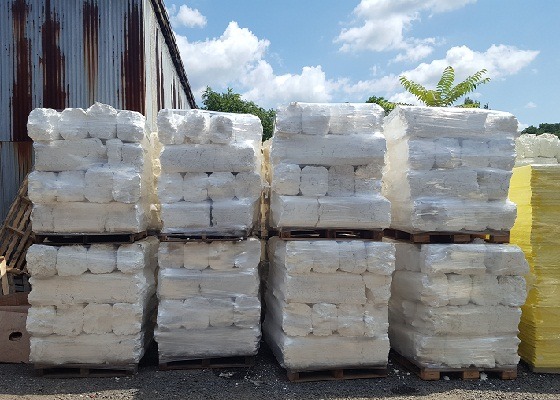
Could your business turn polystyrene waste into a revenue opportunity? Discover how specialist EPS recycling and compaction equipment can reduce...
Read More
Polystyrene Waste: Could Your Business Turn a Disposal Cost into a Revenue Opportunity?
Polystyrene is widely used across manufacturing, logistics, warehousing and distribution. From protecting electrical equipment to securing products during transportation, it plays an important role in commercial packaging. However, once unpacked, it can quickly become a costly waste management challenge.
Expanded polystyrene (EPS) is lightweight but extremely bulky. For businesses handling regular deliveries, this can mean overflowing containers, frequent waste collections and valuable warehouse space being occupied by discarded packaging.
Many businesses assume their only option is to dispose of polystyrene alongside general waste. However, clean, segregated EPS can be recycled through specialist facilities, and processing it correctly could even create opportunities to recover commercial value.
With the right equipment and recycling arrangements, businesses could transform a difficult waste stream into a more manageable and potentially valuable resource.
In this Article
- Why is polystyrene waste difficult for businesses to manage?
- Can polystyrene waste generate revenue?
- How can EPS compactors improve waste management?
- How does commercial polystyrene recycling work?
- What could polystyrene recycling save your business?
- Which businesses could benefit from EPS recycling?
- What are your business waste responsibilities?
- Could your polystyrene be worth more than you think?
Why Is Polystyrene Waste Difficult for Businesses to Manage?
Expanded polystyrene presents several challenges that make it different from other commercial waste streams.
High Volume, Low Weight
EPS consists predominantly of air, making it effective protective packaging but inefficient to store and transport.
A relatively small weight of loose polystyrene can occupy considerable container space. Consequently, businesses may require frequent collections even when the material weighs relatively little.
Storage and Operational Challenges
In busy warehouses and manufacturing facilities, loose EPS can occupy valuable floor space, interfere with operations and create additional housekeeping requirements.
Smaller fragments can also scatter during handling, making suitable storage and containment particularly important.
Limited Recycling Options
Although EPS is recyclable, it is not routinely accepted through conventional mixed recycling collections.
The UK Government’s Simpler Recycling guidance for workplaces in England identifies expanded and high-impact polystyrene packaging among materials not typically collected through standard workplace dry recycling services.
However, specialist recycling arrangements can provide an alternative for suitable materials.
Reviewing existing commercial waste management arrangements could therefore help businesses identify opportunities to improve segregation and reduce unnecessary disposal costs.
Can Polystyrene Waste Generate Revenue?
One common misconception is that polystyrene has little or no commercial value.
In reality, clean EPS can be processed into a denser material suitable for specialist recycling markets.
Once compacted, polystyrene becomes considerably easier to store, handle and transport. This can improve its commercial attractiveness to recycling outlets.
Depending on the material’s quality, quantity and specification, businesses may be able to secure a rebate or payment.
However, revenue from polystyrene recycling is not guaranteed.
Commercial value depends on several factors:
- Material cleanliness and contamination levels.
- Density and consistency of the processed EPS.
- Quantities available and collection frequency.
- Transportation and processing costs.
- Demand from suitable recycling outlets.
Rather than assuming a fixed price per tonne, businesses should obtain an assessment based on their material and current market conditions.
Even where a rebate is unavailable, reducing collection requirements and improving storage efficiency may still deliver worthwhile financial benefits.
How Can EPS Compactors Improve Waste Management?
The biggest obstacle to efficient EPS recycling is often its volume.
Dedicated EPS compactors reduce the space occupied by loose expanded polystyrene, producing denser material that can be easier to store and transport.
Dedicated EPS Compactors
For businesses generating consistent quantities of clean EPS packaging, specialist compaction equipment may offer several benefits:
- Significantly reduced storage requirements.
- More efficient transportation.
- Improved housekeeping and material handling.
- Potentially fewer waste collections.
- Greater access to specialist recycling outlets.
Some equipment manufacturers advertise compression ratios of up to 60:1, although actual results depend on the machine, material and operating conditions.
EPS processing systems may use mechanical compression (cold compaction) or thermal densification. Equipment suitability should always be assessed against operational requirements.
Higher-Capacity EPS Processing
Larger manufacturing facilities and distribution centres may benefit from higher-capacity systems capable of processing substantial quantities of protective packaging.
These machines can help establish a consistent recycling operation, particularly where EPS is generated throughout the working day.
Equipment selection should consider throughput, power requirements, available space, maintenance and operator safety.
Balers and Supporting Waste Equipment
Polystyrene is rarely the only recyclable material generated by commercial operations.
Businesses may also produce cardboard, plastic film and paper packaging.
A wider waste equipment strategy could therefore combine specialist EPS processing with appropriate equipment for other recyclable materials.
For example, commercial waste balers can help businesses compress suitable cardboard, paper and plastics into manageable bales.
How Does Commercial Polystyrene Recycling Work?
Installing equipment is only one part of establishing an effective EPS recycling operation.
Businesses also need appropriate segregation, collection arrangements and a recycling outlet capable of accepting the processed material.
At Flame UK, we can help businesses assess the complete process.
1. Waste Assessment
We review how much EPS your business generates, how it is currently stored and what you spend on collections and disposal.
This helps identify whether a dedicated recycling arrangement could deliver operational or commercial benefits.
2. Equipment Selection
Based on waste volumes, available space and operational requirements, we can investigate suitable EPS compaction solutions.
The aim is to identify practical equipment that matches the business’s needs.
3. Installation and Implementation
Where appropriate equipment is suitable, installation and operational guidance can be coordinated to help integrate it into existing waste management processes.
4. Collection and Recycling
We help arrange suitable collection and connect you with specialist recycling outlets for your processed material. Final acceptance depends on the EPS meeting the recycling facility’s technical specifications.
5. Potential Rebate Arrangements
Where suitable markets and commercial terms are available, opportunities to recover value from processed EPS can also be explored.
This creates a more coordinated approach to equipment, collections and material recovery.
What Could Polystyrene Recycling Save Your Business?
The potential financial benefits of EPS recycling extend beyond material rebates.
Consider a business generating five tonnes of expanded polystyrene annually.
If a recycling outlet offered a rebate of £500 per tonne, this could represent £2,500 in annual material value.
This figure is illustrative only. Rebate values are not guaranteed and may vary depending on market conditions, material quality, volumes and recycling outlet requirements.
Businesses should also consider potential savings from fewer general waste collections, reduced transportation requirements, lower associated carbon emissions and improved storage efficiency. These benefits can help reduce operational costs while supporting a company’s wider ESG objectives.
However, equipment purchase or hire, electricity, maintenance, labour and any additional transportation costs must be considered when calculating the overall financial return.
For some businesses, the greatest benefit may come from a combination of reduced disposal costs, improved operational efficiency and potential material rebates.
Which Businesses Could Benefit from EPS Recycling?
If your business handles bulky polystyrene packaging, switching to a dedicated EPS compacting and recycling setup is a game-changer. It turns a massive storage headache into a streamlined, sustainable process.
Here are the key sectors that benefit the most:
Fish Merchants and the Seafood Sector: Polystyrene fish boxes are notoriously bulky, wet, and expensive to get rid of. Compacting these boxes completely eliminates a major storage and disposal hassle while transforming them into a high-value commodity that generates a lucrative new revenue stream.
Manufacturing Facilities: Factories receiving machinery components, electrical goods, or heavily packaged raw materials generate a constant stream of clean EPS waste that is perfect for compacting.
Warehousing and Logistics: Large distribution centres can quickly accumulate overwhelming amounts of polystyrene through daily unpacking, unboxing, and product handling.
Retail Distribution: Businesses dealing in large appliances, electronics, and furniture can save massive amounts of skip space by segregating and compacting their protective packaging.
Multi-Site Operations: Companies generating EPS across several different locations can easily consolidate their compacted material to coordinate highly cost-effective, bulk collections.
Ultimately, the best approach depends on your specific waste volumes, material quality, and local logistics, but for any business dealing with high volumes of polystyrene, the savings and sustainability benefits are clear.
Not sure how these scenarios apply to your workplace?
Businesses must ensure their waste is stored, transferred and managed correctly, regardless of whether it has commercial value.
According to the UK Government’s business waste disposal guidance, organisations must take reasonable steps to minimise waste, store it safely and use appropriately registered waste carriers.
The Waste Duty of Care Code of Practice also explains the responsibilities of businesses producing, handling or arranging the management of commercial waste.
For EPS recycling, effective segregation is particularly important.
Keeping polystyrene separate from food waste, general refuse and incompatible packaging can preserve material quality and improve its suitability for recycling.
Businesses should also ensure appropriate waste transfer documentation is maintained.
Could Your Polystyrene Be Worth More Than You Think?
Polystyrene does not always have to remain an expensive waste stream.
For businesses generating regular quantities of clean EPS or fish boxes, reviewing existing disposal arrangements could uncover opportunities to reduce costs, improve storage efficiency and potentially recover commercial value.
The starting point is understanding what your business produces and identifying the most suitable recycling route.
With the right equipment and waste management support, material currently occupying valuable space could become part of a more efficient recycling operation.
Looking for a Smarter Polystyrene Waste Solution?
If your business is currently paying to dispose of expanded polystyrene, Flame UK can help you explore the alternatives.
From assessing waste volumes and identifying suitable commercial waste equipment to investigating recycling outlets and potential rebates, our team can help you find a practical solution.
Contact Flame UK to arrange a free, no-obligation waste assessment and discover whether your polystyrene waste could be managed more efficiently.
📩 wasteequipment@flameuk.co.uk
📞 0115 784 9346
Useful Links
Recent Blog Posts
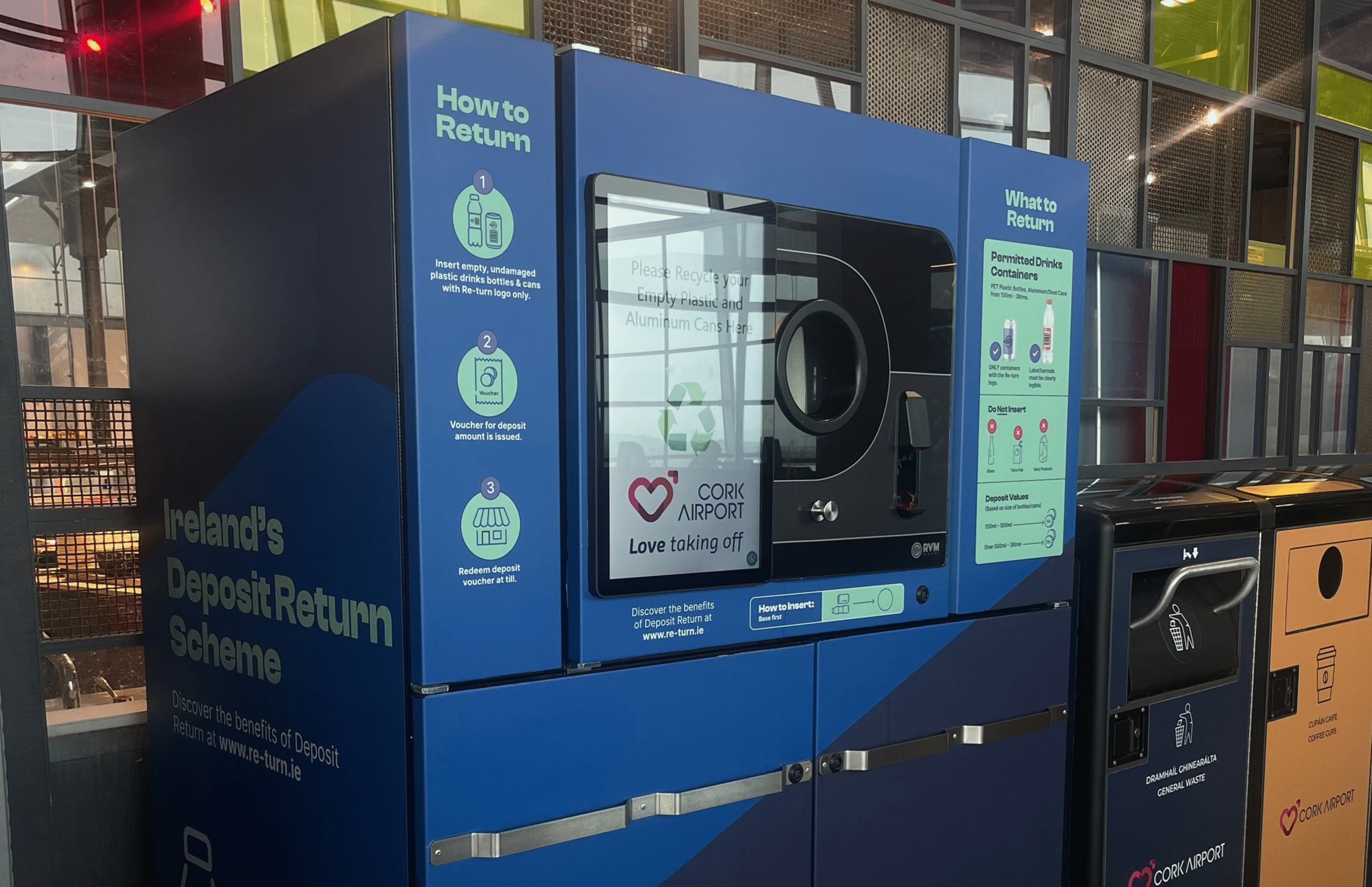
DRS 2027: Does Your Business Need a Reverse Vending Machine?
The UK's Deposit Return Scheme (DRS) has reached another milestone, with the first 54 Reverse Vending Machines officially certified ahead...
Read More
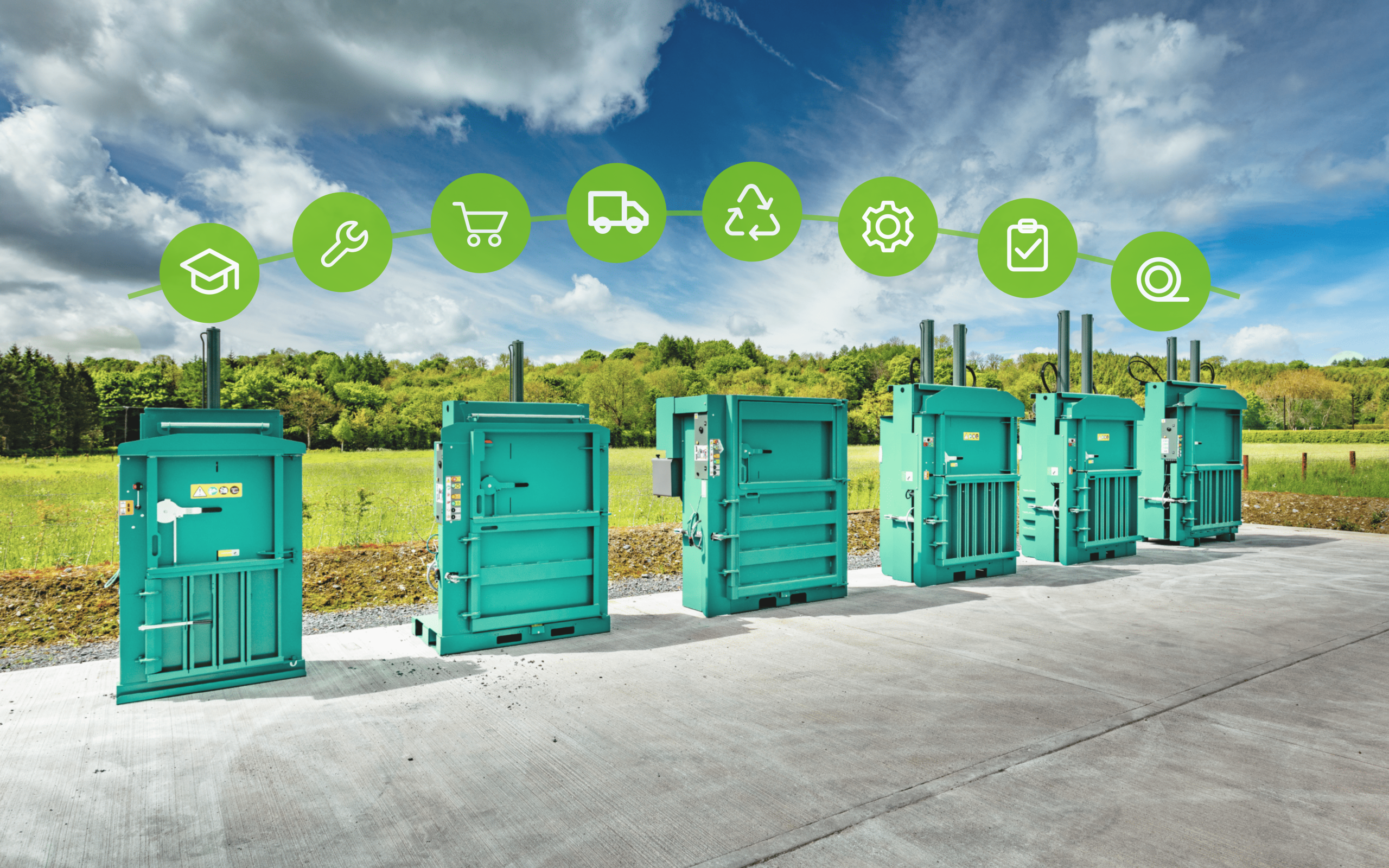
More Than Just Selling a Baler: Complete Baler Solutions from Flame UK
Discover Flame UK's complete commercial waste baler solutions, including sales, hire, installation, servicing, emergency repairs, operator training and consumables. Learn...
Read More
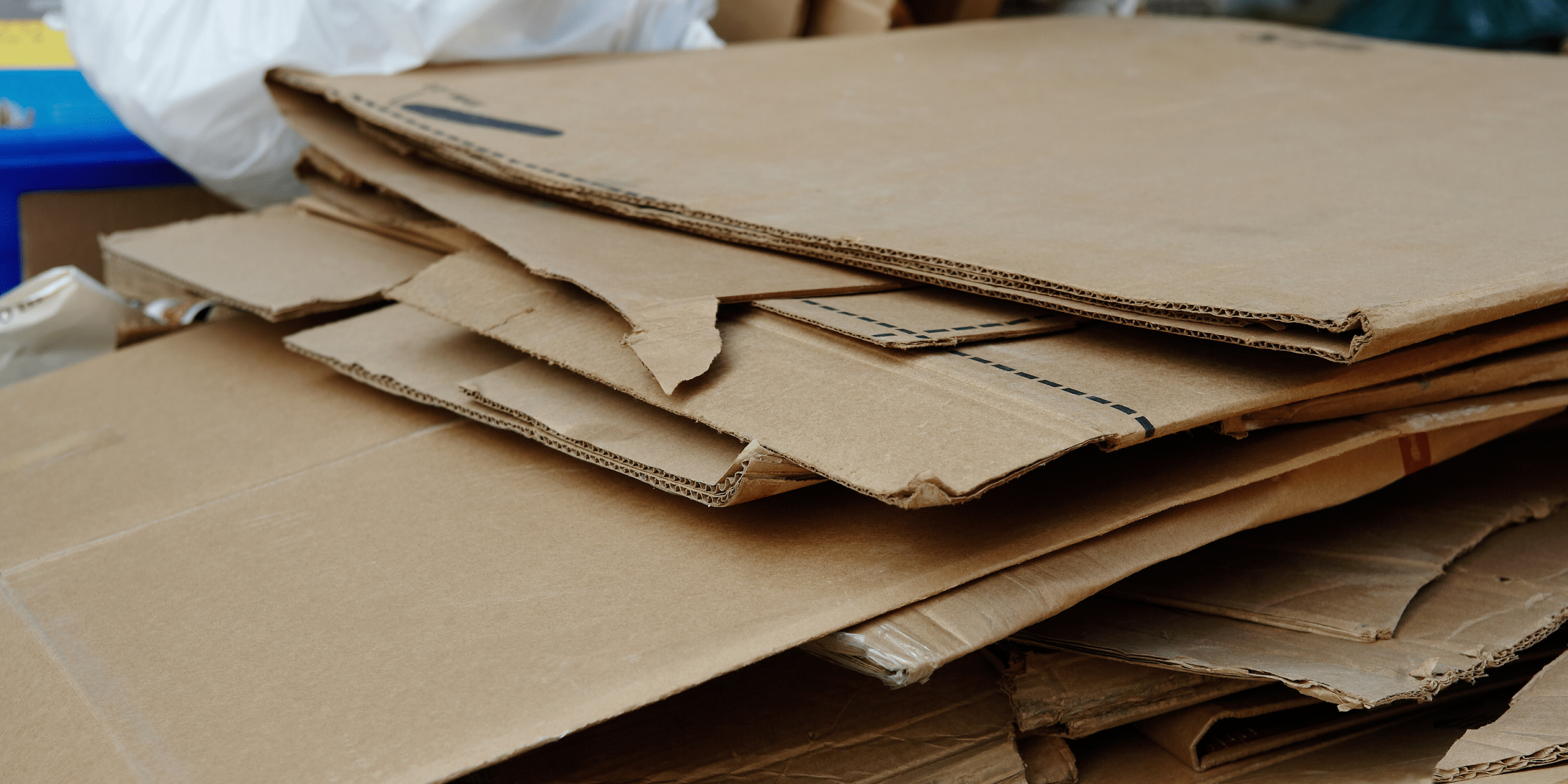
Smarter Cardboard Waste Management: How Balers and Roto Compactors Can Help
Discover how cardboard balers and roto compactors can help businesses reduce waste volumes, lower collection costs, save space and improve...
Read More
Waste Management in 2027: What Businesses Need to Prepare For
Discover the key waste management changes coming in 2027, including Simpler Recycling, Digital Waste Tracking and the Deposit Return Scheme,...
Read More
Digital Waste Tracking Is Here: What Businesses Need to Know
Digital Waste Tracking is now in effect. Discover what Phase 1 means for businesses, who is affected and what happens...
Read More
Frequently
Asked Questions
Clear answers to common questions about commercial expanded polystyrene (EPS) recycling, including potential rebates, specialist compaction equipment, recycling requirements and how businesses can reduce waste disposal costs.
Can businesses recycle expanded polystyrene (EPS) in the UK?
Yes. Clean expanded polystyrene can be recycled through specialist recycling facilities in the UK. However, EPS packaging is not normally accepted through standard commercial mixed recycling collections. Businesses should arrange a suitable specialist collection and confirm the recycler’s requirements regarding material type, contamination and minimum quantities.
How much is compacted polystyrene worth per tonne in the UK?
There is no fixed or guaranteed price for compacted EPS. Its commercial value depends on material cleanliness, density, volume, transport costs and current demand from recycling outlets. Obtaining an individual quotation is the most reliable way to assess potential returns.
What is an EPS compactor, and how does it work?
An EPS compactor is specialist equipment designed to reduce the volume of expanded polystyrene waste. It processes loose EPS packaging into denser material, commonly using mechanical compression. Some systems use thermal densification instead. The resulting material is easier to store and transport and may be suitable for specialist recycling, depending on the recycler’s acceptance requirements.
Is investing in a polystyrene compactor worthwhile for a warehouse or manufacturing business?
An EPS compactor may be worthwhile where a business generates regular quantities of suitable polystyrene and experiences high storage or collection costs. The financial case should consider equipment purchase or hire, electricity, maintenance, labour, collection savings and potential rebates. A waste assessment can help establish whether the expected benefits justify the investment.
Can polystyrene be placed in a commercial mixed recycling bin?
Expanded polystyrene packaging is not typically accepted through standard commercial mixed recycling collections in England. Although EPS is recyclable, it generally requires a specialist recycling arrangement. Businesses should confirm their waste provider’s acceptance criteria rather than placing polystyrene into mixed recycling containers and risking contamination or rejected collections.
Can Flame UK arrange polystyrene recycling, equipment and potential rebates?
Flame UK can help businesses assess their expanded polystyrene waste, investigate suitable compaction equipment and explore specialist recycling and collection arrangements. Where the material meets the required specifications and a commercially viable recycling outlet is available, potential rebate opportunities can also be considered. The most suitable solution depends on waste volumes, location and operational requirements.