


Digital Waste Tracking is changing how waste movements are recorded across the UK. Discover what the latest requirements mean for...
Read More
Digital Waste Tracking: What Does It Mean for Your Business?
Digital Waste Tracking is changing how waste movements are recorded across the UK. But what does this actually mean for businesses that rely on regular waste collections?
Whether your business operates a warehouse, manufacturing facility, office or multiple sites, you may be wondering whether your waste management arrangements need to change, whether you’ll have additional reporting responsibilities or how the new system could affect your day-to-day operations.
While Digital Waste Tracking introduces new requirements for certain waste operators, it affects businesses that produce commercial waste differently.
In this article, we explain what Digital Waste Tracking means for Flame UK customers, what responsibilities remain unchanged and how your business can prepare as the system develops.
Digital Waste Tracking: The Key Points for Your Business
For most businesses producing commercial waste, Digital Waste Tracking does not mean major changes to your day-to-day waste collections. However, it does place greater importance on accurate waste information and how waste movements are recorded.
Here’s what your business needs to know:
- Your collections can continue as normal. DWT does not automatically require you to change your waste provider, collection schedules or containers.
- You are unlikely to need to report directly. Most businesses that simply produce commercial waste are not currently required to submit information to the government’s digital system.
- Your waste information needs to be accurate. Your provider may ask you to confirm waste types, classifications and collection details.
- Your existing legal responsibilities remain. Duty of Care obligations, including appropriate waste documentation and responsible waste management, still apply.
- Better waste visibility could benefit your business. As the system develops, more consistent waste data could support improved reporting, transparency and sustainability monitoring.
The key takeaway? Most businesses do not need to make immediate changes to their waste collections, but keeping accurate waste records and working closely with their waste management provider will help them prepare for future developments.
In this Article
- What Digital Waste Tracking means for your business
- Will your business need to report waste digitally?
- What could change about your waste collections?
- Does Digital Waste Tracking affect your Duty of Care?
- What does it mean for different types of businesses?
- How could Digital Waste Tracking improve waste reporting?
- What should your business do to prepare?
- How Flame UK can support your business
What Does Digital Waste Tracking Actually Mean for Your Business?
Digital Waste Tracking (DWT) aims to create a more consistent system for recording waste movements across the UK, improving transparency and helping regulators understand how waste is managed.
For businesses producing commercial waste, the changes primarily concern how information about waste movements is recorded and shared between organisations.
Your business can generally continue using its existing waste management services, provided they remain suitable and compliant.
As the system develops, businesses could benefit from more consistent waste information to support environmental reporting and operational decision-making.
For a detailed explanation of the rollout and implementation dates, read our previous article, Digital Waste Tracking Is Here: What Businesses Need to Know.
Will Your Business Need to Report Waste Digitally?
One of the biggest concerns for businesses is whether they will need to register for Digital Waste Tracking and submit waste information directly to the government.
For most businesses that simply produce commercial waste, the answer is no, not under the current phase.
Since 1 October 2026, permitted and licensed waste-receiving sites in England and Wales have been required to digitally report the controlled waste they receive.
Equivalent requirements are scheduled to begin in Scotland and Northern Ireland on 1 January 2027, with waste carriers, brokers and dealers planned to follow from October 2027.
Businesses operating offices, warehouses, retail premises or manufacturing facilities are therefore not automatically required to submit reports simply because they generate commercial waste.
However, organisations that also operate permitted or licensed waste-receiving activities may have additional responsibilities.
You can check the latest requirements through the UK Government’s Digital Waste Tracking guidance.
What Could Change About Your Waste Collections?
For many Flame UK customers, the physical collection process may remain largely unchanged. However, the accuracy of information associated with waste collections is becoming increasingly important.
You May Be Asked to Confirm Waste Information
Waste-receiving sites must report specified information about incoming waste loads, including waste classifications and details of the organisations involved.
Your waste management provider may therefore need to confirm:
- Site addresses and collection locations.
- Types of waste being collected.
- Waste descriptions and European Waste Catalogue (EWC) codes.
- Details of particular waste streams.
For example, a warehouse producing cardboard, plastic packaging and general waste may need to verify how these materials are classified and collected.
Accurate information can help prevent unnecessary queries and support reliable collections.
Waste Segregation Remains Important
Digital Waste Tracking does not introduce new waste segregation rules by itself.
However, more consistent reporting could make discrepancies between expected and received waste materials easier to identify.
Correct segregation already helps businesses reduce contamination, improve recycling performance and manage waste costs.
Your Collection Schedule May Not Need to Change
DWT does not automatically require businesses to increase collection frequencies, replace containers or change waste providers.
However, reviewing your existing waste management arrangements can help identify whether your current services remain suitable and cost-effective.
Does Digital Waste Tracking Change Your Duty of Care Responsibilities?
Although Digital Waste Tracking introduces new reporting requirements, it does not remove businesses’ existing legal responsibilities.
Under the UK’s waste Duty of Care framework, businesses must take reasonable steps to ensure their waste is managed responsibly.
This includes transferring waste to authorised persons, providing accurate waste descriptions and maintaining appropriate documentation.
Waste transfer notes and hazardous waste consignment notes must still be completed where required.
During the current rollout, existing documentation requirements continue alongside the new digital reporting system.
Having a waste management provider does not remove your business’s own Duty of Care responsibilities. It remains important to understand what waste your organisation produces, how it is classified and who is authorised to handle it.
For further information, see the UK Government’s Waste Duty of Care Code of Practice.
What Does Digital Waste Tracking Mean for Different Types of Businesses?
Although the reporting system is being introduced nationally, its practical implications may vary depending on how your business operates and the waste it produces.
Warehouses and Distribution Centres
Warehouses often generate cardboard, plastic packaging, pallets and general waste.
Accurate waste descriptions and appropriate segregation help ensure these materials are collected and recorded correctly.
Businesses using waste balers or compactors should ensure their provider understands which materials are being processed and collected.
Manufacturing Businesses
Manufacturing facilities may produce several waste streams, including production offcuts, packaging, general waste and potentially hazardous materials.
Correct waste classification is particularly important where specialist waste streams are involved.
Reviewing how materials are identified, segregated and documented can help maintain accurate waste information.
Offices and Retail Premises
For offices and retail businesses, the immediate impact may be relatively limited.
However, maintaining accurate records of general waste, dry mixed recycling, paper, cardboard and other waste streams remains important.
Staff should understand which materials belong in each container, and collection information should remain up to date.
Multi-Site Businesses
For organisations operating multiple locations, consistency is particularly important.
Different sites may generate different waste streams or use different collection providers, making information harder to manage centrally.
At Flame UK, we coordinate waste management services across multiple locations through our national network of approved waste management partners.
This provides businesses with a central point of contact and helps simplify waste management across their operations.
How Could Digital Waste Tracking Improve Your Business’s Waste Reporting?
Although Digital Waste Tracking is primarily being introduced to strengthen regulatory oversight, more consistent waste information could also benefit businesses.
As the system develops, improved data consistency could support greater visibility of waste movements and help organisations identify discrepancies in their records.
However, the current government system does not provide every waste producer with complete, real-time waste tracking.
It also does not automatically provide recycling rates, carbon calculations or verified waste destination information. These may still require additional reporting from waste management providers.
Reviewing existing waste data can help businesses identify opportunities to improve segregation, adjust collection frequencies or introduce more suitable waste equipment.
These improvements are not created directly by DWT, but they demonstrate why accurate waste information is valuable beyond compliance.
What Should Your Business Do to Prepare for Digital Waste Tracking?
Although most commercial waste producers are not currently required to report directly to the government system, there are practical steps businesses can take.
1. Review Your Waste Streams
Identify the types of waste your business produces, including general waste, dry mixed recycling, cardboard, food waste and specialist materials.
Check that your provider’s records accurately reflect these waste streams.
2. Check Your Waste Classifications
Ensure waste descriptions and EWC codes are appropriate for the materials being collected.
Incorrect classifications can create reporting issues and affect compliance.
3. Keep Waste Documentation Up to Date
Check that appropriate waste transfer notes, consignment notes and other relevant records are maintained in accordance with existing requirements.
4. Confirm Your Collection Information
Make sure your provider has accurate site addresses, collection arrangements and information about the materials generated at each location.
This is particularly important for multi-site businesses.
5. Speak to Your Waste Management Provider
If you’re unsure how DWT could affect your business, discuss your existing arrangements with your provider.
They can help identify information gaps and explain changes relevant to your services.
How Can Flame UK Help Your Business Prepare?
Preparing for Digital Waste Tracking should not mean unnecessarily complicating your waste management.
At Flame UK, we help businesses manage their commercial waste through practical, tailored solutions that support operational efficiency and compliance.
As reporting requirements develop, our team can help customers review their arrangements, identify information gaps and understand relevant changes.
Our support includes:
- Waste management reviews: Assessing existing waste streams, containers and collection arrangements.
- Waste classification: Helping customers identify appropriate waste descriptions and EWC codes.
- Supplier coordination: Working with our waste management network as reporting requirements develop.
- Waste reporting: Providing available waste information to support operational and environmental reviews.
- Multi-site management: Coordinating waste services and communication across multiple locations.
We continue to monitor Digital Waste Tracking developments so that we can help customers understand the requirements relevant to their operations.
Is Your Business Ready for Digital Waste Tracking?
Digital Waste Tracking represents an important change in how waste information is managed across the UK.
For most commercial waste producers, the immediate impact is likely to be more administrative than operational.
Your existing collections may not need to change, but accurate waste records, responsible segregation and reliable waste management partnerships remain essential.
As the system develops, businesses with well-organised waste information will be better placed to adapt.
Not Sure How Digital Waste Tracking Affects Your Business?
At Flame UK, we can help you review your existing waste management arrangements, understand your responsibilities and prepare for upcoming changes.
Speak to Our Waste Management Team
📩 businessdevelopment@flameuk.co.uk
📞 0115 896 5460
Useful Links
Recent Blog Posts
Polystyrene Waste: Could Your Business Turn a Disposal Cost into a Revenue Opportunity?
Could your business turn polystyrene waste into a revenue opportunity? Discover how specialist EPS recycling and compaction equipment can reduce...
Read More
DRS 2027: Does Your Business Need a Reverse Vending Machine?
The UK's Deposit Return Scheme (DRS) has reached another milestone, with the first 54 Reverse Vending Machines officially certified ahead...
Read More
More Than Just Selling a Baler: Complete Baler Solutions from Flame UK
Discover Flame UK's complete commercial waste baler solutions, including sales, hire, installation, servicing, emergency repairs, operator training and consumables. Learn...
Read More
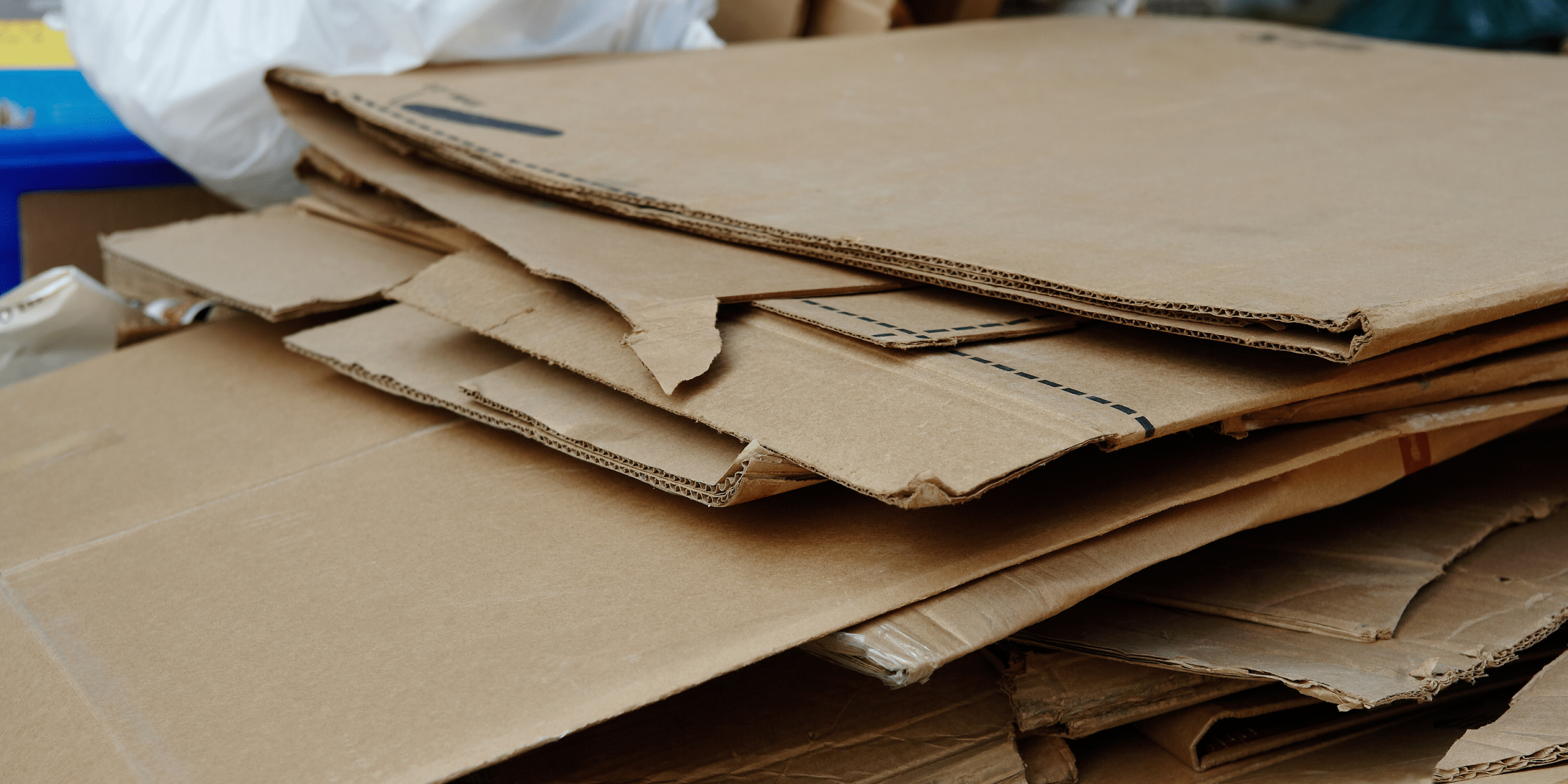
Smarter Cardboard Waste Management: How Balers and Roto Compactors Can Help
Discover how cardboard balers and roto compactors can help businesses reduce waste volumes, lower collection costs, save space and improve...
Read More
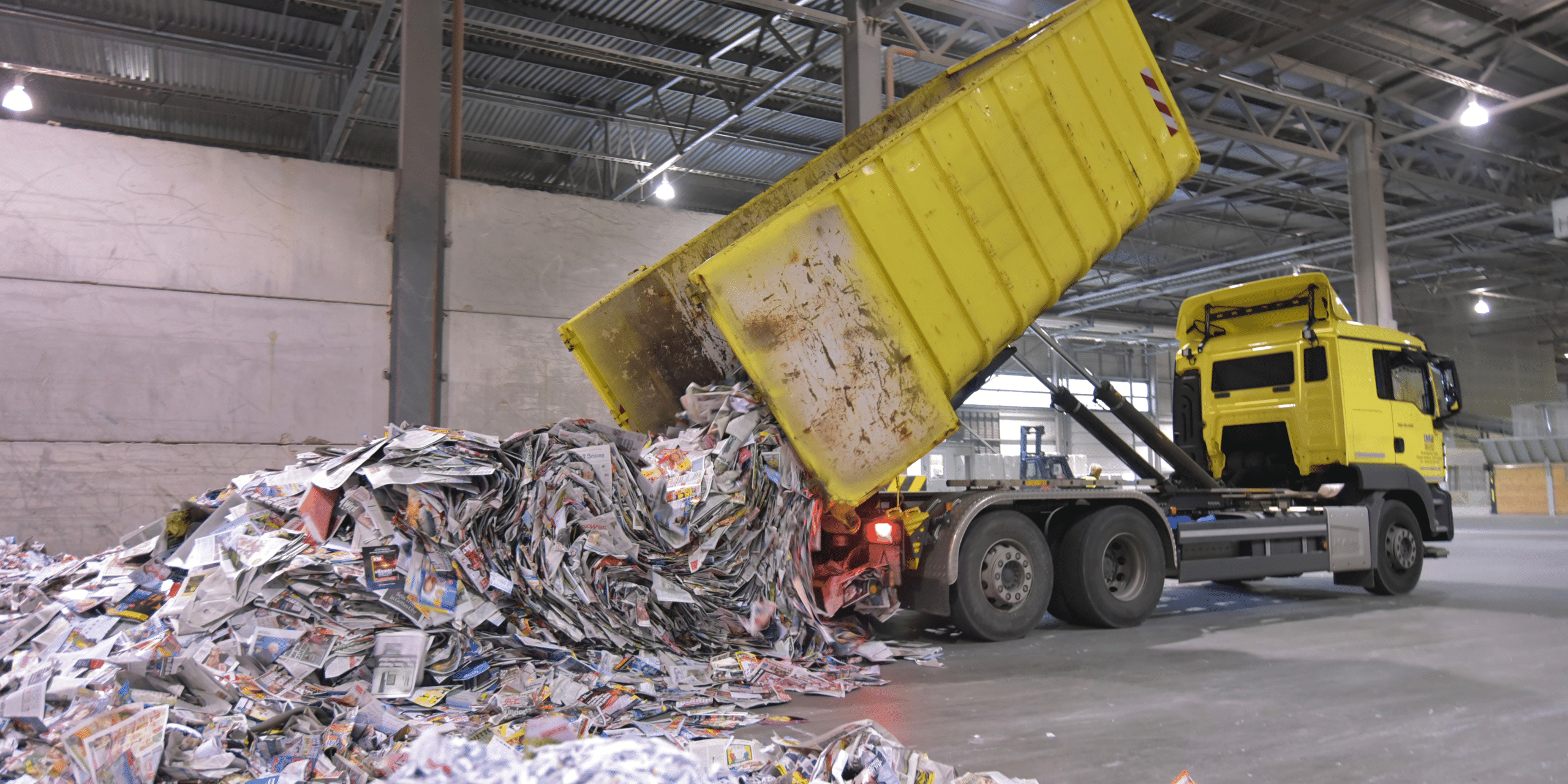
Waste Management in 2027: What Businesses Need to Prepare For
Discover the key waste management changes coming in 2027, including Simpler Recycling, Digital Waste Tracking and the Deposit Return Scheme,...
Read More
Frequently
Asked Questions
Find answers to common questions about how Digital Waste Tracking affects commercial waste producers, waste collections, reporting responsibilities and how businesses can prepare.
Does my business need to register for Digital Waste Tracking?
Most businesses that simply produce commercial waste are not currently required to register and report through the government’s Digital Waste Tracking service. The initial phase applies to permitted and licensed waste-receiving activities. Different requirements may apply if your business also operates a regulated waste facility.
Will Digital Waste Tracking change my existing waste collections?
Not necessarily. Businesses can generally continue using their existing waste collection arrangements. However, waste providers may need to collect or verify additional information as digital reporting requirements expand.
Do businesses still need waste transfer notes?
Yes. Existing waste transfer note and hazardous waste consignment note requirements continue during the current rollout. Digital Waste Tracking does not immediately replace these documents or remove businesses’ Duty of Care responsibilities.
Will Digital Waste Tracking allow me to see where my waste goes?
The system is intended to improve waste traceability, but the current phase does not provide every waste producer with complete, real-time tracking. Additional information about waste destinations and treatment may still need to be requested from waste management providers.
Could Digital Waste Tracking increase my waste management costs?
Digital Waste Tracking introduces reporting obligations and associated costs for certain regulated waste operators. Whether these result in changes to customer charges depends on individual service arrangements and providers. Businesses should not assume additional charges automatically apply.
How can Flame UK help my business prepare for Digital Waste Tracking?
Flame UK can help businesses review their waste arrangements, improve waste information, coordinate collection services and understand relevant changes as Digital Waste Tracking develops. We also support multi-site organisations looking for more consistent waste management and reporting processes.