




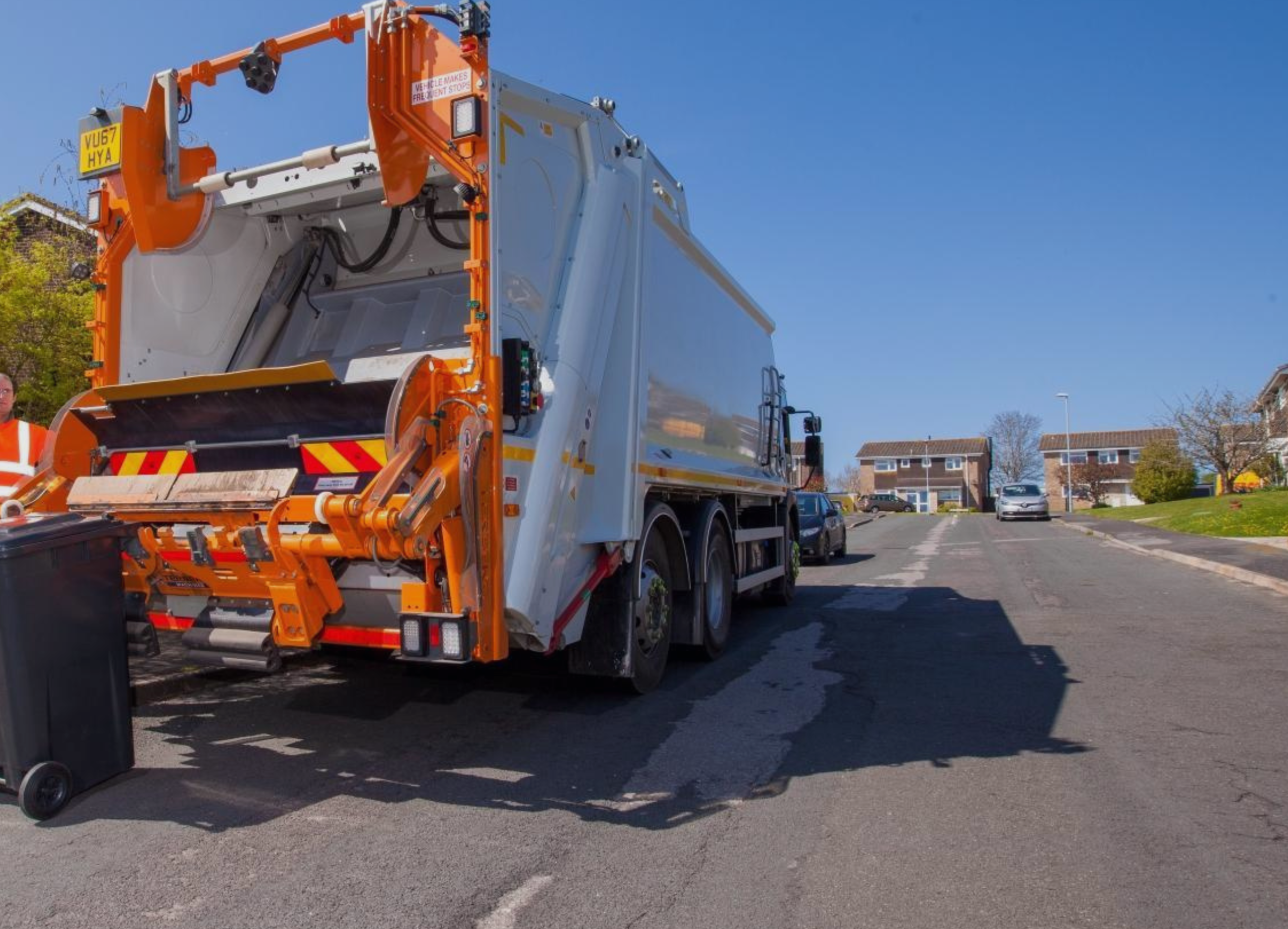
Digital Waste Tracking is now in effect. Discover what Phase 1 means for businesses, who is affected and what happens...
Read More
Digital Waste Tracking: What Businesses Need to Know for 2026
The way the UK manages waste is evolving. From October 2026, the Digital Waste Tracking (DWT) system will begin its mandatory rollout, starting with licensed and permitted waste-receiving sites. This is the first step in replacing fragmented paper-based records with a standardised digital system, giving businesses and regulators better visibility over waste movements.
Why Waste, Clearances, and Sweeping Matter Now
Defra’s Digital Waste Tracking initiative is designed to modernise how waste is recorded and monitored, providing a clear digital footprint from production to disposal. Its objectives are to:
- Improve transparency: Digital records make it easier to track waste and spot irregularities.
- Combat waste crime: Better visibility helps prevent illegal dumping or mismanagement.
- Support environmental goals: Accurate data enables smarter decisions to reduce waste and emissions.
Who Will Be Affected in 2026?
The initial mandatory phase applies to licensed or permitted waste-receiving sites, which must report all incoming waste transactions within 48 hours. Other operators – including carriers, brokers, and waste producers – are expected to join later, but the exact timeline and scope are still being finalised.
Certain categories, such as household waste collected by local authorities and waste received at Household Waste Recycling Centres, are currently out of scope for the first phase.
Why Partner with Flame UK
Even though the first wave only covers receiving sites, preparing early is crucial:
- Audit your current waste processes: Understand how waste is recorded, moved, and reported across all sites.
- Digitise records: Transitioning from paper logs to digital systems now can save time and reduce errors later.
- Train staff: Make sure teams responsible for waste management are familiar with digital reporting requirements.
- Explore software solutions: Many waste-management platforms are being developed to support DWT compliance. Evaluate options early to see which best integrates with your operations.
It’s also important to remember that existing compliance requirements, such as waste transfer notes and duty of care obligations, are expected to continue during this transition. DWT complements these rules rather than immediately replacing them.
Practical Steps to Take This Month
Digital Waste Tracking isn’t just a regulatory requirement — it’s an opportunity to demonstrate responsibility, efficiency, and transparency. Businesses that get ahead of DWT will benefit from:
- Streamlined operations with digital record-keeping.
- Improved reporting capabilities for customers, regulators, and ESG goals.
- Reduced risk of non-compliance or enforcement action.
At Flame UK, we’re already integrating digital systems that provide live collection data, customer reporting, and CO₂ tracking, helping our clients stay ahead of compliance and showcase responsible waste management. By preparing now, your business can embrace DWT as a tool for smarter, more sustainable operations.
Digital Waste Tracking is coming – make 2026 the year your business leads the way in responsible, transparent waste management.
Useful Links
Recent Blog Posts
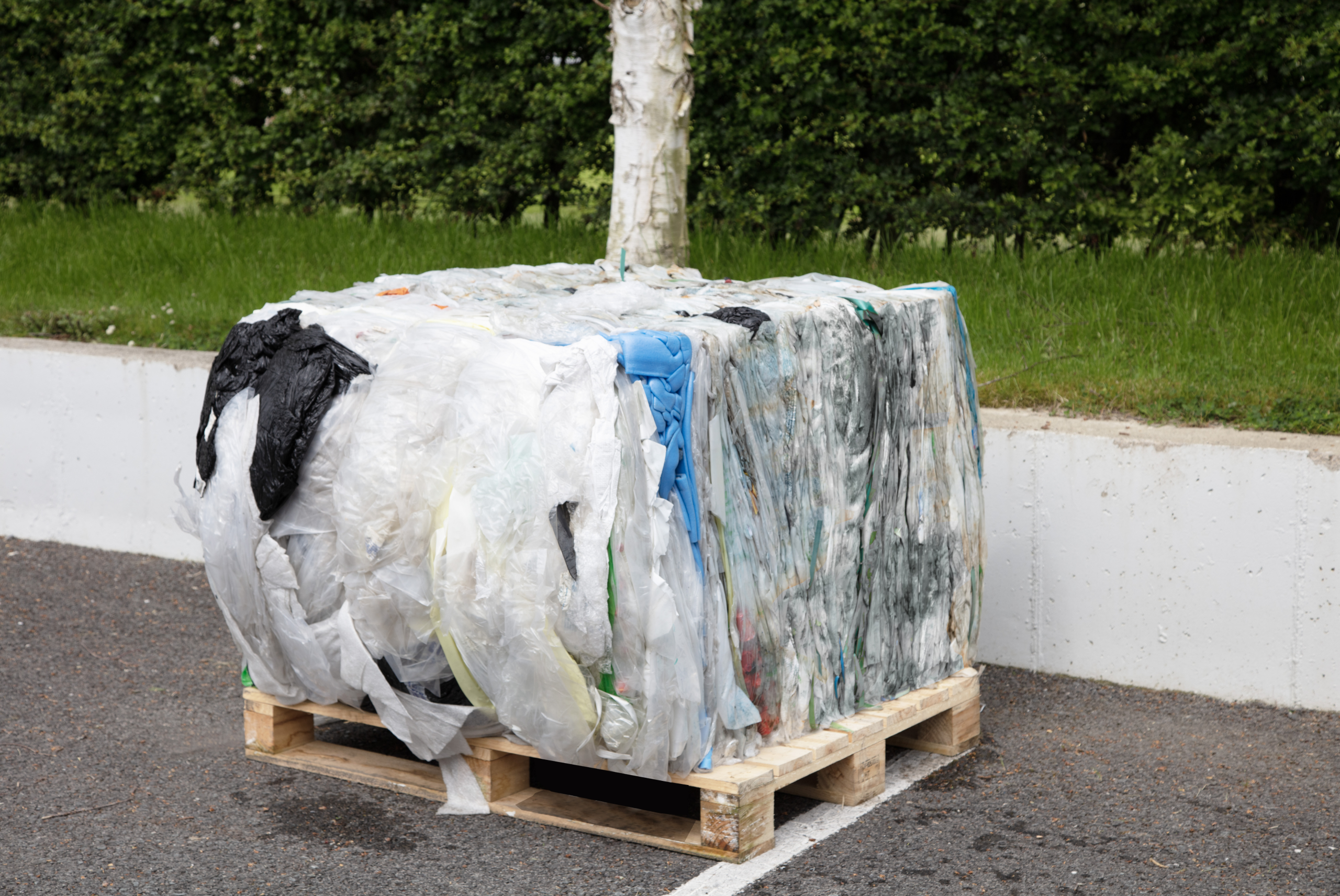
PRN Market Update 2026: Rising Prices, Evidence Shortages and the Impact on Business Waste Costs
PRN prices are rising sharply in 2026 as recycling evidence shortages and higher packaging recycling targets put pressure on the...
Read More

Whitemeadow Furniture Limited
Discover how Flame UK helped Whitemeadow Furniture simplify waste management, reduce general waste and increase recycling with one point of...
Read More
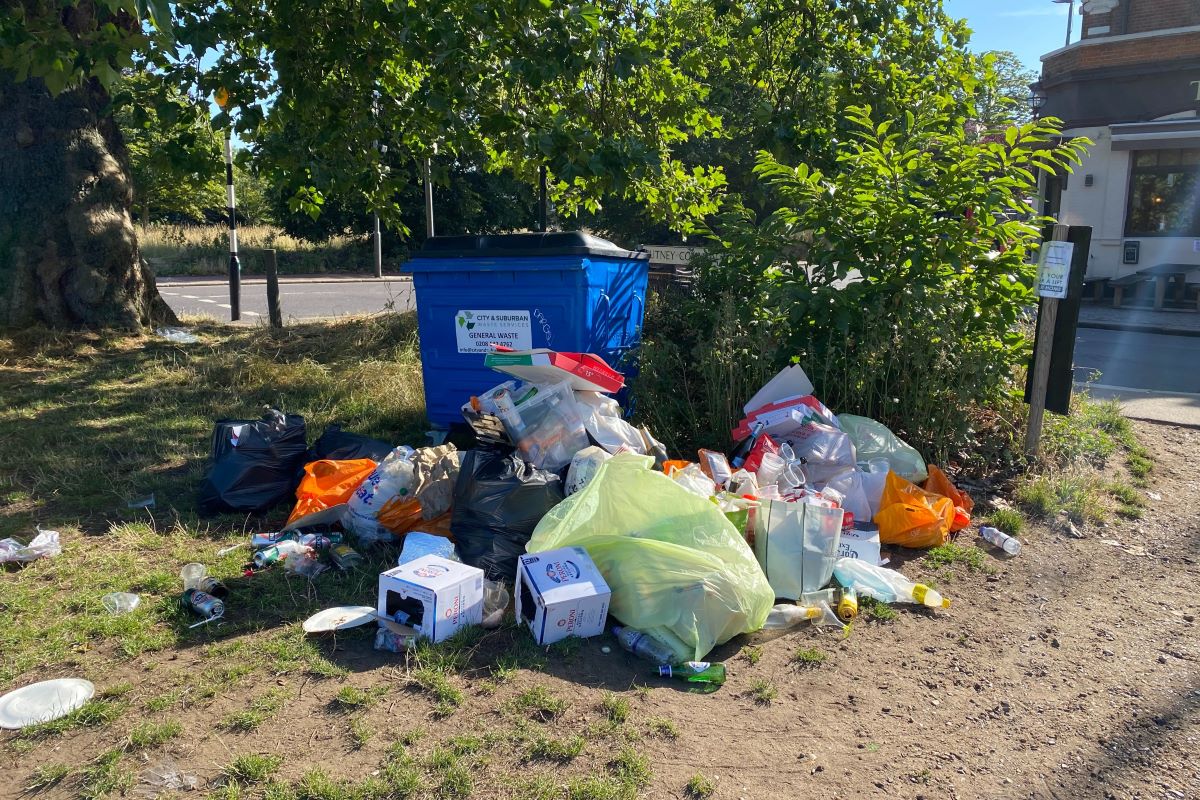
The Real Cost of Contaminated Recycling in 2026
Recycling contamination can lead to additional charges, rejected collections and poorer recycling performance. Discover what causes contaminated recycling, the warning...
Read More

EU PPWR Now Applies: What UK Businesses Need to Know
The EU Packaging and Packaging Waste Regulation (PPWR) is now generally applicable, introducing new requirements for packaging placed on the...
Read More

Skip Theft Prevention: How to Protect Your Waste Containers
Skip theft prevention can protect businesses from costly container theft and disruption. Learn why skips are stolen, how to identify...
Read More