



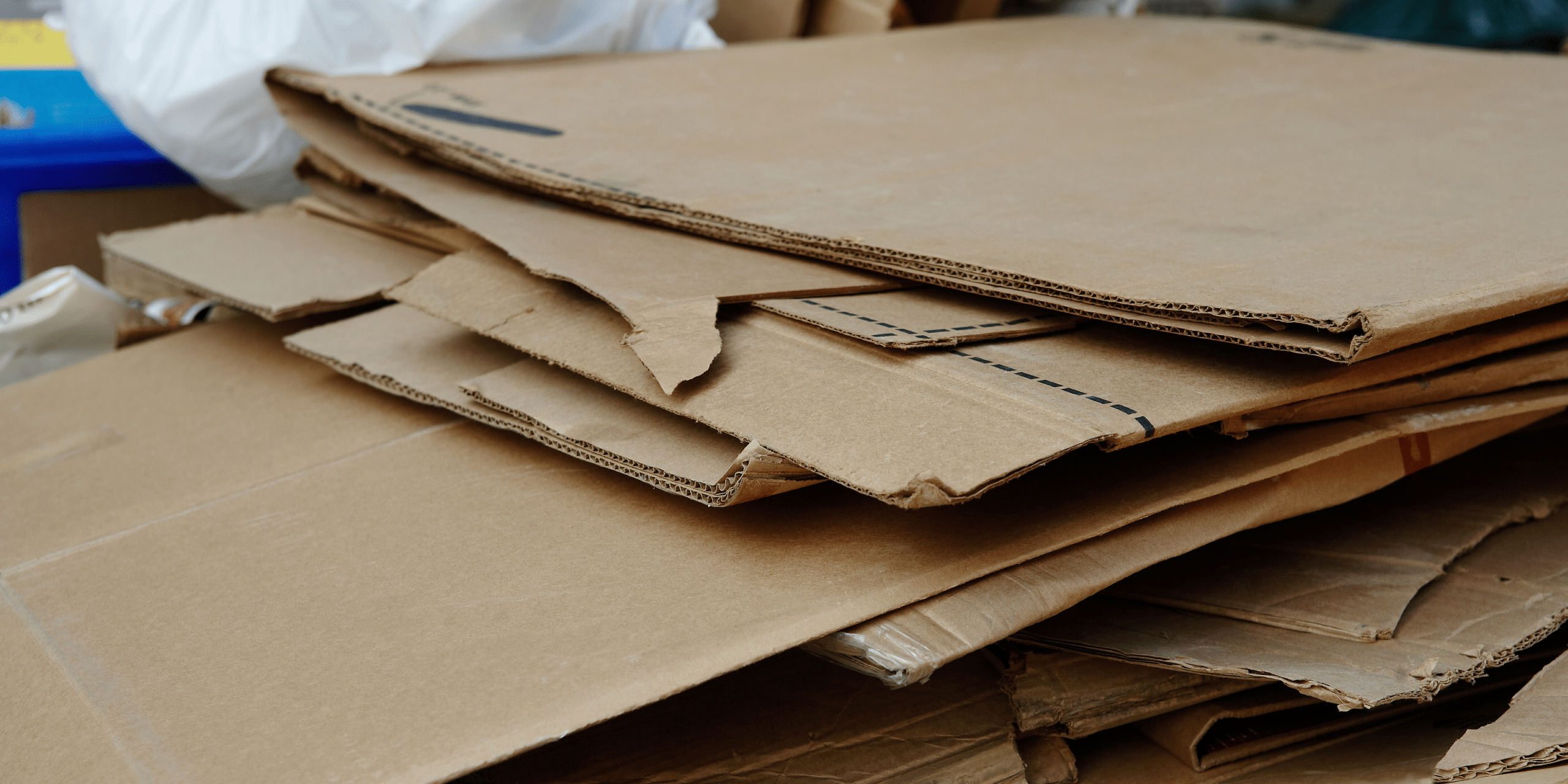
Discover how cardboard balers and roto compactors can help businesses reduce waste volumes, lower collection costs, save space and improve...
Read More
CBAM Explained: What the Carbon Border Adjustment Mechanism Means for UK Businesses
Carbon reporting is no longer just a sustainability issue. It’s becoming a commercial one.
The Carbon Border Adjustment Mechanism (CBAM) is one of the biggest changes to environmental trade legislation affecting manufacturers, importers and exporters. While many organisations have heard the term, few understand what the Carbon Border Adjustment Mechanism means in practice or how it could affect purchasing decisions, supply chains and operating costs.
While many organisations have heard the term, few understand what it means in practice or how it could affect purchasing decisions, supply chains and operating costs.
Whether you manufacture products, import raw materials or export goods to Europe, understanding CBAM now could help your business prepare for future reporting requirements and avoid unexpected costs.
In this guide, we’ll explain:
- What CBAM is
- Why it has been introduced
- Which businesses are affected
- How the UK scheme differs from the EU’s
- What practical steps organisations should be taking now
What is the Carbon Border Adjustment Mechanism?
The Carbon Border Adjustment Mechanism (CBAM) is a policy designed to apply a carbon price to certain imported goods.
Its purpose is to prevent carbon leakage.
Carbon leakage occurs when businesses move production to countries with less stringent environmental regulations or import lower-cost, higher-carbon products instead of manufacturing them in countries with carbon pricing systems.
Manufacturers within the European Union already pay for many of their carbon emissions through the EU Emissions Trading System (EU ETS). CBAM helps create a level playing field by ensuring imported products are subject to a comparable carbon cost, reducing the incentive to shift production overseas purely to avoid environmental costs.
Which products are currently covered?
The EU currently applies CBAM to several high-carbon sectors, including:
- Iron and steel
- Aluminium
- Cement
- Fertilisers
- Hydrogen
- Electricity
These sectors were selected because they are among the most emissions-intensive industries and face the greatest risk of carbon leakage.
The mechanism may expand over time as governments review additional sectors and products.
Has Carbon Border Adjustment Mechanism already started?
Yes.
The EU introduced a transitional reporting period between 1 October 2023 and 31 December 2025.
During this phase, businesses importing covered goods into the EU were required to report the embedded carbon emissions associated with those imports, but no financial adjustment was payable.
From 1 January 2026, CBAM entered its definitive phase. Importers are now moving towards the financial obligations of the scheme alongside ongoing reporting requirements, including purchasing of CBAM certificates based on the embedded carbon emissions of imported products, with the mechanism becoming an integral part of importing carbon-intensive goods into the EU.
What does this mean for UK businesses?
Many UK organisations assume CBAM only affects companies based within the European Union.
That’s not necessarily the case.
If your business exports CBAM-covered products into the EU, your customers may require detailed carbon emissions data to comply with their own obligations.
Even where UK businesses are not directly responsible for CBAM payments, they may increasingly be asked to provide reliable emissions information as part of supplier approval, procurement exercises and contract renewals.
In other words, carbon reporting is becoming an important part of doing business internationally, regardless of where your organisation is based.
The UK’s Carbon Border Adjustment Mechanism (CBAM)
The UK is introducing its own Carbon Border Adjustment Mechanism on 1 January 2027.
Like the EU scheme, the UK CBAM aims to ensure imported carbon-intensive products face a similar carbon cost to goods manufactured domestically under the UK Emissions Trading Scheme (UK ETS). This helps protect UK manufacturers while encouraging global emissions reductions.
The UK scheme will initially apply to imports of:
- Aluminium
- Cement
- Fertilisers
- Hydrogen
- Iron and steel
Unlike the EU system, the UK CBAM will operate as a tax administered by HM Revenue & Customs rather than through the purchase of CBAM certificates.
Businesses importing more than £50,000 of in-scope goods over the relevant threshold period will generally need to register with HMRC and account for any CBAM liability.
Why should businesses care?
Although CBAM is primarily environmental legislation, its commercial impact could be significant.
Businesses may experience:
- Increased import costs
- Greater supplier due diligence requirements
- Additional reporting obligations
- Increased requests for product emissions data
- Pressure to source lower-carbon materials
- Greater scrutiny from customers, procurement teams and investors
For many organisations, environmental performance is becoming a competitive advantage rather than simply a compliance exercise.
What role does waste management play?
When businesses think about carbon reporting, waste management is not always the first area they consider.
However, improving the way waste is managed can support wider sustainability objectives and help reduce the environmental impact of business operations.
An effective waste management strategy can help organisations:
- Increase recycling rates
- Reduce waste sent to landfill
- Improve segregation of recyclable materials
- Reduce transport emissions by lowering collection frequencies through waste compaction
- Generate better environmental reporting data
- Support wider ESG and sustainability goals
Investing in the right waste handling equipment can also improve operational efficiency by reducing manual handling, freeing up valuable floor space and lowering waste collection costs.
While waste management alone will not determine CBAM compliance, it is one practical area where businesses can improve environmental performance while delivering measurable operational benefits.
How Should Businesses Prepare for the Carbon Border Adjustment Mechanism?
Whether CBAM applies directly to your organisation today or not, preparation is becoming increasingly important.
Consider asking yourself:
- Do we understand where our products and materials originate?
- Could any of our imports or exports fall within CBAM’s scope?
- Are our suppliers able to provide reliable emissions data?
- Are we collecting meaningful environmental information?
- Could we improve recycling performance and reduce waste generation?
- Are there opportunities to reduce our overall operational carbon footprint?
Businesses that begin reviewing these areas now are likely to be in a much stronger position as environmental reporting requirements continue to evolve.
How Flame UK can help
While Flame UK does not provide CBAM compliance or carbon accounting services, we help businesses improve one of the most practical aspects of their sustainability strategy: waste and resource management.
Working with organisations across manufacturing, logistics, retail, hospitality and distribution, we identify opportunities to reduce waste, improve recycling and increase operational efficiency.
Our free site reviews can help your business:
- Reduce overall waste management costs
- Improve recycling rates and material segregation
- Identify opportunities to increase recycling rebates where appropriate
- Optimise containers and collection frequencies
- Reduce transport movements through waste compaction
- Free up valuable operational space
- Improve waste reporting to support wider ESG and sustainability objectives
As environmental expectations continue to grow, having an efficient and well-managed waste strategy can support both operational performance and broader sustainability goals.
Whether you’re preparing for future legislation or simply looking to operate more efficiently, reviewing your waste management strategy is a practical place to start.
Final thoughts
The Carbon Border Adjustment Mechanism represents far more than another piece of environmental legislation.
It reflects a wider shift towards greater transparency, carbon accountability and more sustainable global supply chains.
Although many UK businesses may not be directly responsible for CBAM today, customers, procurement teams and regulators are placing increasing importance on understanding the environmental impact of products and supply chains.
Organisations that improve efficiency, strengthen environmental reporting and reduce waste now will be better positioned as legislation and customer expectations continue to evolve.
If you’d like to explore how smarter waste management can support your sustainability objectives, the team at Flame UK is always happy to help.
Useful Links
Recent Blog Posts
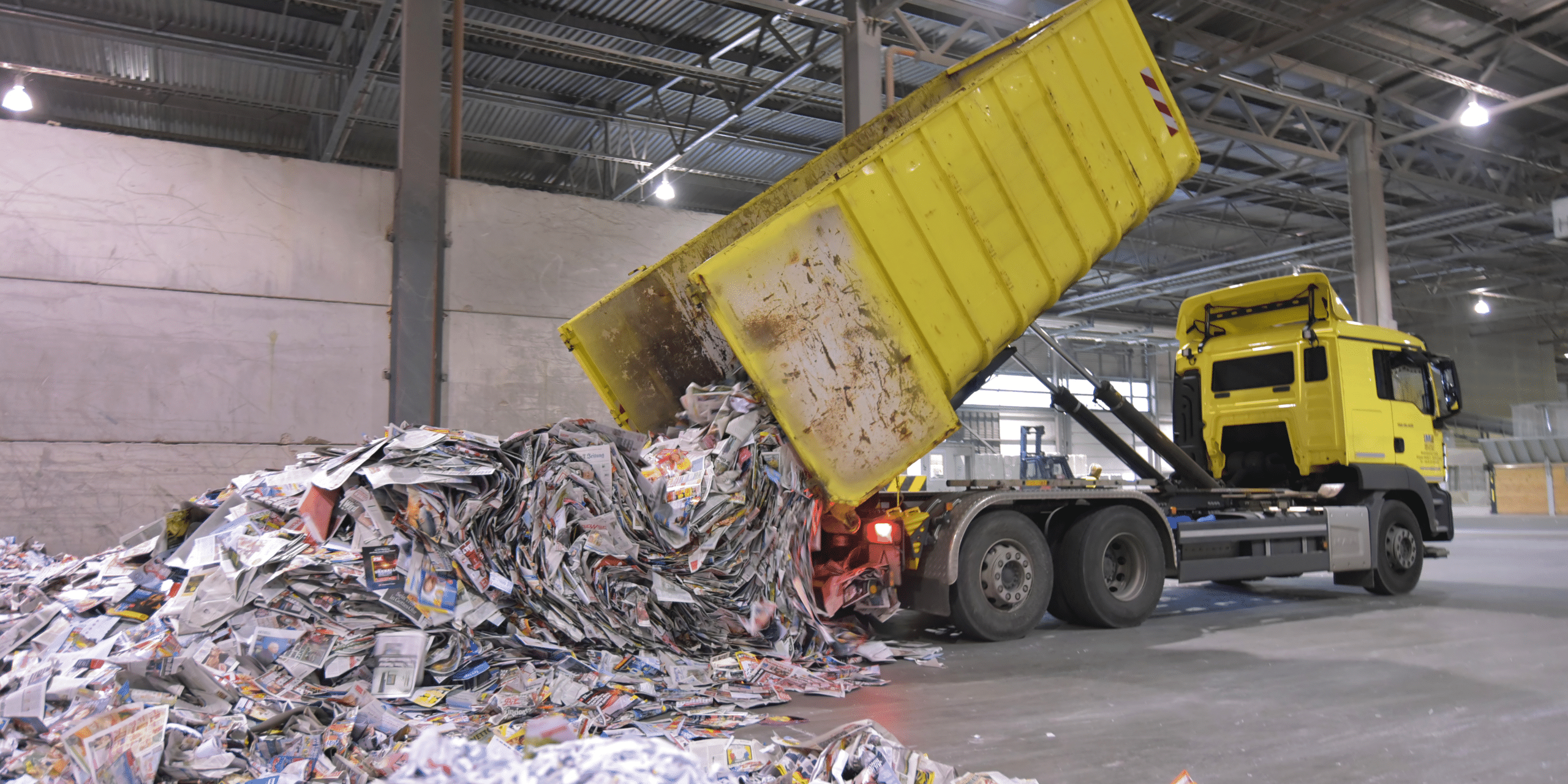
Waste Management in 2027: What Businesses Need to Prepare For
Discover the key waste management changes coming in 2027, including Simpler Recycling, Digital Waste Tracking and the Deposit Return Scheme,...
Read More
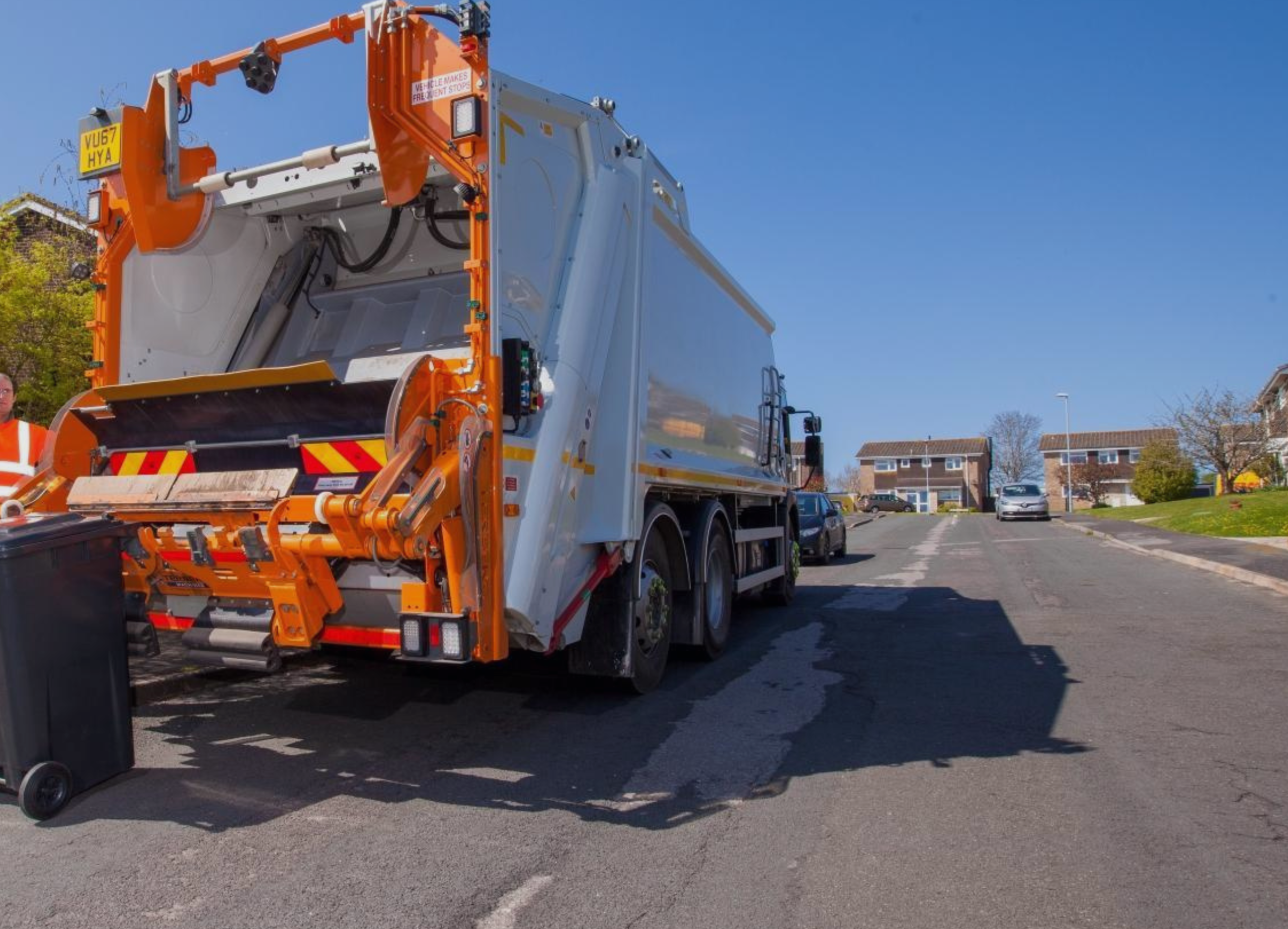
Digital Waste Tracking Is Here: What Businesses Need to Know
Digital Waste Tracking is now in effect. Discover what Phase 1 means for businesses, who is affected and what happens...
Read More
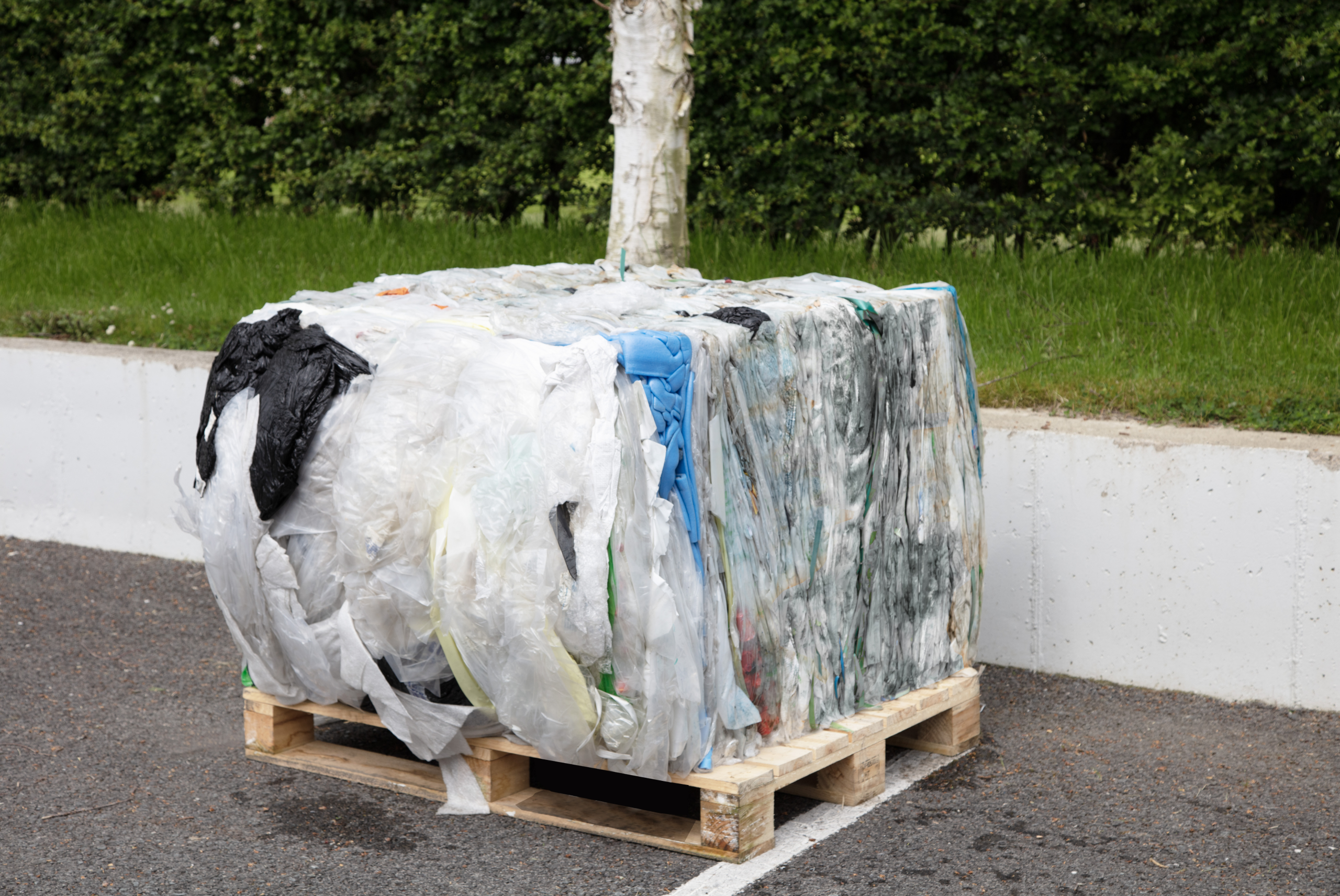
PRN Market Update 2026: Rising Prices, Evidence Shortages and the Impact on Business Waste Costs
PRN prices are rising sharply in 2026 as recycling evidence shortages and higher packaging recycling targets put pressure on the...
Read More

Whitemeadow Furniture Limited
Discover how Flame UK helped Whitemeadow Furniture simplify waste management, reduce general waste and increase recycling with one point of...
Read More
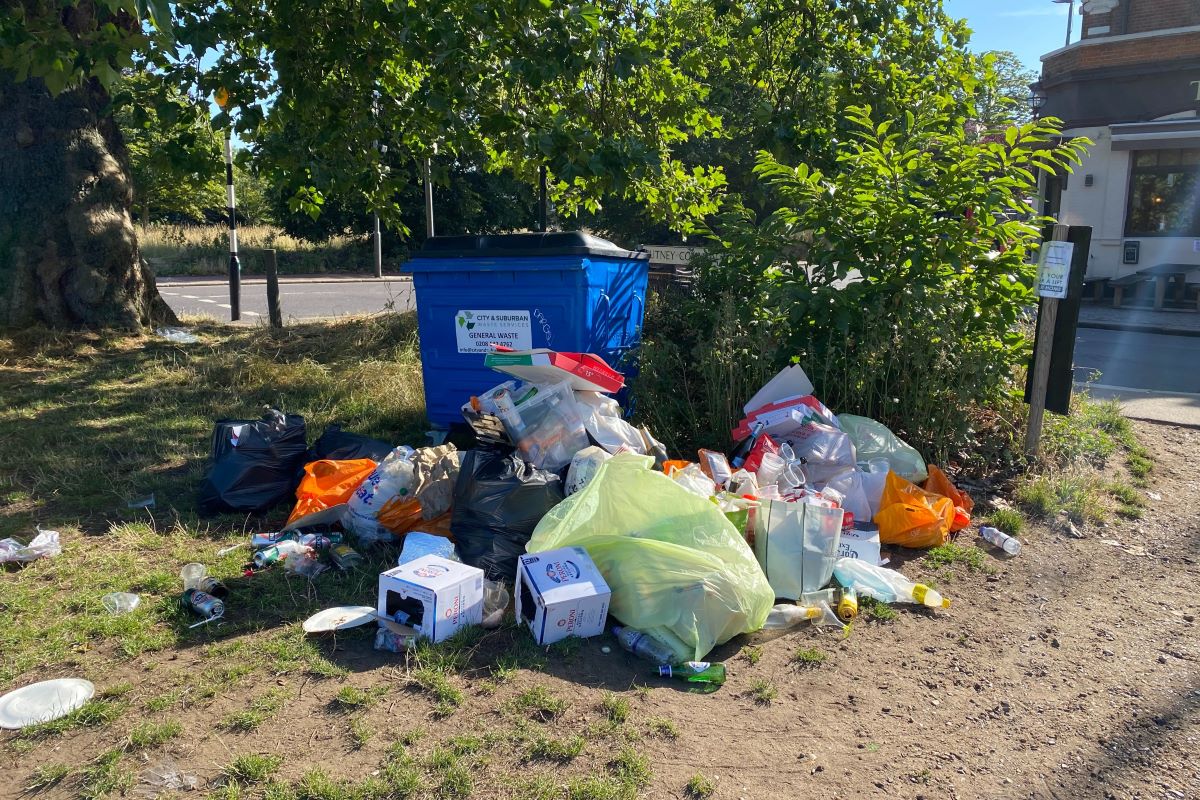
The Real Cost of Contaminated Recycling in 2026
Recycling contamination can lead to additional charges, rejected collections and poorer recycling performance. Discover what causes contaminated recycling, the warning...
Read More