




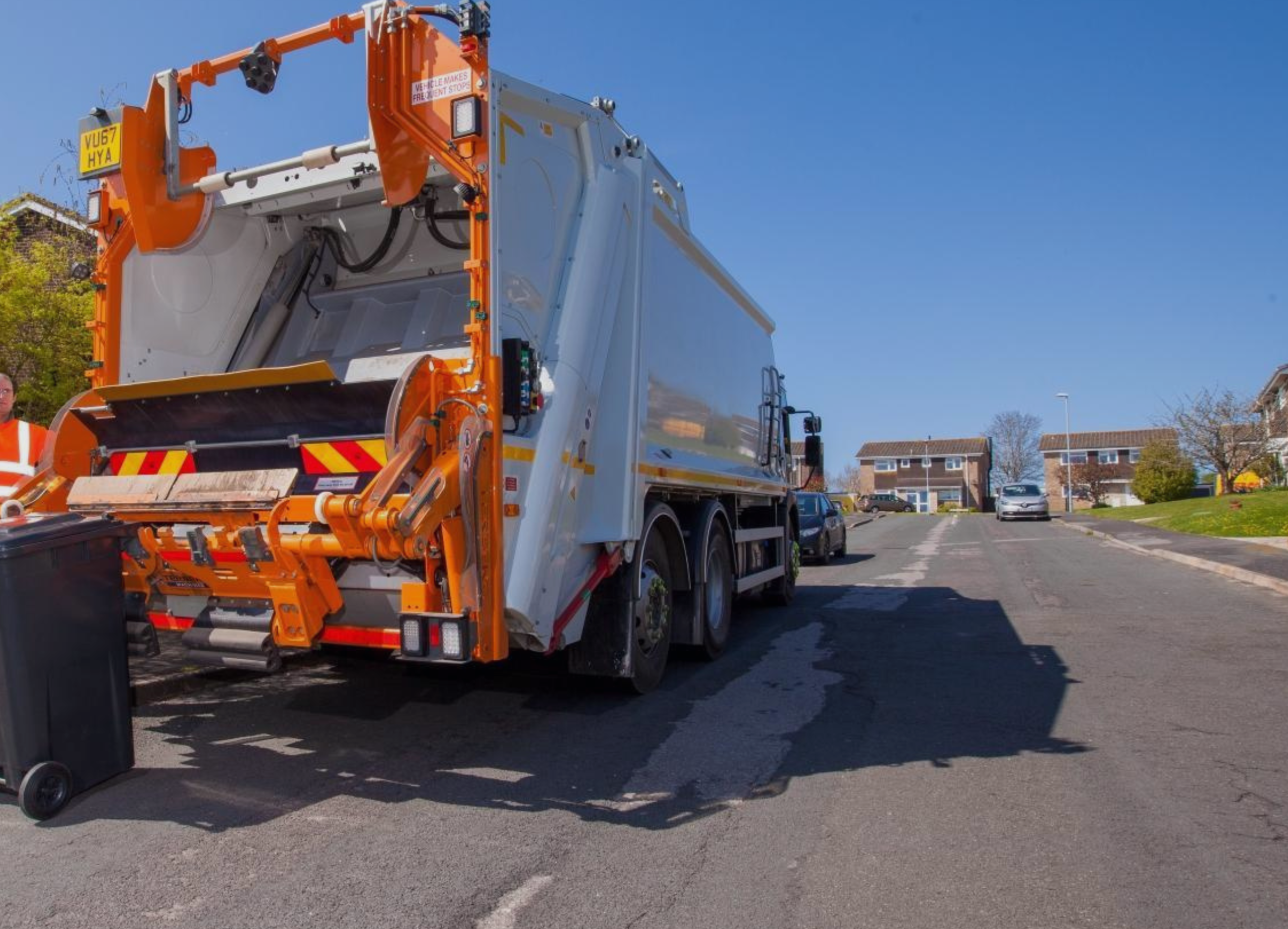
Digital Waste Tracking is now in effect. Discover what Phase 1 means for businesses, who is affected and what happens...
Read More
Fly-Tipping & the Rise of Waste Crime in the UK
Fly-tipping and organised waste crime are no longer fringe environmental issues. They are now one of the UK’s fastest-growing criminal activities, costing the economy hundreds of millions of pounds every year and placing serious pressure on legitimate businesses, local authorities, and the environment.
What was once viewed as isolated incidents of illegally dumped waste has evolved into a coordinated, profit-driven operation. And increasingly, businesses are being pulled into the problem – sometimes without realising it.
Waste Crime in the UK: A Growing National Challenge
Across England and Wales, large-scale fly-tipping is frequently linked to organised crime groups. These operators exploit weaknesses in the waste system by offering disposal services at prices that appear attractive but are simply not realistic for compliant operators.
Waste collected under these arrangements often ends up dumped in rural areas, industrial estates, roadside lay-bys, or on private land. In many cases, the material includes hazardous waste such as construction debris, asbestos, chemicals, or contaminated packaging – significantly increasing risks to human health and the environment.
Once waste is dumped, the damage is already done. Cleanup costs fall on landowners and councils, while criminals move on to the next site.
Why Fly-Tipping Is Increasing
One of the biggest drivers behind the rise in waste crime is cost pressure. Legitimate waste disposal is becoming more expensive due to tighter regulations, higher landfill tax, and increasing compliance requirements. Criminal operators bypass all of this.
By avoiding permits, duty of care checks, and lawful treatment routes, illegal carriers can undercut licensed waste management providers – sometimes by a significant margin.
For businesses, this creates a real risk. Under UK Duty of Care legislation, organisations remain legally responsible for their waste from the moment it is produced until its final disposal. If waste is passed to an unlicensed carrier or ends up fly-tipped, the original producer can still be held accountable – even if the breach was unintentional.
The Impact on Councils, Communities, and the Environment
Local authorities and the Environment Agency are under increasing strain. Enforcement budgets are stretched, reporting levels remain low, and only a fraction of waste crime incidents are ever investigated.
Clearing fly-tipped waste places a heavy financial burden on councils, diverting funding away from essential services. At the same time, communities are left dealing with environmental damage, visual pollution, and reduced trust in recycling and waste systems.
Environmentally, the consequences are severe. Illegal dumping contaminates soil and waterways, damages wildlife habitats, and undermines investment in legitimate recycling and recovery infrastructure. It also creates an uneven playing field, where compliant waste operators are penalised for doing the right thing.
What Businesses Can Do to Prevent Waste Crime
The most effective way businesses can protect themselves – and help tackle waste crime — is by taking Duty of Care seriously.
This includes:
- Using only licensed waste carriers and checking registrations regularly
- Verifying disposal and treatment sites
- Keeping accurate waste transfer notes and documentation
- Understanding where waste is going and how it is managed
- Challenging prices that seem “too good to be true”
Transparency and traceability are key. Knowing exactly what happens to your waste reduces risk, improves compliance, and supports more sustainable outcomes.
The Role of Regulation and Industry Reform
At a national level, momentum is building behind stronger measures to combat waste crime. These include digital waste tracking, tougher penalties for offenders, and increased powers for regulators to shut down illegal sites more quickly.
When combined with better data, clearer accountability, and collaboration across the supply chain, these changes have the potential to significantly reduce opportunities for criminal activity.
Fly-Tipping Is Not a Victimless Crime
Fly-tipping affects everyone – businesses, landowners, local communities, and the environment we all depend on. Tackling it requires shared responsibility across the waste supply chain, supported by robust compliance and informed decision-making.
At Flame UK, we believe waste should be managed safely, legally, and transparently. By strengthening compliance and shining a light on where waste really goes, the UK can begin to turn the tide on waste crime – protecting both its environment and its economy.
Useful Links
Recent Blog Posts
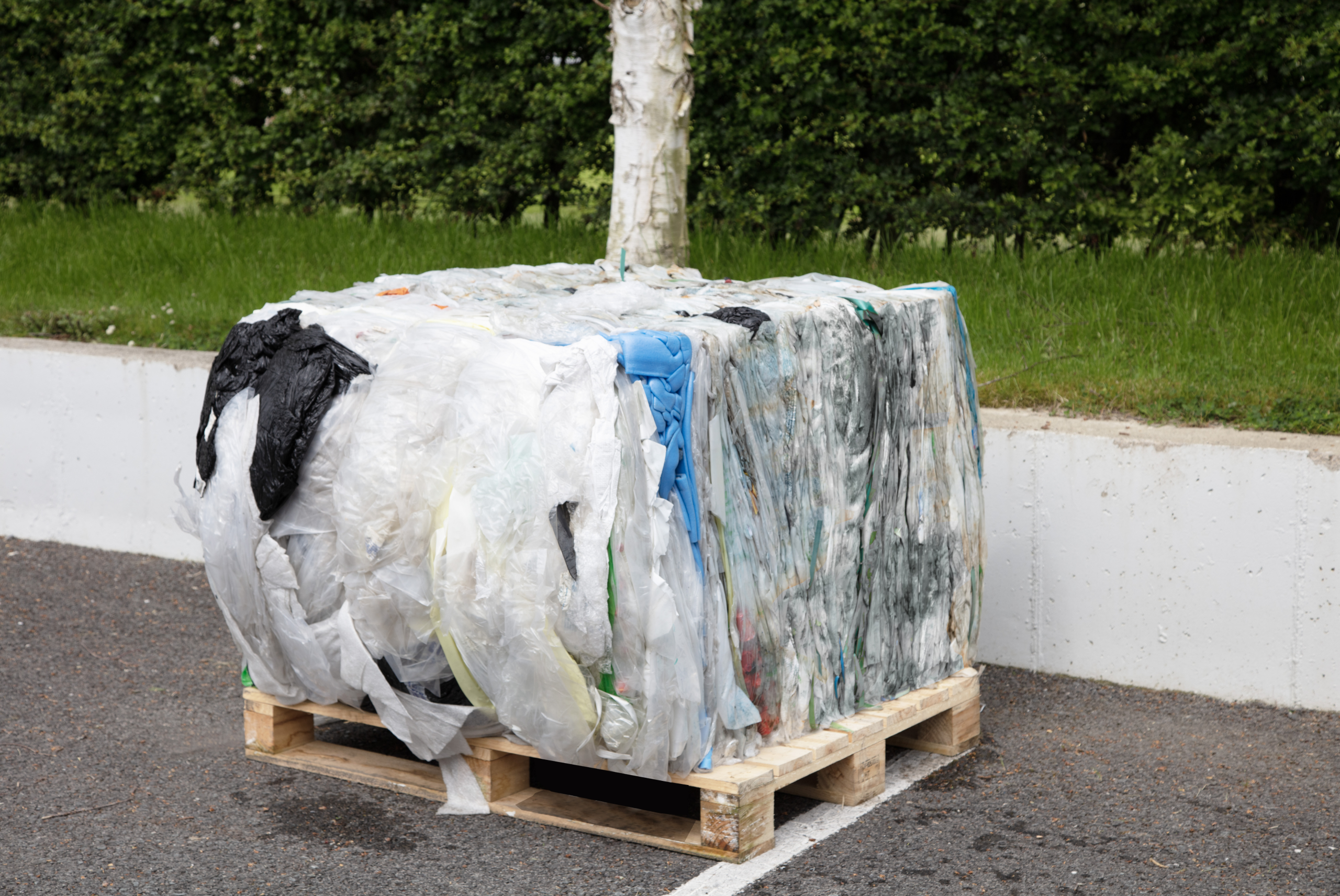
PRN Market Update 2026: Rising Prices, Evidence Shortages and the Impact on Business Waste Costs
PRN prices are rising sharply in 2026 as recycling evidence shortages and higher packaging recycling targets put pressure on the...
Read More

Whitemeadow Furniture Limited
Discover how Flame UK helped Whitemeadow Furniture simplify waste management, reduce general waste and increase recycling with one point of...
Read More
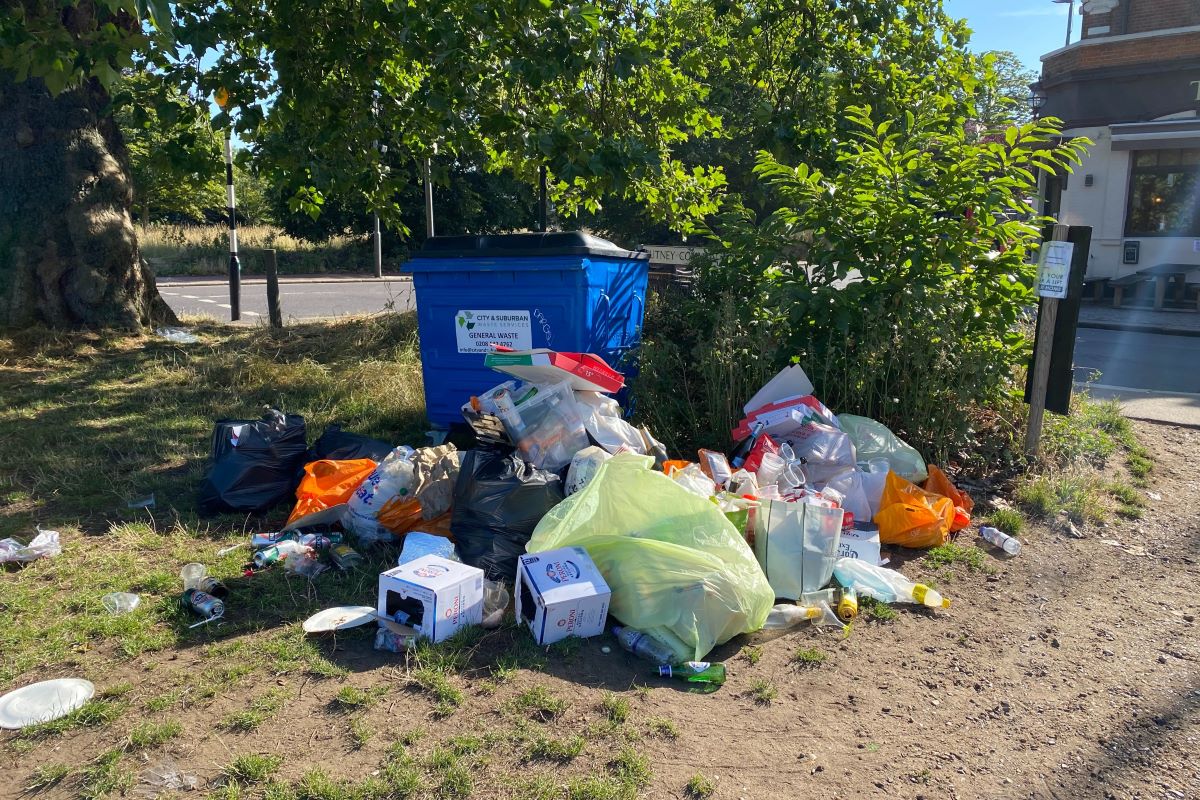
The Real Cost of Contaminated Recycling in 2026
Recycling contamination can lead to additional charges, rejected collections and poorer recycling performance. Discover what causes contaminated recycling, the warning...
Read More

EU PPWR Now Applies: What UK Businesses Need to Know
The EU Packaging and Packaging Waste Regulation (PPWR) is now generally applicable, introducing new requirements for packaging placed on the...
Read More
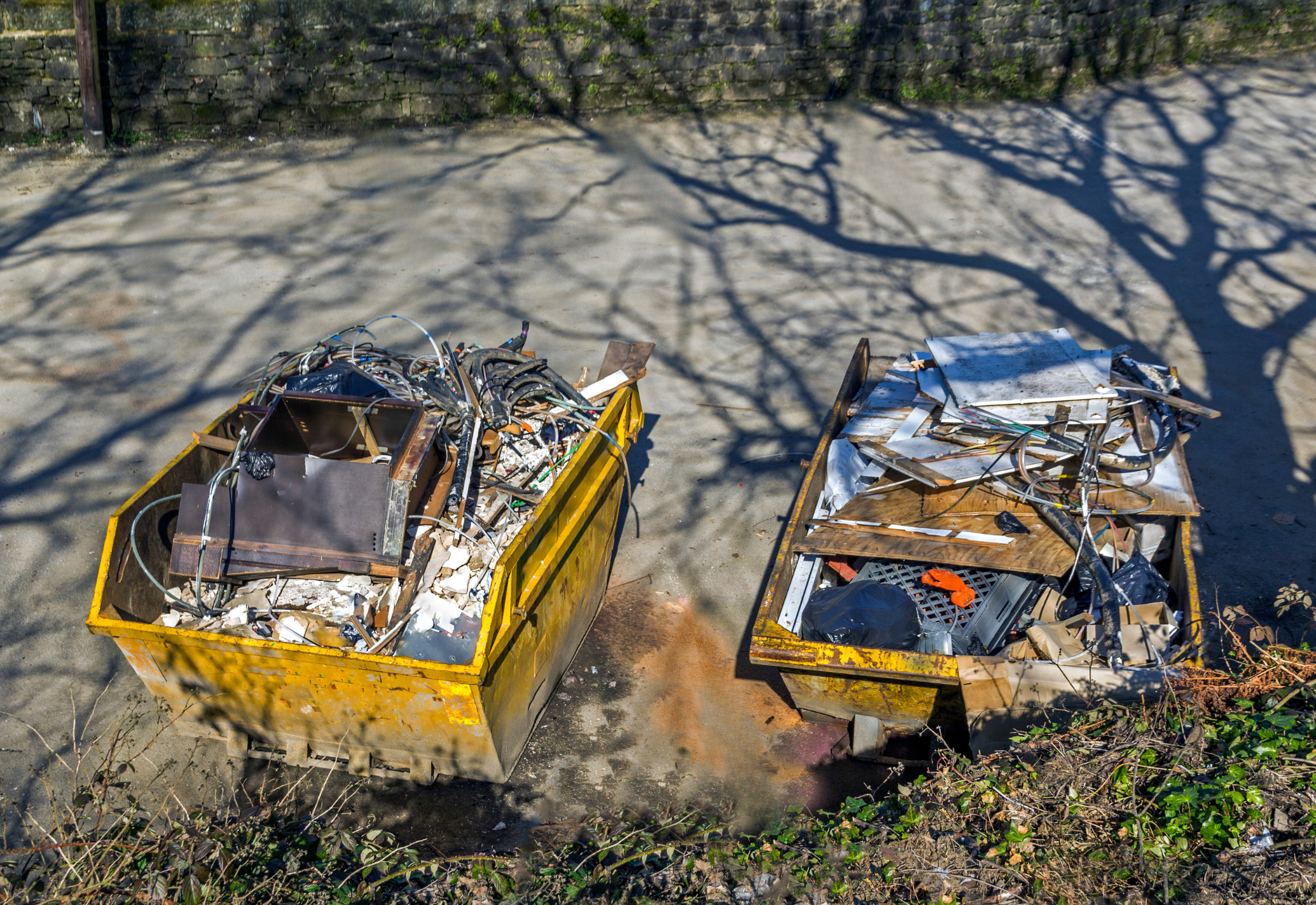
Skip Theft Prevention: How to Protect Your Waste Containers
Skip theft prevention can protect businesses from costly container theft and disruption. Learn why skips are stolen, how to identify...
Read More