




Digital Waste Tracking is now in effect. Discover what Phase 1 means for businesses, who is affected and what happens...
Read More
Food Waste in 2026: Why Removing Your Collection Isn’t an Option (and What to Do Instead)
From 2026, food waste isn’t just a sustainability goal – it’s a legal requirement for UK businesses. As Simpler Recycling comes into force, many organisations are reassessing their waste services, especially food waste collections that don’t always feel “worth it” when bins aren’t full.
We’re seeing a common question:
“If our food waste bin isn’t filling up, can we just remove the service?”
The short answer is no – but the good news is there’s a smarter, more practical way to stay compliant without overpaying or overbinning.
Food Waste Collections Are a Legal Requirement
Under Simpler Recycling regulations, businesses that produce food waste must separate it and arrange for collection – regardless of volume.
That includes:
- Offices with tea points or canteens
- Warehouses with staff kitchens
- Retail, hospitality, healthcare and education sites
Even small amounts count. Scraps, leftovers, tea bags, coffee grounds – if food waste is produced, it must be collected separately.
Removing your food waste service because the bin isn’t full could leave your business non-compliant, with potential enforcement action and reputational risk.
The Real Issue: Bin Size, Not the Service
In most cases, the problem isn’t that food waste collections aren’t needed – it’s that the bin size doesn’t match how the site actually operates.
A 240-litre (or larger) food waste bin can be excessive for:
- Smaller teams
- Low food prep environments
- Offices with hybrid working patterns
This often leads to:
- Half-empty bins at collection
- Concerns around odour or hygiene
- A feeling that the service isn’t delivering value
The solution isn’t removing food waste – it’s resizing it.
A Smarter Option: Kitchen Caddies Instead of Large Bins
For many businesses, switching to internal kitchen caddies is the most practical and cost-effective approach.
Kitchen caddies:
- Support legal compliance under Simpler Recycling
- Are ideal for low volumes of food waste
- Reduce space, odour and handling issues
- Can be collected alongside an appropriate service schedule
This approach keeps food waste manageable, hygienic, and proportionate to how your site actually operates – without risking non-compliance.
Why Keeping Food Waste Separate Still Matters
Beyond compliance, separating food waste delivers real benefits:
- Reduces contamination in general waste
- Supports anaerobic digestion and renewable energy generation
- Lowers overall waste disposal costs
- Improves sustainability reporting and ESG performance
Food waste is one of the easiest streams to get right – when it’s set up properly.
How Flame UK Helps You Get This Right
At Flame UK, we don’t believe in one-size-fits-all waste solutions. We work with businesses to align services with real usage, not assumptions.
We help by:
- Reviewing food waste volumes and site layouts
- Recommending right-sized bins or kitchen caddy solutions
- Ensuring compliance with Simpler Recycling legislation
- Reducing unnecessary cost without cutting corners
If your food waste bin isn’t filling up, that’s a conversation worth having – but removing the service isn’t the answer.
Thinking About Removing Food Waste? Let’s Talk First
If you’re considering cancelling food waste collections, now is the time to pause and reassess. A simple change in setup could keep you compliant, reduce hassle, and make the service work properly for your business.
Food waste in 2026 isn’t about ticking boxes – it’s about practical systems that make sense on site.
Flame UK is here to help you get there, simply and confidently.
Useful Links
Recent Blog Posts
PRN Market Update 2026: Rising Prices, Evidence Shortages and the Impact on Business Waste Costs
PRN prices are rising sharply in 2026 as recycling evidence shortages and higher packaging recycling targets put pressure on the...
Read More

Whitemeadow Furniture Limited
Discover how Flame UK helped Whitemeadow Furniture simplify waste management, reduce general waste and increase recycling with one point of...
Read More
The Real Cost of Contaminated Recycling in 2026
Recycling contamination can lead to additional charges, rejected collections and poorer recycling performance. Discover what causes contaminated recycling, the warning...
Read More
EU PPWR Now Applies: What UK Businesses Need to Know
The EU Packaging and Packaging Waste Regulation (PPWR) is now generally applicable, introducing new requirements for packaging placed on the...
Read More
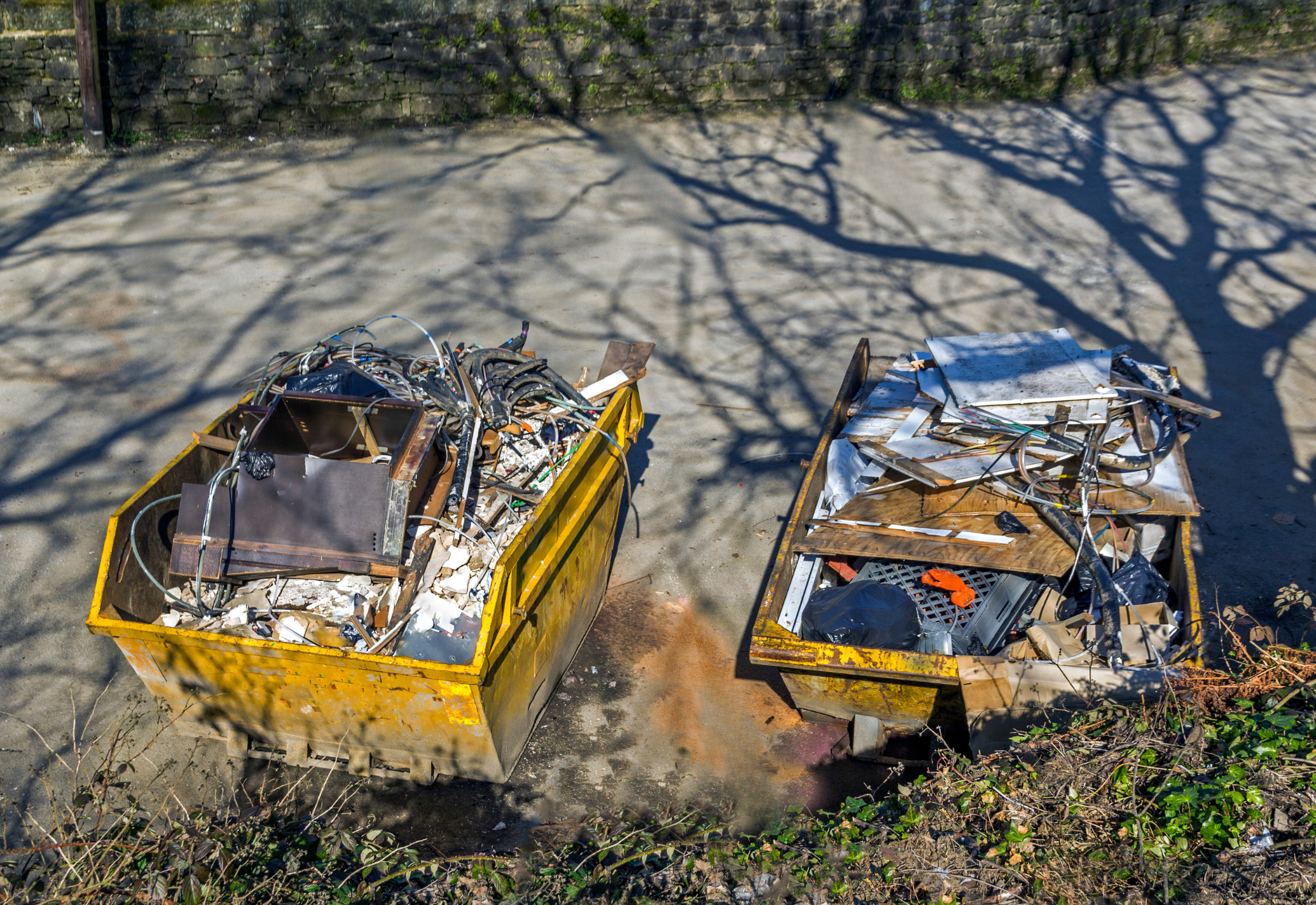
Skip Theft Prevention: How to Protect Your Waste Containers
Skip theft prevention can protect businesses from costly container theft and disruption. Learn why skips are stolen, how to identify...
Read More