





Discover how cardboard balers and roto compactors can help businesses reduce waste volumes, lower collection costs, save space and improve...
Read More
New EPR Data Reporting Rules for 2026: What UK Businesses Need to Prepare For
The UK’s Extended Producer Responsibility (EPR) regulations continue to develop, and businesses handling packaging now face additional reporting requirements from January 2026.
Following the Regulatory Position Statement (RPS) 330, businesses will need to begin collecting several additional packaging data streams from 1 January 2026, with reporting requirements following in 2026 and 2027.
For many businesses, this means greater pressure around packaging visibility, waste data accuracy, and internal reporting processes.
Here’s what businesses need to know and how Flame UK can help support compliance.
What Is RPS 330?
RPS 330 is a Regulatory Position Statement issued by the Environment Agency relating to specific EPR reporting obligations.
The update delays the mandatory reporting of several packaging data streams until 2026 and 2027, giving producers additional time to prepare systems and reporting processes.
However, businesses are still expected to begin collecting the required data from 1st January 2026.
The three key areas affected are:
- Nation of Sale data
- Self-managed organisational waste data
- Plastic and paper carrier bag reporting
Although some reporting deadlines fall in 2027, businesses that fail to collect accurate data during 2026 could face significant compliance issues later.
Nation of Sale Reporting
Data collection starts: 1st January 2026
Reporting deadline: 1st April 2027
Nation of Sale reporting applies to producers selling filled packaging directly to end users.
Businesses will need to identify where packaging has been supplied across:
- England
- Scotland
- Wales
- Northern Ireland
This reporting will include:
- Packaging material
- Packaging type
- Packaging weight
- Activity type
- Nation where the goods were sold
This is a major shift for businesses operating nationally or across multiple sites, particularly those without centralised packaging reporting systems already in place.
Defra is still expected to release additional guidance on exactly how this information must be submitted.
Self-Managed Organisational Waste Reporting
Data collection starts: 1st January 2026
First reporting deadline: 1st October 2026
This area is likely to impact a large number of businesses immediately.
Self-managed organisational waste refers to packaging waste collected directly from a company’s own sites during the reporting period.
Many businesses already receive some of this information through waste management reporting, but under the new rules, the data collection becomes mandatory.
Businesses will need accurate records relating to:
- Packaging waste generated on-site
- Waste collection volumes
- Waste stream breakdowns
- Recycling and disposal routes
If your current waste supplier is not already providing detailed reporting, now is the time to review this.
Poor visibility over waste data could create compliance risks later in 2026.
Plastic and Paper Carrier Bag Reporting
Data collection starts: 1st January 2026
Reporting deadline: 1st April 2027
Businesses supplying single-use carrier bags in England will face additional reporting requirements.
Alongside reporting the weight of bags supplied, businesses will now also need to report:
- The number of paper carrier bags supplied
- The number of plastic carrier bags supplied
This applies to both branded and plain carrier bags.
For retailers and distributors, this may require changes to internal tracking systems and supplier reporting processes.
Why These Changes Matter
The direction of travel is becoming increasingly clear across UK packaging regulations:
- More detailed reporting
- Greater data transparency
- Increased accountability
- Stronger environmental oversight
Businesses that still rely on limited waste visibility, manual spreadsheets, or fragmented supplier reporting may struggle as reporting requirements continue to expand.
The planned introduction of Digital Waste Tracking from October 2026 will further increase the importance of accurate, accessible environmental data.
How Flame UK Supports Businesses With EPR & Waste Reporting
At Flame UK, we support businesses across the UK with practical, data-led waste management and compliance support.
Our approach helps businesses improve visibility across waste streams while preparing for changing environmental regulations.
Support includes:
- Detailed waste reporting
- Multi-site waste data consolidation
- Packaging and recycling visibility
- Waste audits and segregation reviews
- Supplier performance management
- ESG and environmental reporting support
- Guidance around changing compliance requirements
Through our customer portal, businesses can access reporting data, waste trends, recycling performance, and supporting documentation in one place.
As EPR requirements continue to evolve, having accurate operational data is becoming essential, not optional.
Preparing for 2026
Although some deadlines may still feel distant, businesses should begin preparing now.
Key steps include:
- Reviewing current waste reporting processes
- Identifying gaps in packaging data
- Speaking with waste suppliers about reporting capabilities
- Improving site-level waste visibility
- Preparing for Digital Waste Tracking requirements
Businesses that act early will be in a far stronger position once mandatory reporting begins.
If your organisation needs support reviewing waste reporting, packaging visibility, or compliance readiness, Flame UK can help.
Useful Links
Recent Blog Posts
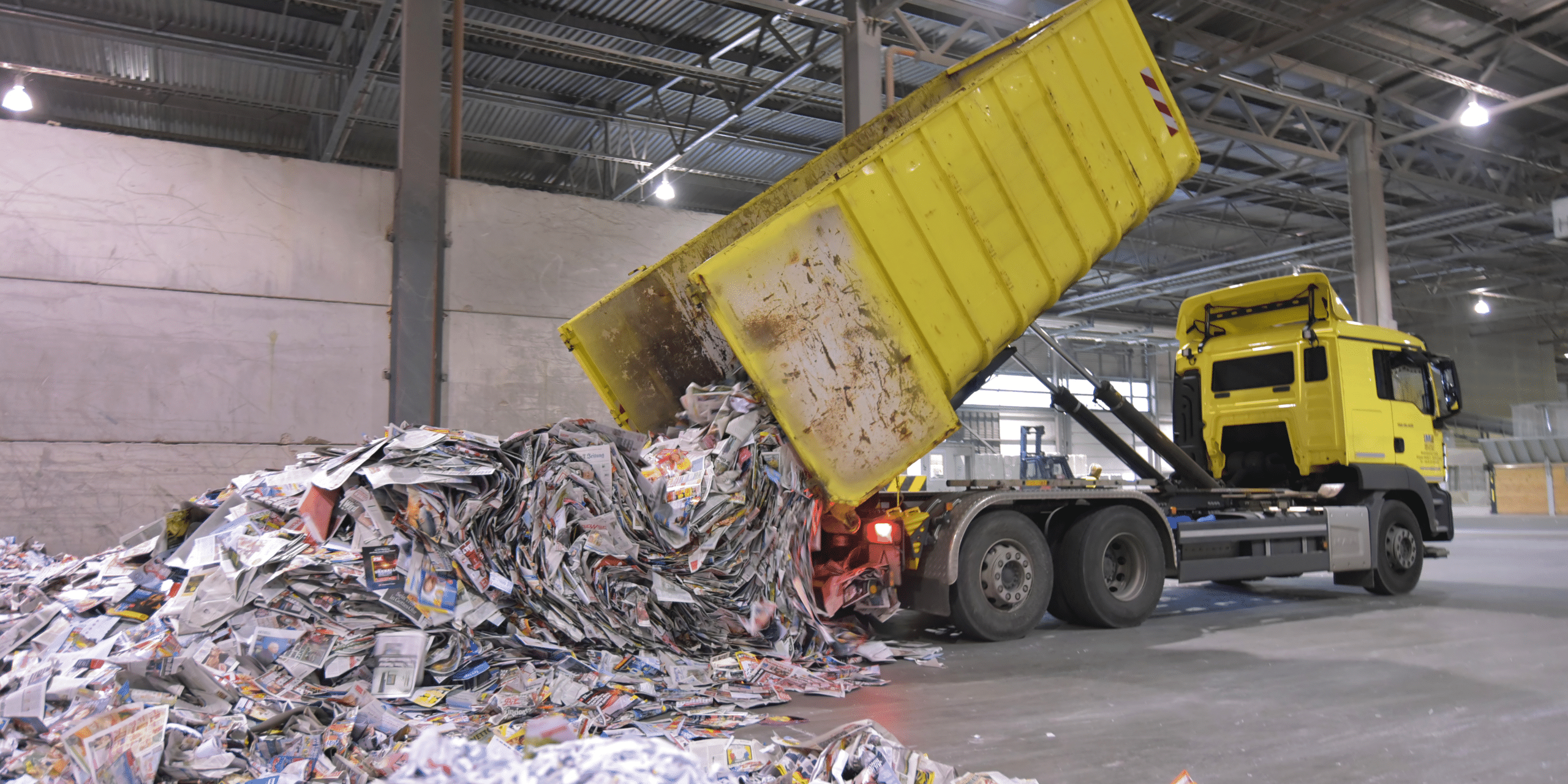
Waste Management in 2027: What Businesses Need to Prepare For
Discover the key waste management changes coming in 2027, including Simpler Recycling, Digital Waste Tracking and the Deposit Return Scheme,...
Read More
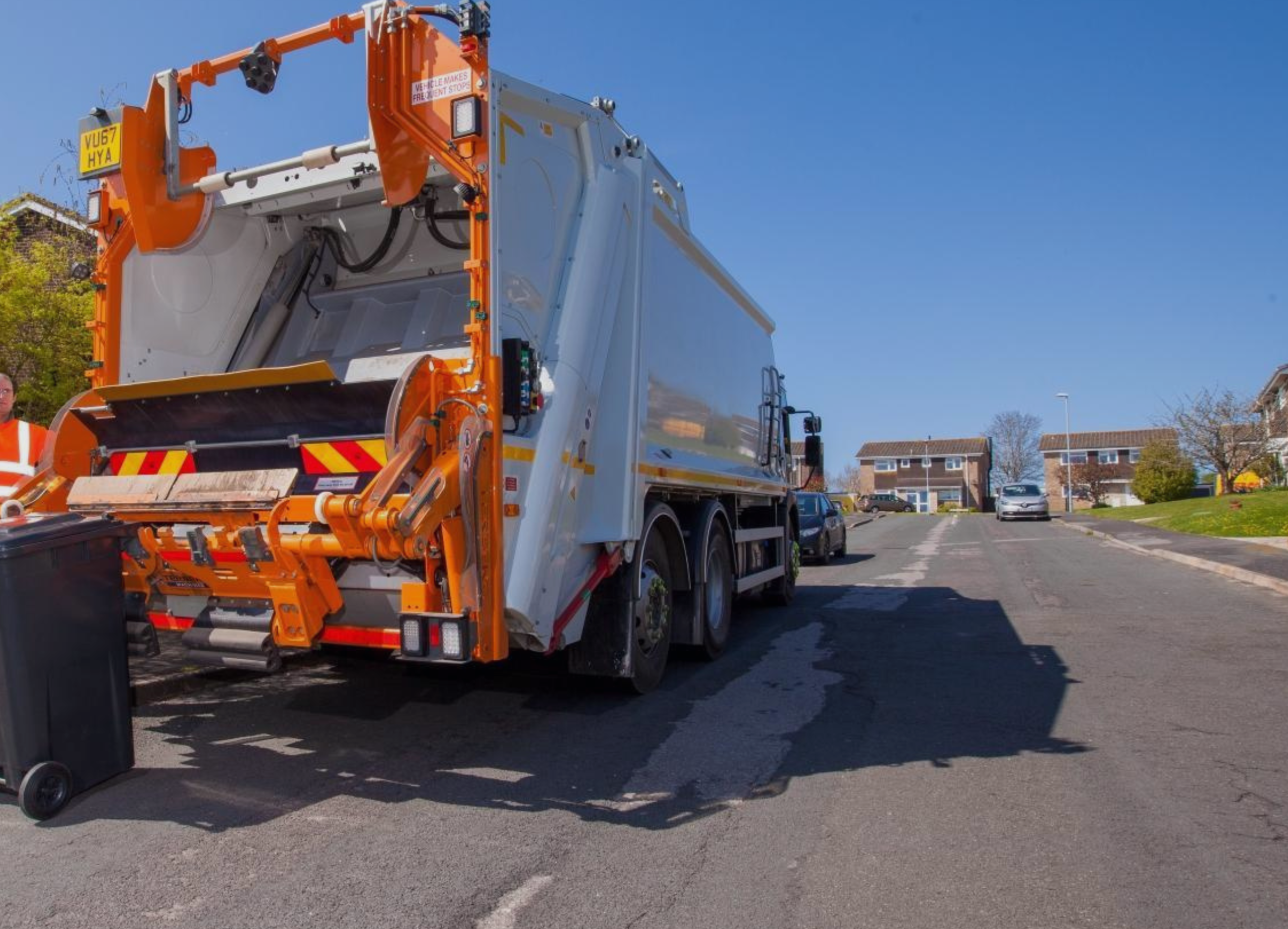
Digital Waste Tracking Is Here: What Businesses Need to Know
Digital Waste Tracking is now in effect. Discover what Phase 1 means for businesses, who is affected and what happens...
Read More

PRN Market Update 2026: Rising Prices, Evidence Shortages and the Impact on Business Waste Costs
PRN prices are rising sharply in 2026 as recycling evidence shortages and higher packaging recycling targets put pressure on the...
Read More

Whitemeadow Furniture Limited
Discover how Flame UK helped Whitemeadow Furniture simplify waste management, reduce general waste and increase recycling with one point of...
Read More
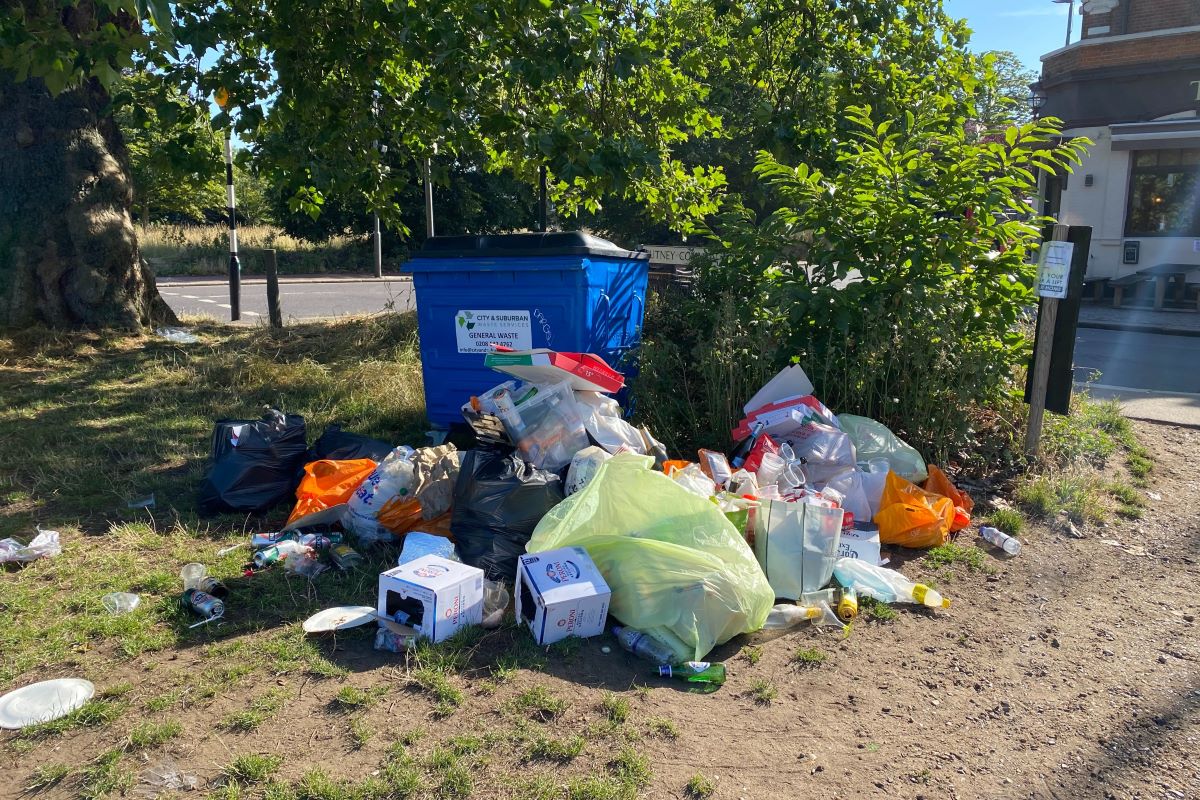
The Real Cost of Contaminated Recycling in 2026
Recycling contamination can lead to additional charges, rejected collections and poorer recycling performance. Discover what causes contaminated recycling, the warning...
Read More