




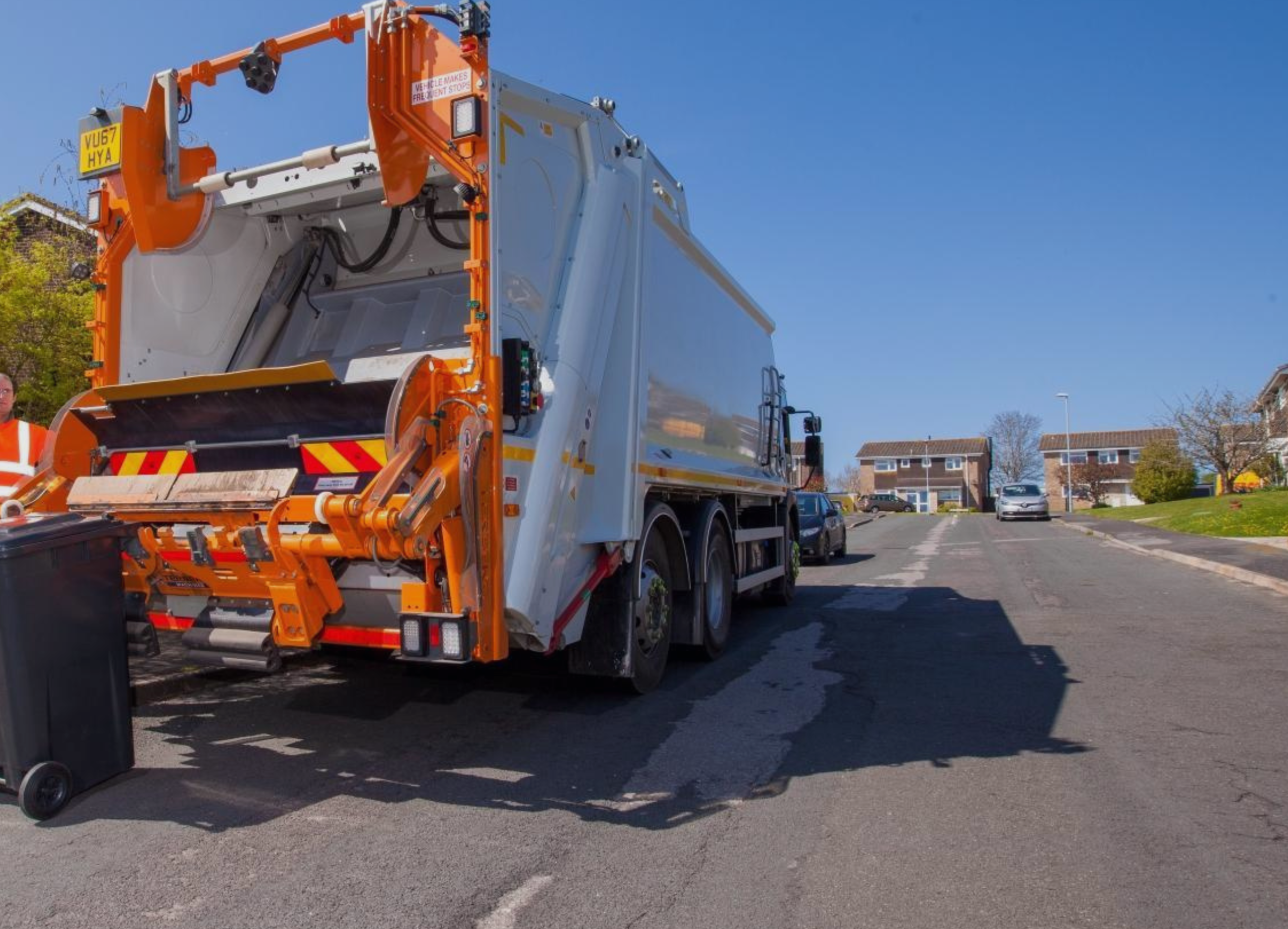
Digital Waste Tracking is now in effect. Discover what Phase 1 means for businesses, who is affected and what happens...
Read More
The Real Cost of Contaminated Recycling in 2026
Your recycling bin could be costing your business more than you realise.
For many businesses, recycling is already part of everyday operations. Containers are in place, collections are scheduled and employees are expected to separate waste correctly.
However, simply having recycling collections does not guarantee that the material will actually be recycled.
When incorrect materials enter a recycling stream, they can reduce the quality of the entire load. This can lead to additional charges, rejected collections, poorer recycling performance and, in some cases, material being treated as general waste instead.
With workplace recycling requirements continuing to evolve, reducing contamination is becoming increasingly important for businesses looking to control waste costs and improve recycling performance.
In this Article
- What recycling contamination is
- How contamination can increase waste costs
- Signs your recycling may be contaminated
- Mixed recycling and contamination risks
- How Simpler Recycling affects businesses
- Using waste data to identify contamination
- How waste audits can help
- Ways to reduce recycling contamination
- How Flame UK can help
What Is Recycling Contamination?
Recycling contamination occurs when incorrect materials are placed into a recycling container or waste stream.
Depending on the type and level of contamination, this can make materials more difficult, expensive or even impossible to recycle effectively.
Common examples of recycling contamination include:
- Food waste placed in dry mixed recycling
- Liquids left inside cans or bottles
- Plastic film mixed with cardboard
- General waste placed in recycling containers
- Materials being incorrectly segregated between waste streams
- Hazardous materials entering standard waste collections
Contamination does not always result from one major mistake. It can develop gradually as waste practices become inconsistent, signage becomes unclear or employees are unsure which container to use.
For businesses operating across multiple sites, maintaining consistent segregation can be particularly challenging.
How Can Contaminated Recycling Increase Waste Costs?
Contamination can affect more than your recycling rate. It can also have a direct impact on the cost of managing your waste.
Depending on your waste provider, facility and level of contamination, potential consequences can include:
- Contamination or additional processing charges
- Rejected recycling loads
- Additional collections or haulage
- Reduced recycling rebates for valuable materials
- Higher disposal costs if material is treated as general waste
- Poorer recycling performance
For example, if a recycling load contains too much non-recyclable material, it may not be possible to process it as intended. The waste could instead require alternative treatment or disposal, potentially increasing the overall cost.
Preventing contamination at the point where waste is produced can therefore be much more effective than dealing with the consequences afterwards.
What Are the Signs of Recycling Contamination?
Contamination is not always immediately obvious, particularly across larger or multi-site businesses.
There are, however, several warning signs worth looking out for:
- Recycling bins filling much faster than expected
- General waste containers regularly overflowing
- Repeated contamination reports or rejected loads
- Unexpected increases in collection or disposal costs
- Employees being unsure which bins to use
- Recycling rates remaining low despite recycling services being available
- Materials regularly appearing in the wrong waste streams
Container layouts can also play an important role.
If different coloured bins, labels or waste streams are used inconsistently across a site, employees may be more likely to dispose of materials incorrectly.
Is Mixed Recycling Increasing the Risk of Contamination?
Dry mixed recycling can provide businesses with a convenient way to collect several recyclable materials together, but the correct materials still need to enter the container.
Problems arise when non-recyclable or incompatible materials are added to the waste stream.
The cleaner and more consistent your recycling streams are, the easier it can be to:
- Improve recycling performance
- Reduce the risk of contamination charges
- Recover recyclable materials
- Produce more reliable waste data
- Identify opportunities for further improvements
This is particularly important as businesses place greater emphasis on understanding where their waste goes and how effectively it is being managed.
How Does Simpler Recycling Affect Businesses?
Simpler Recycling has changed workplace recycling requirements in England, requiring applicable workplaces to separate key recyclable waste streams from residual waste.
For businesses, this makes having clear and effective waste segregation processes increasingly important.
Providing the correct containers is only part of the process. Businesses also need to consider whether employees understand how waste should be separated and whether their current setup makes correct disposal straightforward.
Poor segregation can undermine otherwise effective recycling arrangements and make it more difficult to achieve accurate waste reporting..
Why Is Waste Data Important for Reducing Contamination?
One of the biggest challenges for businesses is identifying where contamination is actually occurring.
A single site may have an obvious problem, but across a larger estate, patterns can be much harder to identify without reliable waste data.
Good waste visibility can help businesses:
- Compare recycling performance between locations
- Identify recurring contamination issues
- Track changes in recycling rates
- Spot unusual increases in waste volumes
- Identify unnecessary collection or disposal costs
- Improve environmental and sustainability reporting
For example, if one location consistently has a much lower recycling rate than comparable sites, it could indicate a problem with segregation, container placement or employee awareness.
Rather than treating contamination as an isolated waste issue, data allows businesses to identify patterns and address the underlying cause.
How Can a Waste Audit Reduce Recycling Contamination?
A waste audit provides an opportunity to look at what is actually being thrown away and whether your current waste setup reflects the needs of the site.
An audit can help identify:
- The types and volumes of waste being produced
- Where contamination is occurring
- Whether the right containers are being used
- Whether containers are positioned effectively
- Opportunities to separate additional materials
- Potential areas of unnecessary waste expenditure
The solution does not always require major operational changes.
Improvements could be as straightforward as introducing clearer signage, repositioning containers, providing employee guidance, changing collection frequencies or separating a problematic waste stream.
Small changes at the point of disposal can have a significant impact across a high-volume or multi-site operation.
How Can Businesses Reduce Recycling Contamination?
Reducing contamination starts with making correct waste disposal as simple as possible.
Businesses should consider:
- Using clear and consistent recycling signage
- Positioning recycling and general waste containers logically
- Making waste streams consistent across different areas and sites
- Providing employees with straightforward recycling guidance
- Reviewing contamination reports from waste providers
- Regularly monitoring recycling and waste data
- Carrying out periodic waste audits
- Reviewing whether additional waste streams should be separated
Waste arrangements should also be reviewed as a business changes. New locations, changes in production, different materials and increasing employee numbers can all affect the type and volume of waste being produced.
How Flame UK Can Help
At Flame UK, we help businesses understand what is happening across their waste streams and identify practical opportunities to improve performance.
Our support can include:
- Waste audits and site reviews
- Waste segregation guidance
- Bespoke signage support
- Container and collection optimisation
- Multi-site waste reporting
- Compliance documentation
- Ongoing account management
Businesses can also use the Flame UK Portal to access waste data, recycling performance, costs, collection information and compliance documentation in one place.
Greater visibility makes it easier to identify unusual trends, compare locations and make informed decisions about how waste is managed.
Take Control of Your Recycling Performance
Contaminated recycling can increase costs, reduce recycling performance and make effective waste management more difficult.
The key is identifying problems before they become expensive.
By combining clear waste segregation, employee awareness, regular reviews and reliable waste data, businesses can reduce contamination and get more value from their recycling services.
If you would like to understand how your current waste arrangements are performing, speak to the Flame UK team.
📧 businessdevelopment@flameuk.co.uk
📞 0115 896 5460
Useful Links
Recent Blog Posts
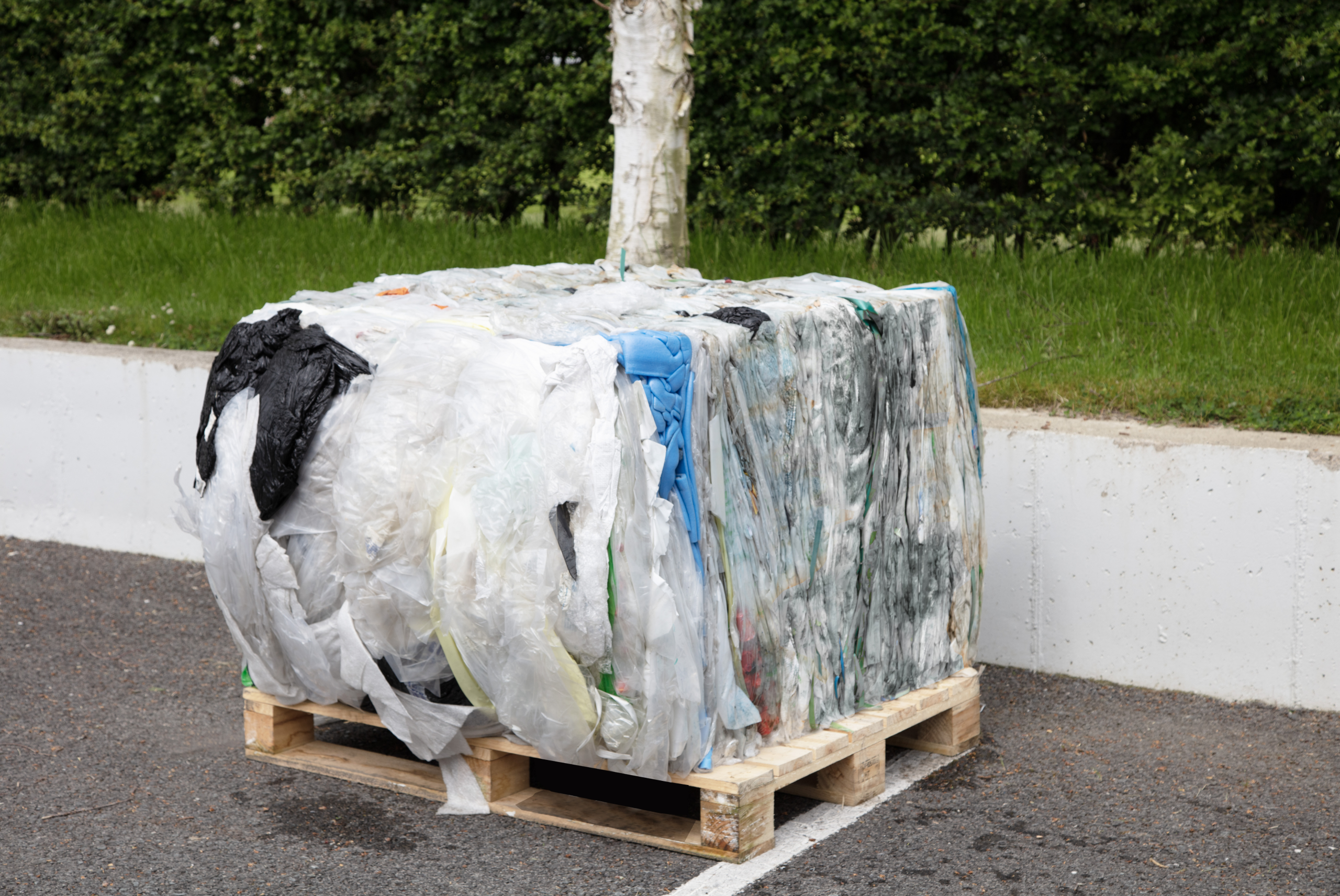
PRN Market Update 2026: Rising Prices, Evidence Shortages and the Impact on Business Waste Costs
PRN prices are rising sharply in 2026 as recycling evidence shortages and higher packaging recycling targets put pressure on the...
Read More

Whitemeadow Furniture Limited
Discover how Flame UK helped Whitemeadow Furniture simplify waste management, reduce general waste and increase recycling with one point of...
Read More
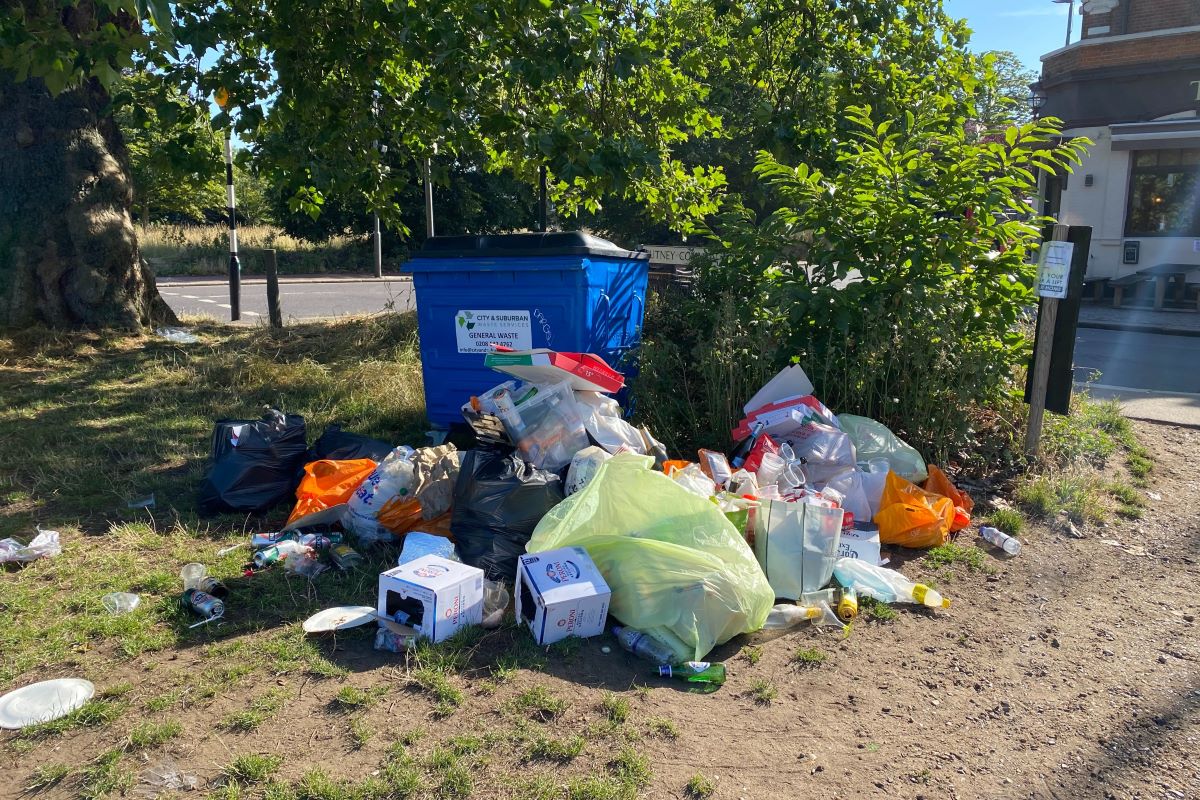
The Real Cost of Contaminated Recycling in 2026
Recycling contamination can lead to additional charges, rejected collections and poorer recycling performance. Discover what causes contaminated recycling, the warning...
Read More

EU PPWR Now Applies: What UK Businesses Need to Know
The EU Packaging and Packaging Waste Regulation (PPWR) is now generally applicable, introducing new requirements for packaging placed on the...
Read More
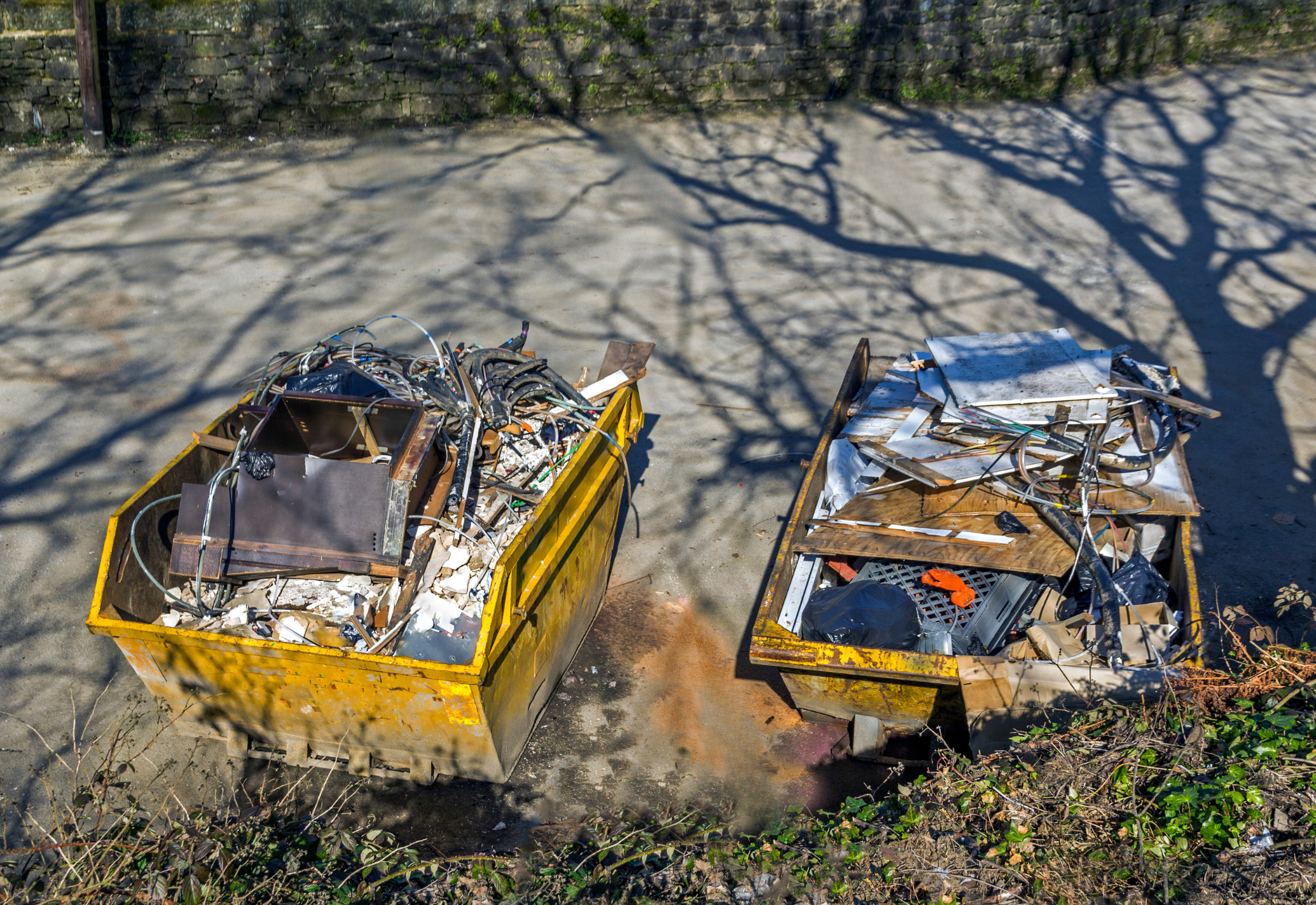
Skip Theft Prevention: How to Protect Your Waste Containers
Skip theft prevention can protect businesses from costly container theft and disruption. Learn why skips are stolen, how to identify...
Read More
Frequently
Asked Questions
Clear answers to common questions about recycling contamination, including what causes it, how it can affect waste costs and practical ways businesses can improve recycling performance.
What is recycling contamination?
Recycling contamination occurs when incorrect or non-recyclable materials are placed into a recycling waste stream. This can reduce the quality of recyclable material and make it more difficult or expensive to process.
Can businesses be charged for contaminated recycling?
Potentially. Charges depend on the waste provider, contract and severity of the contamination. A contaminated load may require additional sorting, be rejected or need to be treated through an alternative waste stream.
What are the most common causes of recycling contamination?
Common causes include food entering dry mixed recycling, liquids remaining inside containers, general waste being placed in recycling bins and employees being unsure how different materials should be segregated.
How can businesses prevent recycling contamination?
Clear signage, conveniently positioned containers, consistent waste streams, employee guidance and regular monitoring can all help reduce contamination. Waste audits can also identify specific problems within a site.
Can a waste audit reduce recycling costs?
A waste audit can identify inefficient collections, inappropriate container sizes, contamination and opportunities to improve segregation. Addressing these issues may help businesses reduce unnecessary waste management costs and improve recycling performance.
How does Simpler Recycling affect recycling contamination?
Simpler Recycling requires applicable workplaces in England to separate key recyclable waste streams from residual waste. Clear segregation, consistent containers and straightforward guidance can help employees dispose of waste correctly, reducing the risk of contamination and supporting better recycling performance.