





Discover how cardboard balers and roto compactors can help businesses reduce waste volumes, lower collection costs, save space and improve...
Read More
Rising Waste Costs, How Smarter Recycling and Circularity Can Offset Increases
When waste costs rise, the default response for many businesses is to add more recycling. More bins. More collections. More streams.
But more recycling does not automatically mean lower costs.
In reality, effective recycling is not about volume. It’s about quality, accuracy and alignment. In many cases, refining what already exists delivers better results than adding complexity that is harder to manage and more expensive to run.
What Effective Recycling Really Looks Like
Better recycling starts with getting the basics right. That means focusing on:
If you are in scope, your legal duties may include:
- Correct material separation at source
- Matching waste streams to the right treatment outlets
- Reducing contamination before it happens
- Aligning collection frequencies to actual volumes
When these elements are in place, recycling performs as it should. When they aren’t, even high recycling rates can drive up costs through contamination charges, rejected loads and unnecessary collections.
Circularity: Turning Waste Into Value
Recycling is only one part of the picture. Circular solutions go further by keeping materials in use for longer and recovering value where possible.
Depending on the waste stream, this can include:
- Material rebates for clean, high-quality recyclables
- Closed-loop recycling, where materials return into the same supply chain
- Reprocessing and recovery solutions beyond standard recycling
- Reduced exposure to disposal and landfill-linked costs
For some businesses, these opportunities can partially, or even fully, offset annual cost increases. The key is understanding which streams have value and which simply need tighter control.
Why Data Changes the Conversation
One of the biggest barriers to controlling waste costs is a lack of visibility.
Without accurate data, it becomes difficult to:
- Identify inefficiencies across sites
- Track where contamination is occurring
- Measure recycling performance properly
- Benchmark progress over time
- Justify operational changes internally
A data-led approach replaces assumptions with evidence. It allows decisions to be made based on what is actually happening on site, not what is expected to be happening.
This is often where businesses uncover cost-saving opportunities they didn’t realise existed.
Planning Early Makes the Difference
Timing matters. Businesses that engage early, well ahead of annual price reviews, are far better positioned to manage the impact of rising costs.
Early planning creates time to:
- Review waste streams and service configurations
- Improve segregation at source
- Educate staff and site teams
- Explore alternative treatment and recovery routes
- Build mitigation measures into budgets
Waiting until prices change often limits available options and turns planning into reaction.
How Flame UK Helps Clients Stay in Control
At Flame UK, our role is to help customers move away from reactive conversations and towards planned outcomes.
We support this by:
- Reviewing waste data to identify inefficiencies
- Improving recycling performance and segregation
- Reducing contamination and disposal exposure
- Exploring circular and rebate opportunities
- Providing education and guidance through Flame Sustain
- Supporting proactive planning, not last-minute response
Our focus is simple: helping customers offset rising industry costs wherever possible through smarter waste management.
Turning Pressure Into Progress
Rising waste costs are not going away. But they don’t have to mean higher overall spend.
With the right insight, education and planning, businesses can reduce risk, improve performance and protect budgets, even in a challenging cost environment.
The key is to act early, understand the detail, and take control of what can be controlled.
Useful Links
Recent Blog Posts
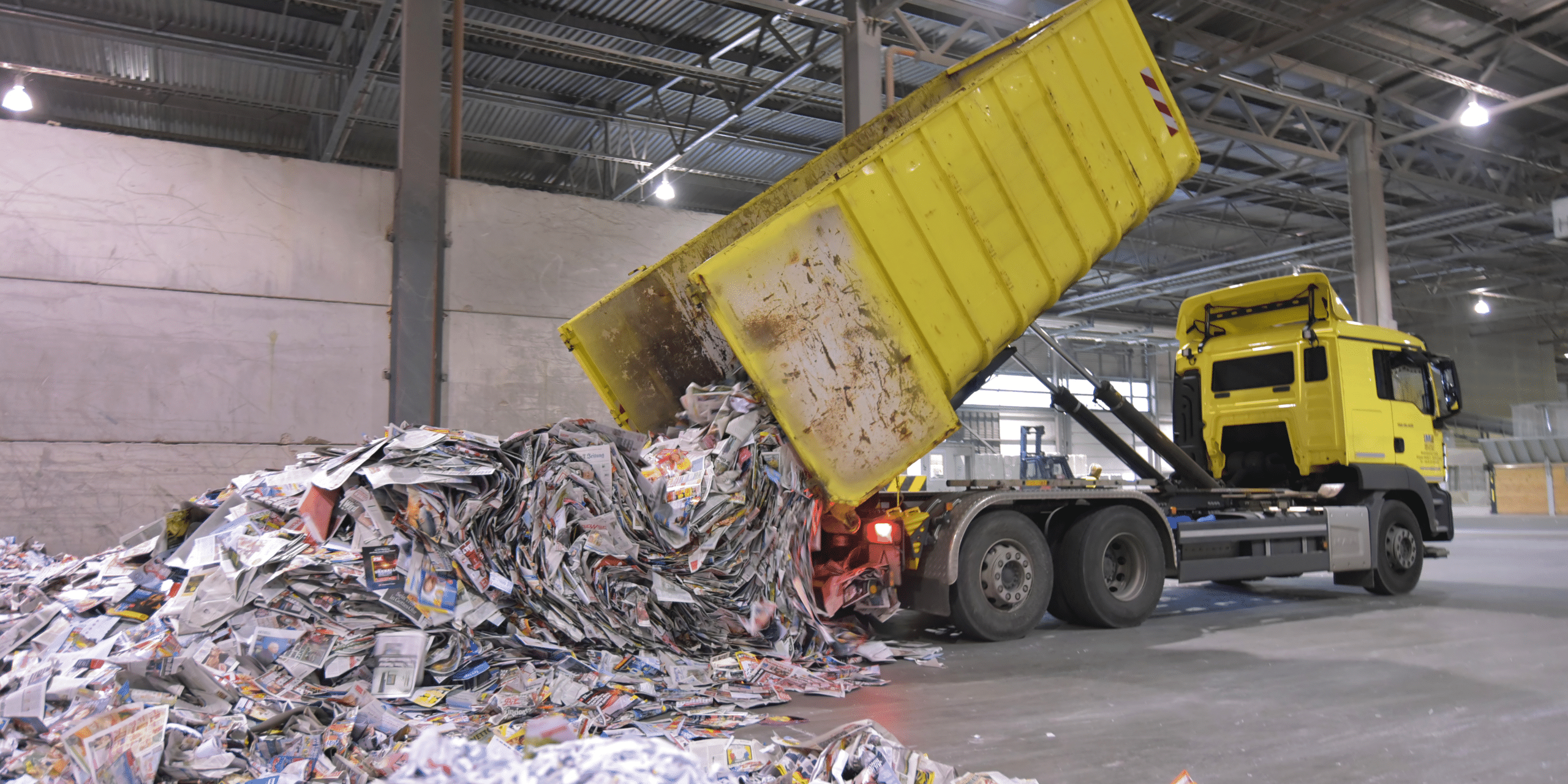
Waste Management in 2027: What Businesses Need to Prepare For
Discover the key waste management changes coming in 2027, including Simpler Recycling, Digital Waste Tracking and the Deposit Return Scheme,...
Read More
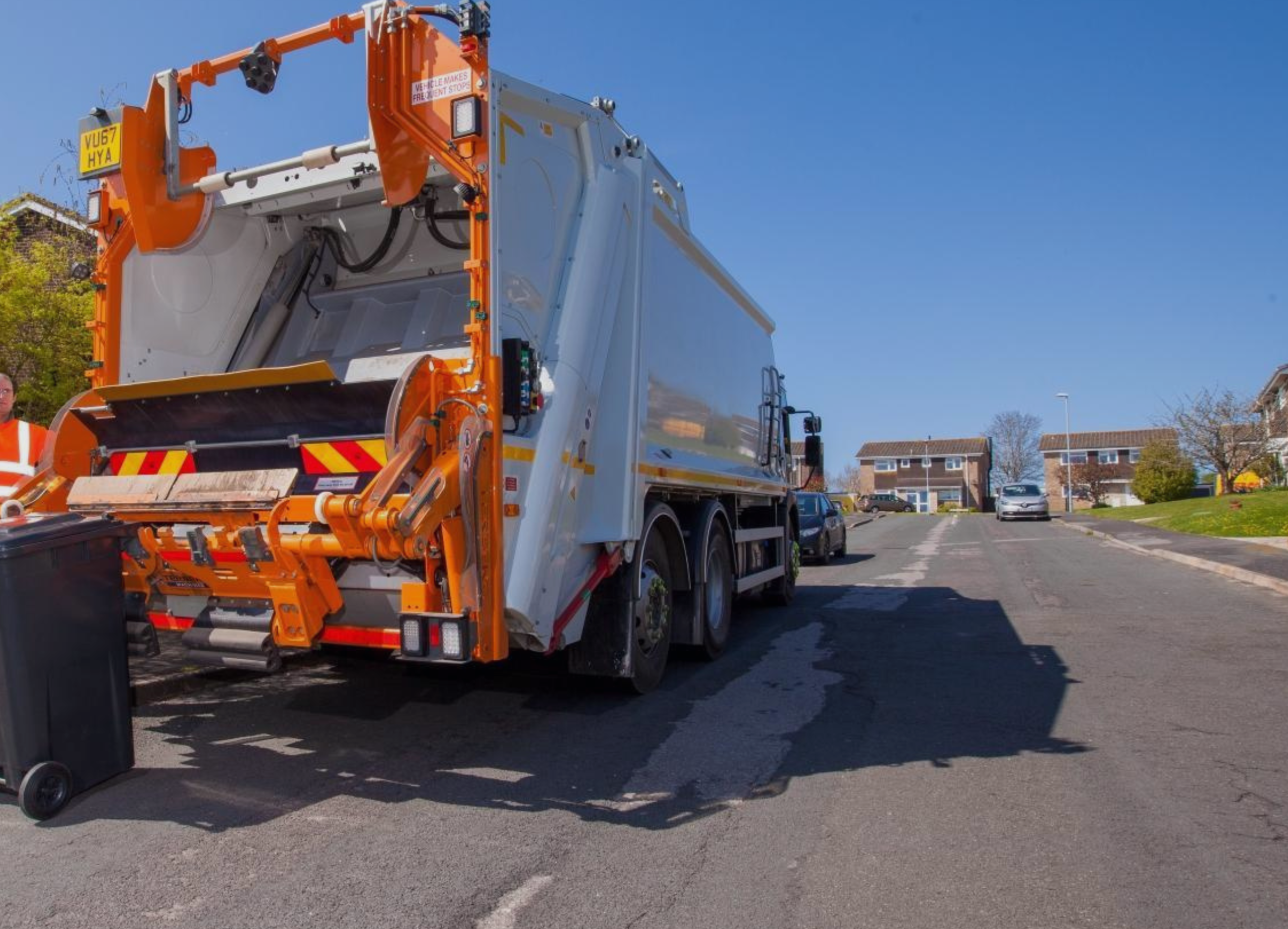
Digital Waste Tracking Is Here: What Businesses Need to Know
Digital Waste Tracking is now in effect. Discover what Phase 1 means for businesses, who is affected and what happens...
Read More
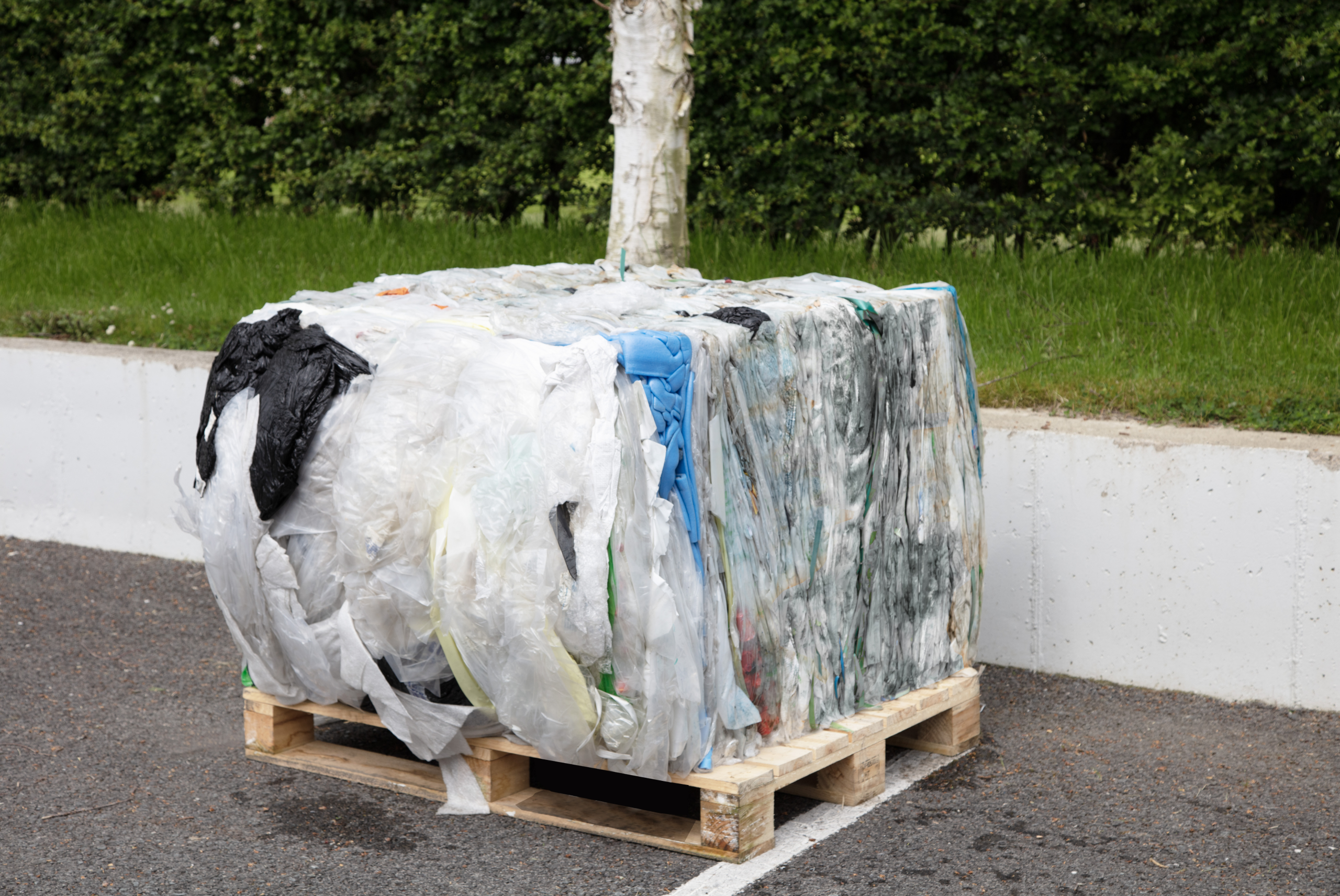
PRN Market Update 2026: Rising Prices, Evidence Shortages and the Impact on Business Waste Costs
PRN prices are rising sharply in 2026 as recycling evidence shortages and higher packaging recycling targets put pressure on the...
Read More

Whitemeadow Furniture Limited
Discover how Flame UK helped Whitemeadow Furniture simplify waste management, reduce general waste and increase recycling with one point of...
Read More
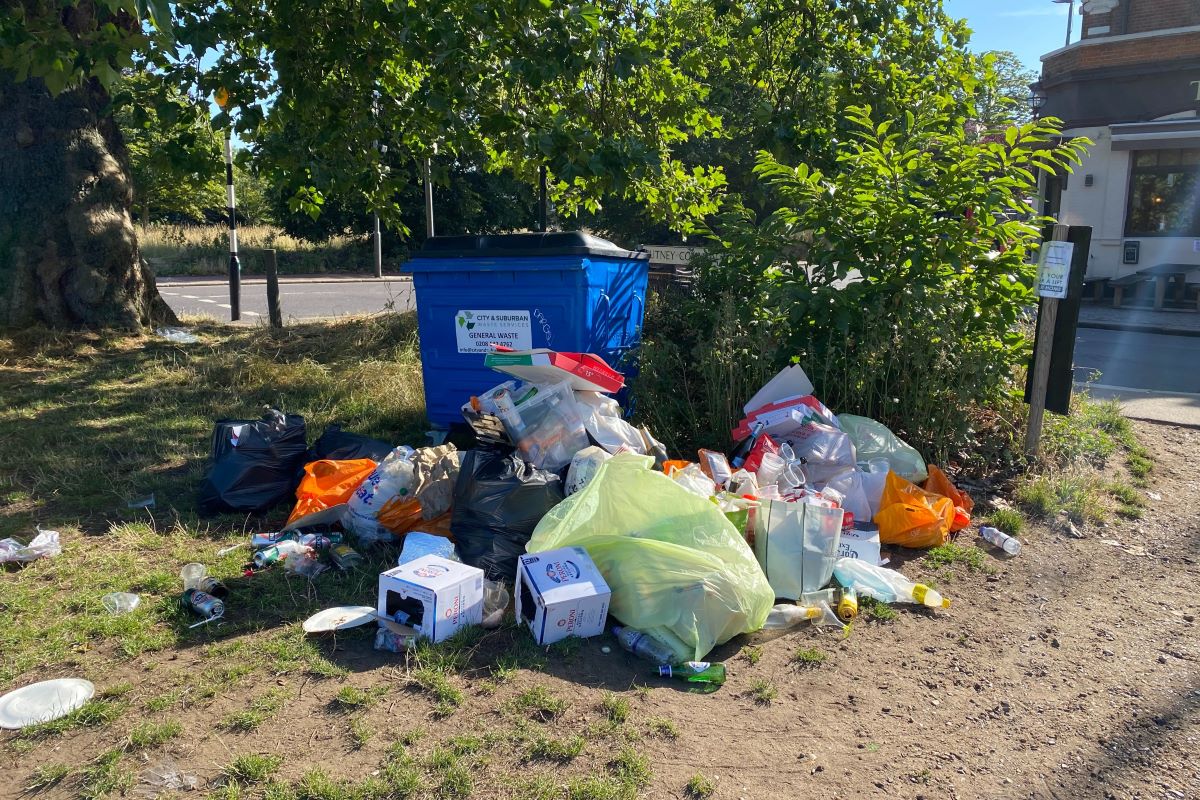
The Real Cost of Contaminated Recycling in 2026
Recycling contamination can lead to additional charges, rejected collections and poorer recycling performance. Discover what causes contaminated recycling, the warning...
Read More