




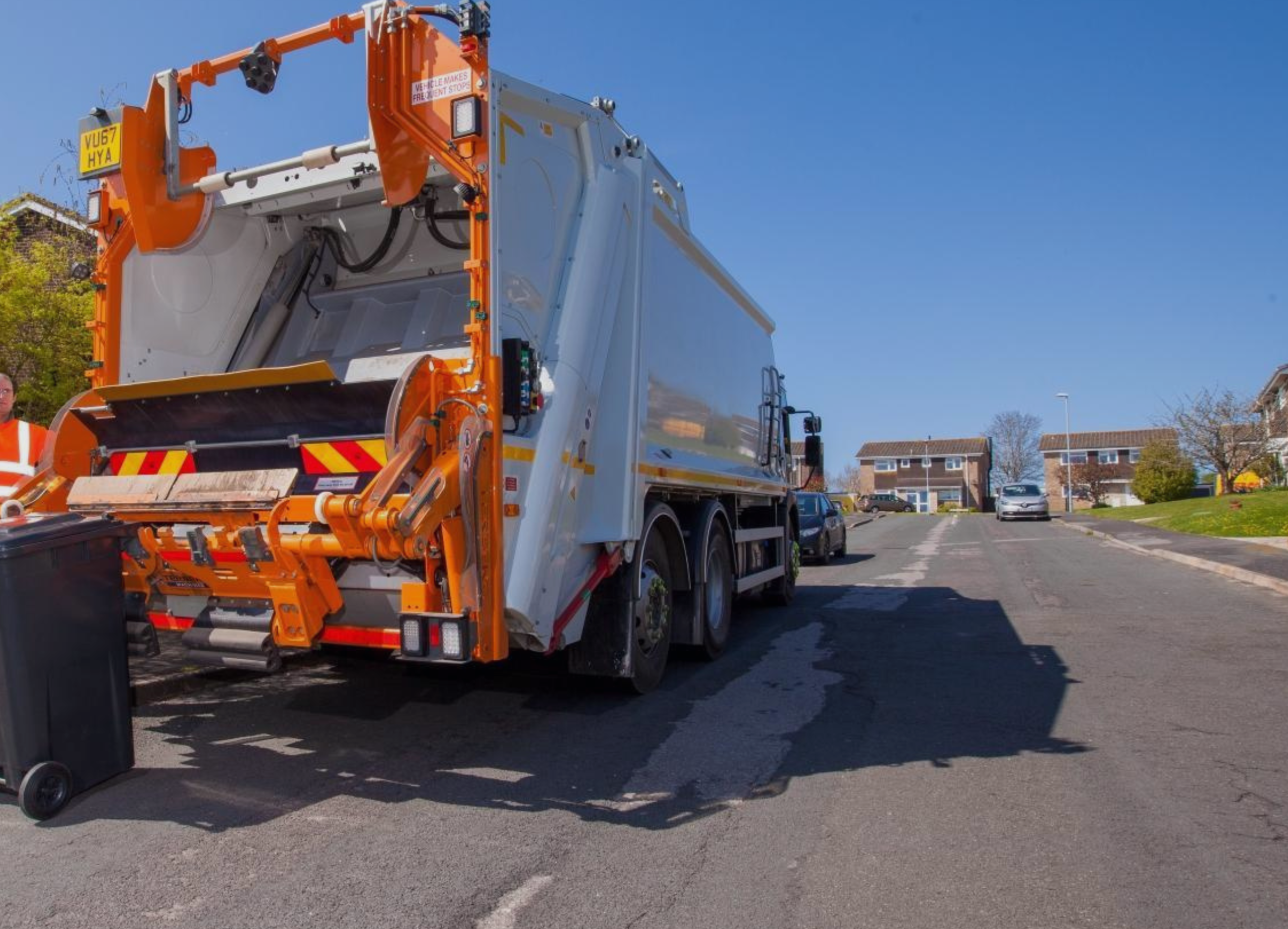
Digital Waste Tracking is now in effect. Discover what Phase 1 means for businesses, who is affected and what happens...
Read More
Simpler Recycling fines explained. Cutting through the headlines
Recent media coverage has suggested that the government’s Simpler Recycling reforms will introduce £400 fines for recycling the wrong items. The story has appeared across several national newspapers and has understandably caused concern among households and organisations alike.
The reality is far less dramatic and far more practical.
With Simpler Recycling coming into force from 31 March, it is worth separating fact from fiction and focusing on what these reforms are actually designed to do for households, businesses and local authorities.
No new £400 fines are being introduced
Despite the headlines, Simpler Recycling does not create a new £400 penalty for incorrect recycling. There is no change that suddenly turns everyday waste mistakes into criminal offences for households.
Any enforcement linked to the presentation of household waste in England remains a civil matter. Fixed Penalty Notices can only be issued after a written warning and only where incorrect waste presentation is causing a genuine nuisance. Where penalties are applied, they typically sit between £60 and £80.
The reforms are about improving consistency and quality, not increasing punishment.
“Prohibited” does not mean banned
Much of the confusion stems from the use of the word “prohibited” in media reports.
The items referenced are not banned from disposal by households. They are listed in government guidance as not being suitable for certain recycling streams under Simpler Recycling. That distinction matters.
Most of these items can still be placed in general waste at home. Others, such as batteries and electrical equipment, should be handled through existing specialist collection routes. These requirements are not new, but the guidance is now clearer.
The bigger picture is consistency
Simpler Recycling is designed to bring greater consistency to recycling across England. For years, different rules in different areas have created confusion for households, increased contamination and reduced recycling quality.
From March, the same core materials will be collected for recycling nationwide, with food waste collections becoming standard for households. Local authorities will still run services in ways that work for their areas, but the baseline will be the same.
A Defra spokesperson said:
B“From March, every household in England will receive weekly food waste collections and will have the same materials collected for recycling.
“Local authorities will continue to deliver services in a way that works best for their area, but these reforms will end the postcode lottery of bin collections and help keep our streets cleaner.” DEFRA
For businesses operating across multiple sites, this move towards consistency also brings real benefits. Clearer streams and aligned rules make compliance simpler and recycling outcomes stronger.
Clear guidance reduces risk
If Successful recycling relies on clear communication. Local authorities remain responsible for explaining what goes in each waste stream and how collections work locally, particularly for households adapting to the changes.
When guidance is clear and consistent, contamination drops and enforcement becomes the exception, not the norm. Simpler Recycling supports this by reducing grey areas and aligning expectations across the country.
What this means in practice
Simpler Recycling is not about catching households or organisations out. It is about setting clearer rules, improving material quality and making recycling work better across the system.
For organisations, the direction is clear. Better separation, clearer streams and fewer local variations to manage.
How Flame UK can help
If you want to understand how Simpler Recycling affects your operations, we can help you make sense of it and keep things running smoothly.
Whether you manage a single site or multiple locations, the changes bring practical considerations around waste streams, labelling, collections and communication.
We work with organisations to translate regulation into clear, workable solutions. That means reviewing your current setup, aligning it with the new requirements and putting straightforward guidance in place that actually gets followed.
Simpler Recycling is about consistency. With the right support, it becomes an opportunity to streamline waste management, improve recycling quality and take unnecessary complexity out of compliance.
Useful Links
Recent Blog Posts
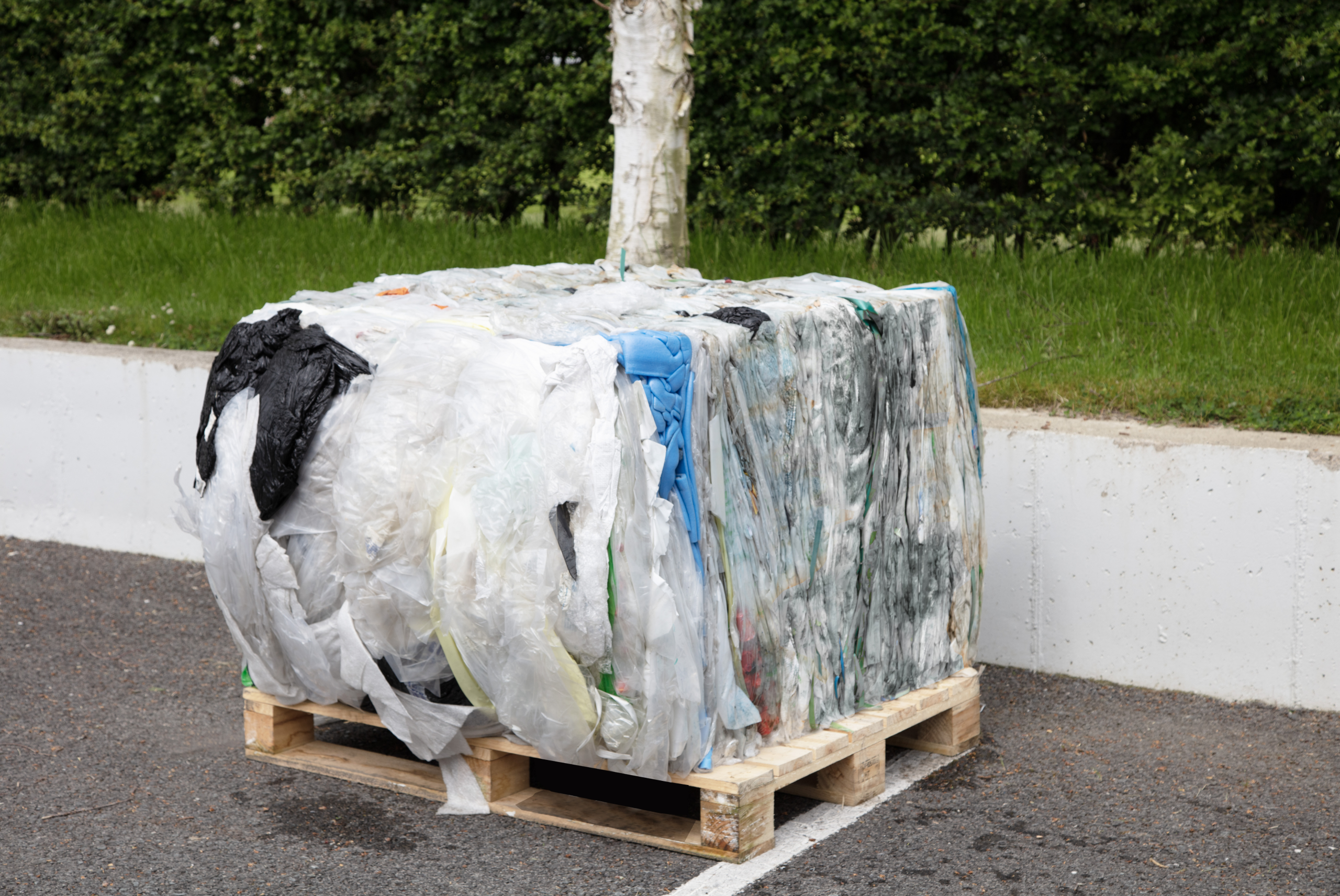
PRN Market Update 2026: Rising Prices, Evidence Shortages and the Impact on Business Waste Costs
PRN prices are rising sharply in 2026 as recycling evidence shortages and higher packaging recycling targets put pressure on the...
Read More

Whitemeadow Furniture Limited
Discover how Flame UK helped Whitemeadow Furniture simplify waste management, reduce general waste and increase recycling with one point of...
Read More
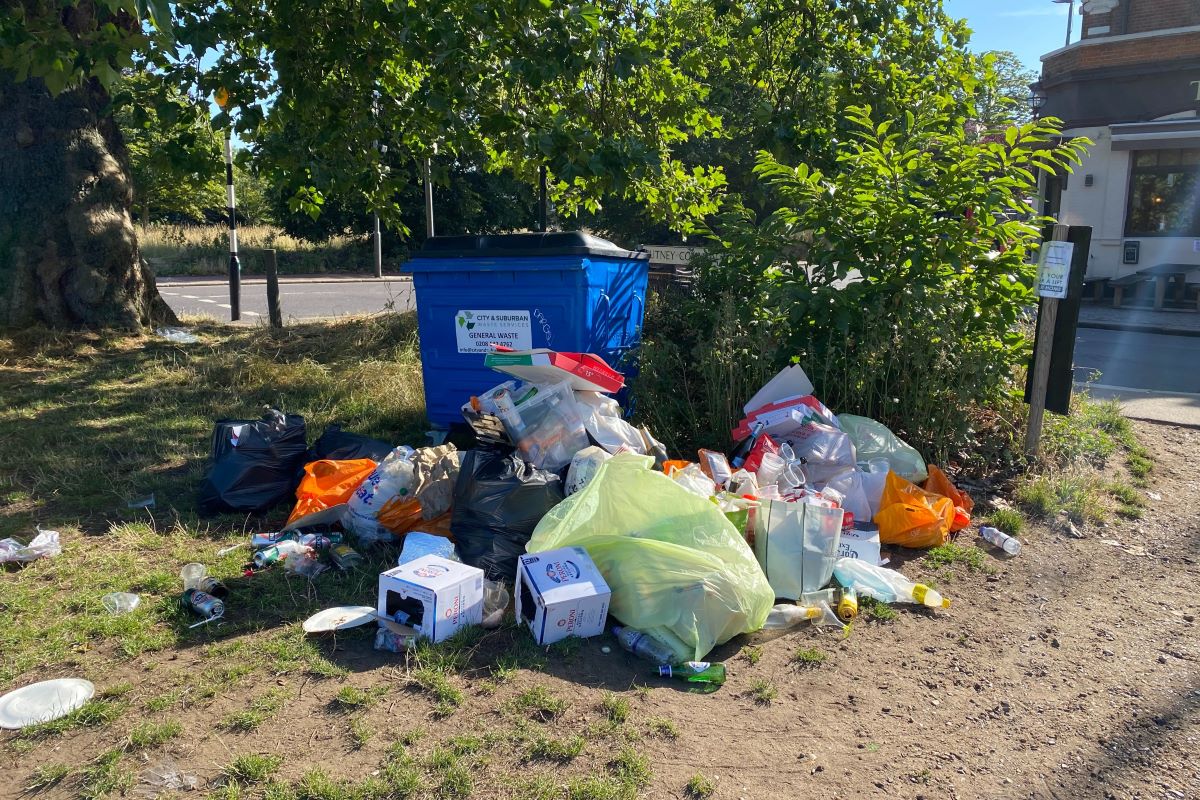
The Real Cost of Contaminated Recycling in 2026
Recycling contamination can lead to additional charges, rejected collections and poorer recycling performance. Discover what causes contaminated recycling, the warning...
Read More

EU PPWR Now Applies: What UK Businesses Need to Know
The EU Packaging and Packaging Waste Regulation (PPWR) is now generally applicable, introducing new requirements for packaging placed on the...
Read More

Skip Theft Prevention: How to Protect Your Waste Containers
Skip theft prevention can protect businesses from costly container theft and disruption. Learn why skips are stolen, how to identify...
Read More