




Discover how cardboard balers and roto compactors can help businesses reduce waste volumes, lower collection costs, save space and improve...
Read More
Updated Agency Guidance on Waste Wood: What Producers Must Know in 2026
In January 2026, UK regulators drew a clear line around how treated waste wood can and cannot be used.
New joint guidance from the Environment Agency, Natural Resources Wales, SEPA and the Animal & Plant Health Agency tightens expectations across the entire supply chain. If you produce, process or supply waste wood–derived materials, this applies directly to you.
This is not a minor technical update or a change in wording. It is a firm statement about risk, responsibility and enforcement.
For producers, it changes what is acceptable, and it makes it clear that assumptions are no longer enough.
What has actually changed?
The headline is simple.
Treated waste wood must not be used in applications where there is any potential risk to animal health, human health or the environment.
Regulators have also clarified something that has historically caused confusion. Treated wood does not just mean painted or preservative-soaked timber.
It includes common panel products such as:
- Chipboard
- MDF
- Particle board
- Plywood
These materials are classed as treated because they are manufactured using resins, binders and chemical additives, even when they look clean or untreated.
That removes the grey area many businesses relied on. Even pre-consumer offcuts or factory waste from these products cannot automatically be considered low risk.
If it contains manufactured binders or additives, it is treated wood.
Why regulators are taking a firmer stance
Agencies are increasingly concerned about where treated wood ends up once it leaves the waste sector. When materials are reused in bedding, animal housing, landscaping or other biological or land-based applications, the consequences are harder to control.
Known and potential issues include:
- Chemical binders leaching into soil
- Exposure or ingestion by animals
- Contamination risks further down the chain
- Impacts on assurance schemes and environmental compliance
In short, once treated wood is in the wrong place, it is very difficult to put the problem back in the box.
So regulators are acting earlier in the chain. They want producers and processors to prevent the risk at source, not fix it later.
Only clean, chemically untreated wood, commonly referred to as WRA Grade A, is now considered suitable for sensitive uses.
Everything else needs to be handled accordingly.
What this means in practice
If your business produces or handles waste wood, this guidance brings sharper expectations around classification, segregation and routing.
The basics matter more than ever.
You should be confident that you can answer questions like:
- Are we correctly separating treated and untreated wood streams?
- Do we understand exactly what goes into each load?
- Are our outlets genuinely appropriate for the material type?
- Do customers know precisely what they are receiving?
- Could our current process expose us to compliance or reputational risk?
Regulators have also made it clear that incorrect use should be reported. That signals a stronger enforcement mindset across the sector.
“We didn’t realise” will not carry much weight if things go wrong.
Documentation, evidence and due diligence will.
The commercial impact that many businesses are missing
This is not just a compliance issue. It is a commercial one.
Incorrect routing of treated wood can have knock-on effects that go far beyond a regulatory conversation:
- Contracts can be challenged or cancelled.
- Recovery outlets can withdraw overnight.
- End users may breach their own assurance schemes without knowing it.
- Loads can be rejected, causing disruption and extra cost.
- And once confidence is lost, it is hard to win back.
On the flip side, businesses that get ahead of this tend to be in a stronger position. Clear classification, transparent processes and reliable outlets make it easier to work with and less risky as a partner.
That credibility matters when customers are choosing suppliers.
A good moment to step back and sense-check
For many producers and processors, the day-to-day focus is on keeping material moving.
But this guidance is a good prompt to pause and review.
Small gaps in understanding often sit unnoticed for years. Mixed loads, historic assumptions about “clean” offcuts, or legacy outlets that were never formally verified can all become problems under closer scrutiny.
A short review now is far easier than dealing with an investigation later.
How Flame UK supports producers
The direction of travel is clear. Regulators expect tighter control, better classification and stronger decision-making around treated waste wood. Assumptions are no longer enough.
Producers need confidence that materials are correctly identified, properly segregated and sent to compliant outlets. You should know exactly what you are moving and why it is suitable for that route.
At Flame UK, we help producers and large organisations keep things simple and compliant. We review waste wood classifications, sense-check processes, and validate the right disposal or recovery routes, reducing regulatory, contractual and reputational risk.
Often, a quick review is all it takes to spot gaps and prevent bigger issues later.
If you are unsure how the updated guidance affects your operation, speak to the Flame team. A short conversation now can save a lot of trouble down the line.
Useful Links
Recent Blog Posts
Waste Management in 2027: What Businesses Need to Prepare For
Discover the key waste management changes coming in 2027, including Simpler Recycling, Digital Waste Tracking and the Deposit Return Scheme,...
Read More
Digital Waste Tracking Is Here: What Businesses Need to Know
Digital Waste Tracking is now in effect. Discover what Phase 1 means for businesses, who is affected and what happens...
Read More
PRN Market Update 2026: Rising Prices, Evidence Shortages and the Impact on Business Waste Costs
PRN prices are rising sharply in 2026 as recycling evidence shortages and higher packaging recycling targets put pressure on the...
Read More

Whitemeadow Furniture Limited
Discover how Flame UK helped Whitemeadow Furniture simplify waste management, reduce general waste and increase recycling with one point of...
Read More
The Real Cost of Contaminated Recycling in 2026
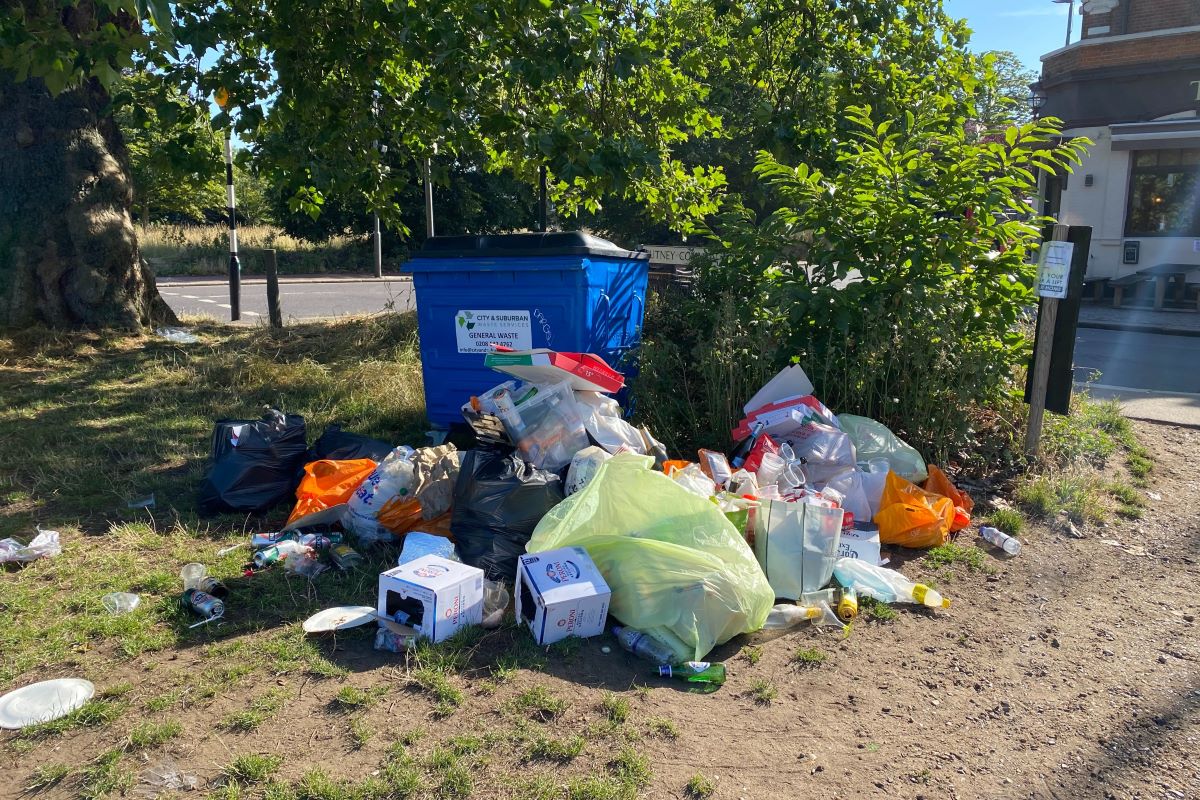
Recycling contamination can lead to additional charges, rejected collections and poorer recycling performance. Discover what causes contaminated recycling, the warning...
Read More