



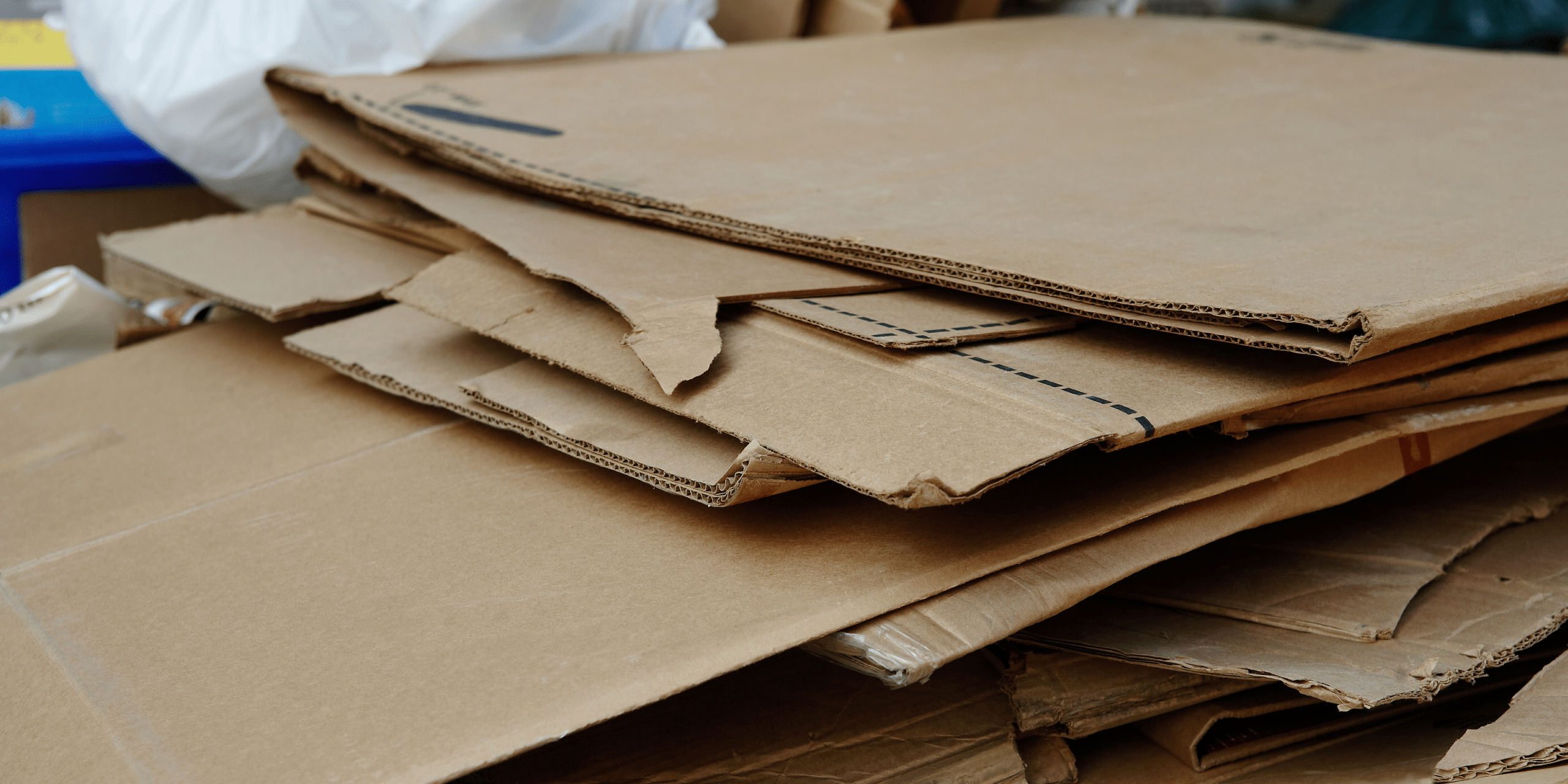
Discover how cardboard balers and roto compactors can help businesses reduce waste volumes, lower collection costs, save space and improve...
Read More
Waste Isn’t Just a Cost – It’s Revenue Many Businesses Overlook
Across the UK, organisations of every size are paying to dispose of recyclable materials that could instead be generating income.
Cardboard. Paper. Plastic film. Aluminium cans. Secondary packaging.
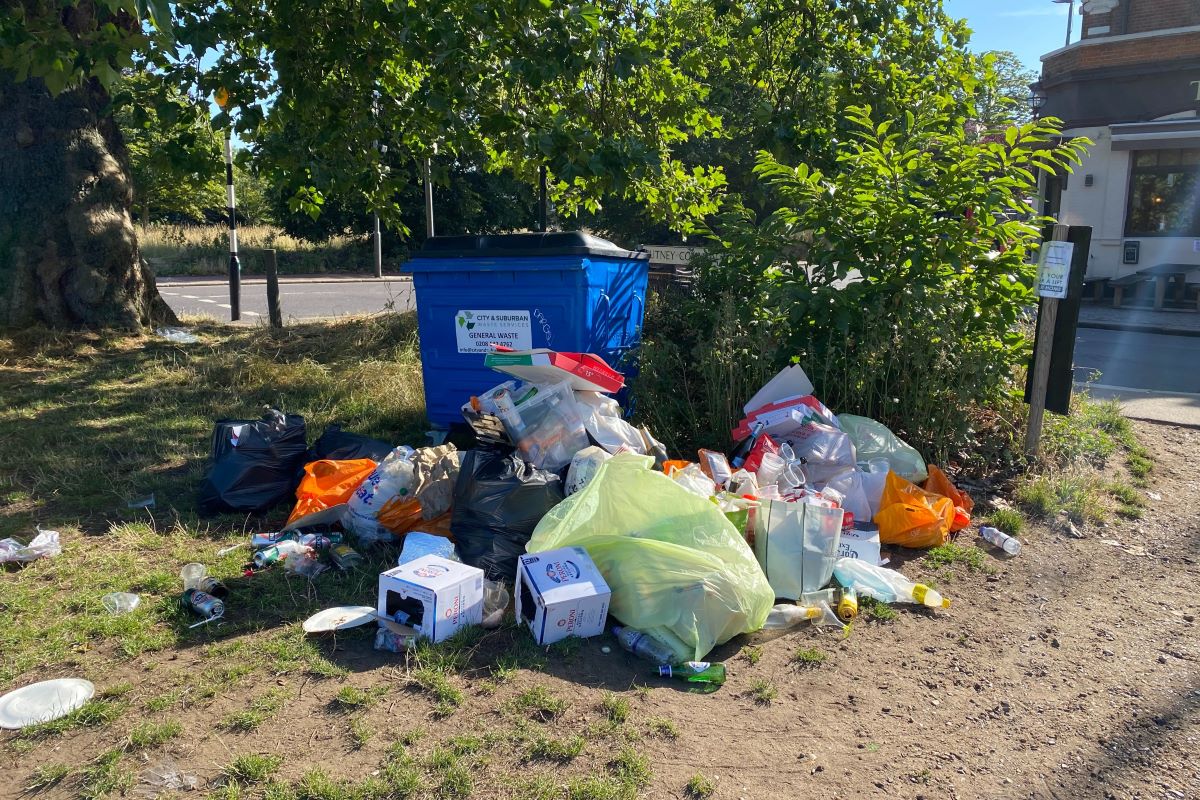
On busy sites, these materials are often treated as general waste. They are thrown into the wrong container, collected too frequently and removed at a cost. Yet with the right approach, those same materials can become a recoverable asset.
The opportunity is not complicated. It is simply overlooked.
The Hidden Cost of “General Waste”
When recyclable materials are mixed into general waste streams, the financial and environmental impact grows quickly.
- Disposal fees increase
- Collection frequency rises
- Transport emissions grow
- Recycling performance drops
- Commodity value is lost
General waste is typically the most expensive waste stream to manage. Once recyclable material enters it, the embedded market value disappears. The business then pays for storage, handling and removal of something that could have been separated and sold.
This is where many organisations lose margin without realising it. Recyclable commodities only become a cost when they are handled incorrectly.
From Loose Waste to Tradable Commodity
The turning point is segregation and compaction.
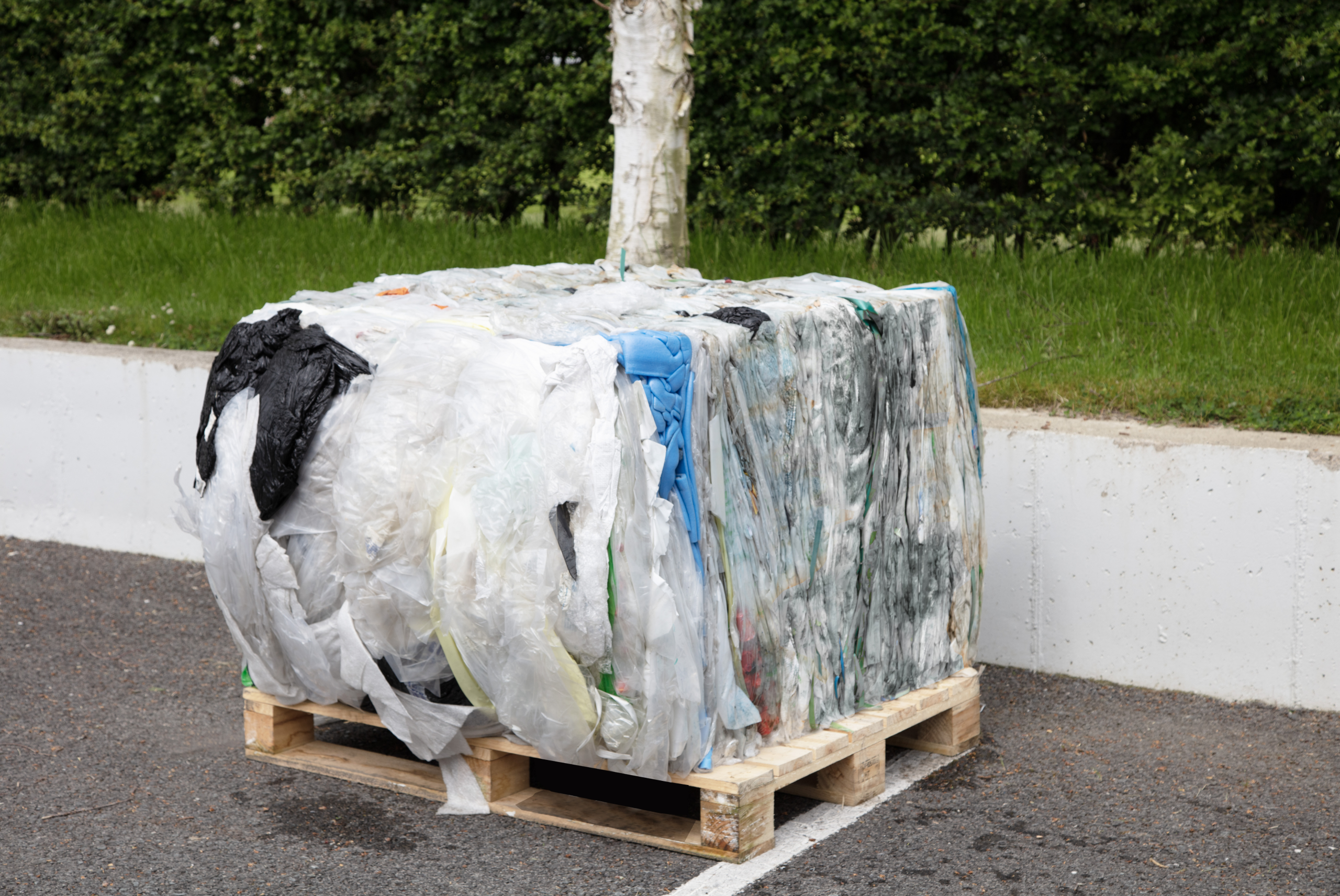
When cardboard, paper or plastic film is separated at source and baled correctly, it moves from being bulky waste to being a mill-ready commodity. Quality improves. Contamination reduces. Transport becomes more efficient.
Baling delivers clear operational benefits:
- Reduced storage space
- Cleaner, safer working areas
- Lower collection frequency
- Improved material quality
- Potential rebates or revenue return
Instead of paying to remove loose material in open skips, businesses can consolidate high volumes into dense, uniform bales. That shift alone can significantly reduce haulage requirements while opening up the potential for income through commodity markets.
It is a practical change with measurable impact.
Financial and Environmental Gains Go Hand in Hand
Smarter recycling is not only about revenue. It is about resilience in a market where disposal costs continue to rise, and environmental scrutiny is increasing.
Diverting recyclable materials into dedicated streams:
- Reduces landfill and energy from waste volumes
- Cuts transport-related emissions
- Improves recycling rates
- Strengthens ESG reporting
- Supports circular economy objectives
Every tonne diverted from general waste reduces both cost exposure and carbon impact. For businesses reporting against sustainability targets, this becomes a tangible improvement, not just a policy statement.
In short, better material management protects margin while supporting environmental performance. The two are aligned, not in conflict.
The Question Most Businesses Are Not Asking
When reviewing waste contracts, most organisations focus on one question:
“How much are we spending on waste?”
It is the obvious place to start. But it is not the most powerful question.
A more valuable one is:
“How much value are we failing to capture?”
Once recyclable materials are viewed as commodities rather than refuse, the conversation changes. Waste stops being purely an operational expense and becomes a recoverable resource.
The right segregation strategy, supported by appropriate equipment, makes that shift possible.
How Flame UK Can Help
At Flame UK, we take a broader view through our Sustain approach. We look beyond collections and disposal rates to understand the full picture.
That includes:
- Material volumes and composition
- Current waste costs and collection frequency
- Carbon impact
- On-site handling processes
- Infrastructure and equipment suitability
From there, we design practical solutions that improve segregation, introduce the right baling or compaction equipment and restructure waste streams for value.
The goal is simple. Ensure recyclable materials are managed for recovery, not removal.
Waste will always exist in operational environments. The difference lies in how it is handled.
Done poorly, it drains the margin.
Handled correctly, it generates a return.
If you are only measuring what waste costs you, it may be time to measure what it could deliver instead.
Useful Links
Recent Blog Posts
Waste Management in 2027: What Businesses Need to Prepare For
Discover the key waste management changes coming in 2027, including Simpler Recycling, Digital Waste Tracking and the Deposit Return Scheme,...
Read More
Digital Waste Tracking Is Here: What Businesses Need to Know
Digital Waste Tracking is now in effect. Discover what Phase 1 means for businesses, who is affected and what happens...
Read More
PRN Market Update 2026: Rising Prices, Evidence Shortages and the Impact on Business Waste Costs
PRN prices are rising sharply in 2026 as recycling evidence shortages and higher packaging recycling targets put pressure on the...
Read More

Whitemeadow Furniture Limited
Discover how Flame UK helped Whitemeadow Furniture simplify waste management, reduce general waste and increase recycling with one point of...
Read More
The Real Cost of Contaminated Recycling in 2026
Recycling contamination can lead to additional charges, rejected collections and poorer recycling performance. Discover what causes contaminated recycling, the warning...
Read More