




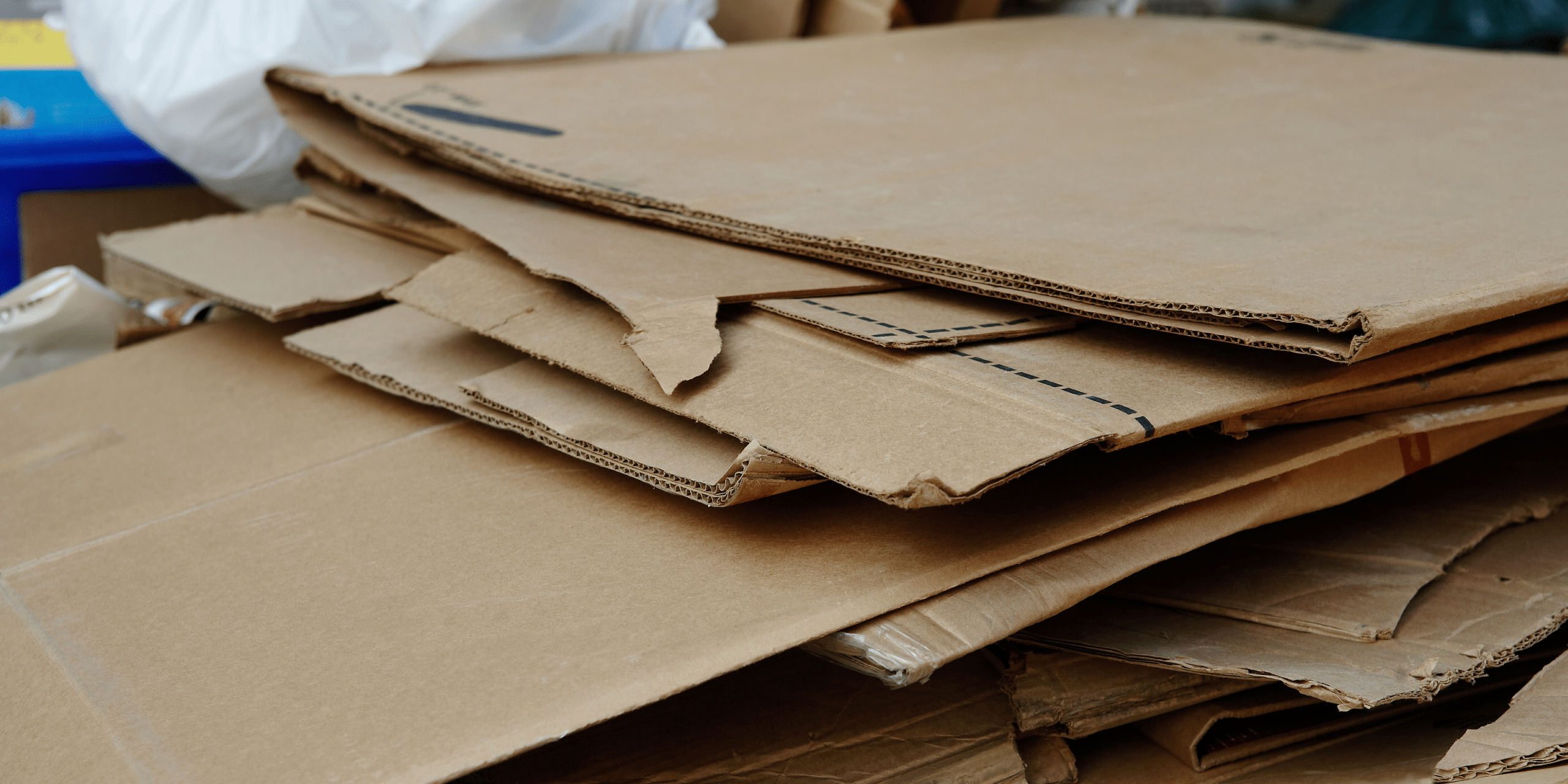
Discover how cardboard balers and roto compactors can help businesses reduce waste volumes, lower collection costs, save space and improve...
Read More
What Happens to Your Waste Electrical and Electronic Equipment (WEEE)?
From large appliances like refrigerators and washing machines to small appliances such as microwaves and toasters, as well as IT hardware and TVs, all WEEE (Waste Electrical and Electronic Equipment) gets recycled. But what exactly happens to your old electronics once they leave your home or business?
At Flame UK, we work with dedicated WEEE recycling facilities to ensure appliances are handled safely, responsibly, and efficiently. Here’s a step-by-step breakdown of the recycling process:
Collection and Initial Assessment
- WEEE is collected from businesses, households, and other sources and delivered to a recycling facility.
- Appliances are tested to see if they are still operational or partially operational.
Refurbishment of Operational Appliances
- Partially operational appliances undergo minor repairs, such as replacing fuses, cords, or broken components.
- Refurbished items are inspected to ensure they meet safety standards.
- Appliances that pass safety checks are either sold to charity shops or returned to manufacturers for redistribution.
Processing Appliances That Cannot Be Repaired
- Wires from appliances are removed, stripped, and copper is shredded for resale.
- Large and small appliances are separated, and hazardous components like batteries, capacitors, and refrigerants are identified for safe removal.
- Refrigerants from refrigerators and freezers, including those trapped in polyurethane foam, are safely removed using degassing systems.
- Fluids and other hazardous substances are extracted in line with environmental regulations.
- All recovered refrigerants are either destroyed or reclaimed for reuse.
Dismantling and Material Separation
- Appliances are manually dismantled to recover reusable components.
- Metals, plastics, and electronics are separated into distinct streams.
- Large appliances are shredded or fragmented.
- Within the shredder:
- Ferrous metals (steel and iron) are removed using magnets.
- Non-ferrous metals (copper and aluminium) are separated using eddy currents.
- Plastics, glass, and other materials are sorted for recycling.
- Sorted plastics are cleaned and granulated for reuse in manufacturing.
- Metals are sent to smelters for reuse in new products.
- Hazardous materials are treated or disposed of safely.
- Any non-recyclable materials may be sent for energy recovery, reducing landfill waste.
Efficiency and Recovery Rates
- The shredding and separation process takes approximately 45 minutes from start to finish.
- Around 98% of materials sent to these facilities are successfully recovered or recycled.
Why WEEE Recycling Matters
Proper WEEE recycling prevents harmful chemicals from entering the environment, recovers valuable materials like copper, aluminium, and plastics, and extends the lifecycle of electronics through refurbishment. At Flame UK, we help businesses and households ensure their waste electrical and electronic equipment is handled responsibly, safely, and sustainably.
Ready to recycle your old electronics responsibly? Contact Flame UK today to arrange a WEEE collection and make a positive impact on the environment!
Useful Links
Recent Blog Posts
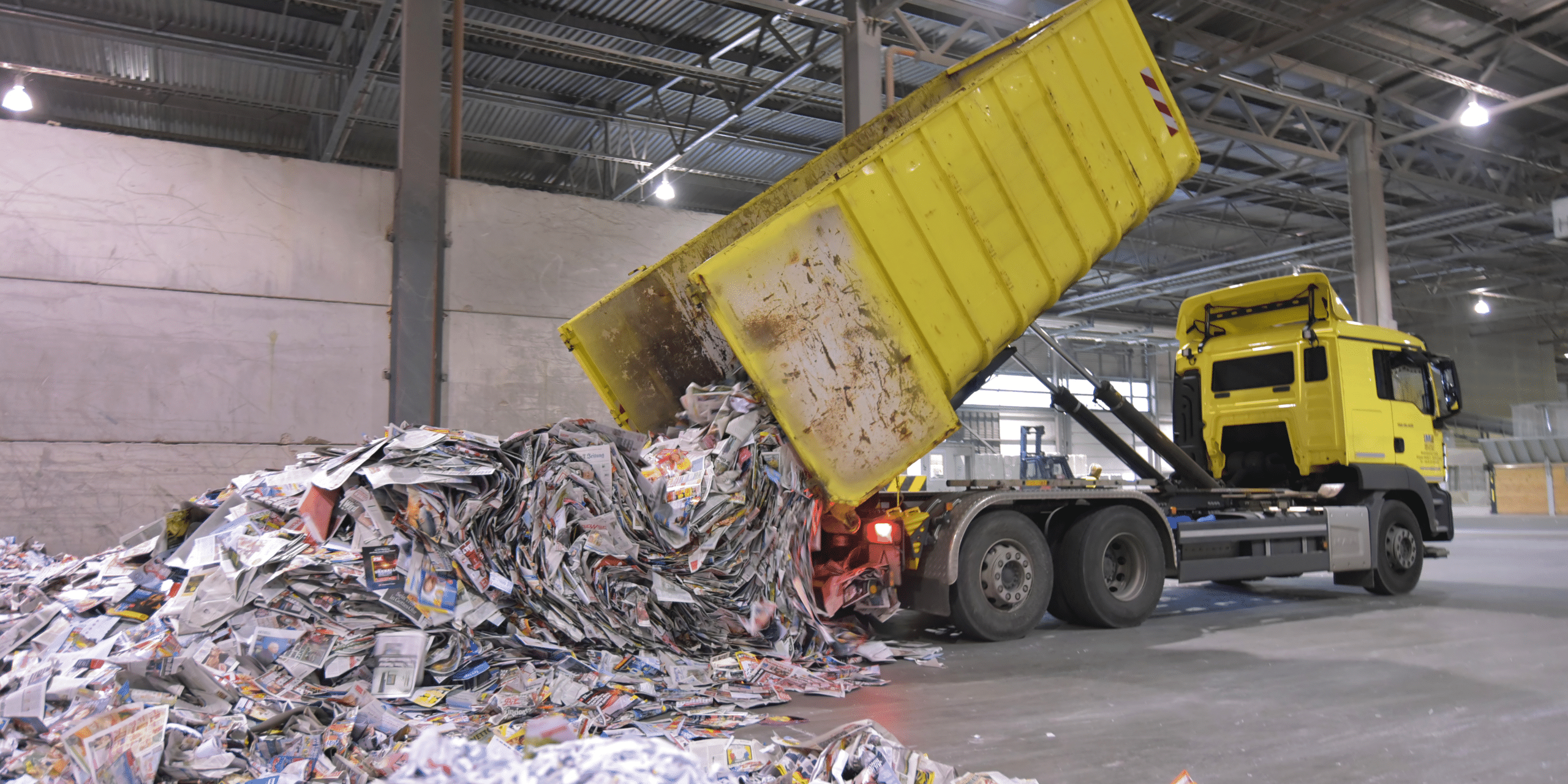
Waste Management in 2027: What Businesses Need to Prepare For
Discover the key waste management changes coming in 2027, including Simpler Recycling, Digital Waste Tracking and the Deposit Return Scheme,...
Read More
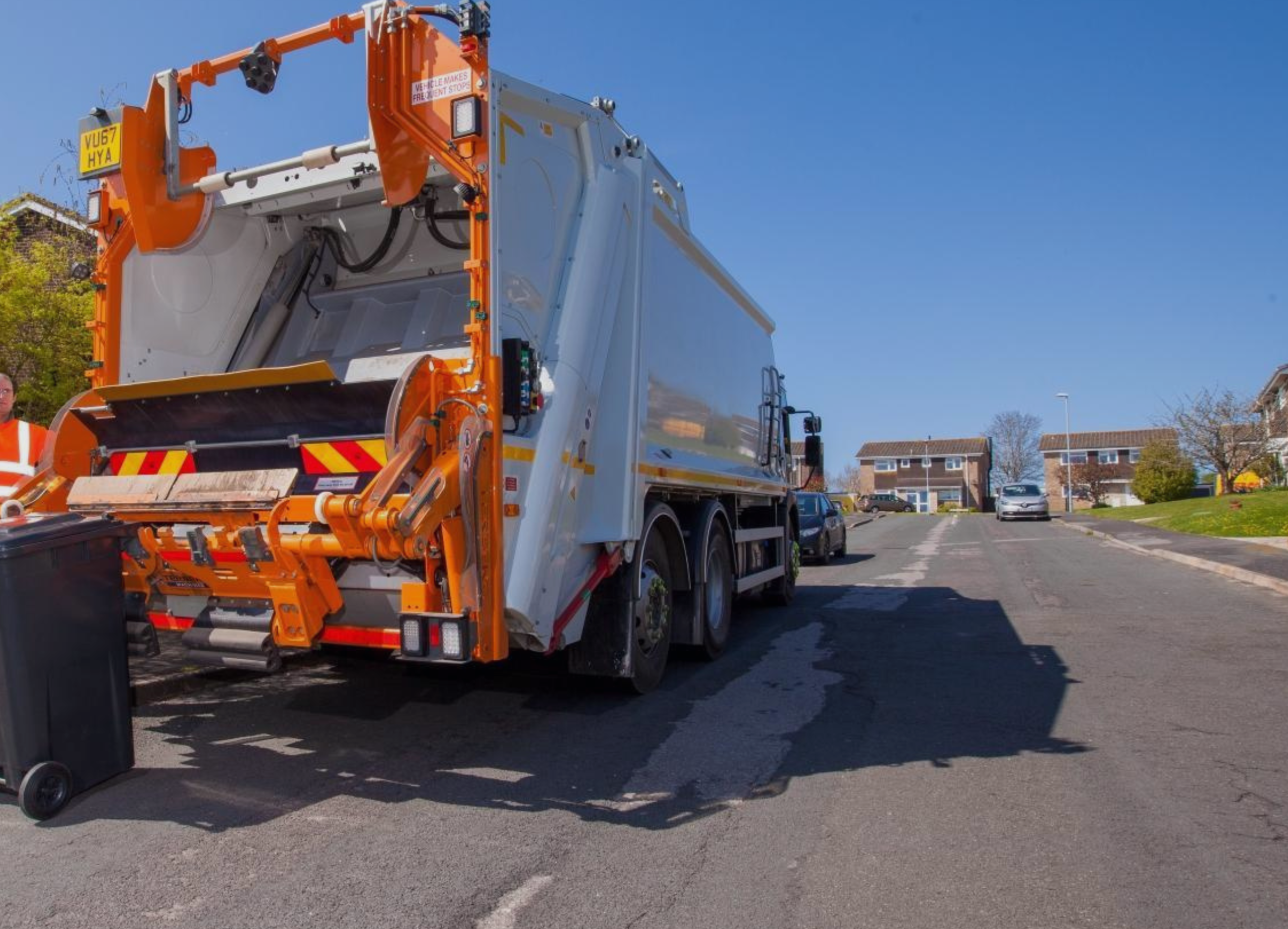
Digital Waste Tracking Is Here: What Businesses Need to Know
Digital Waste Tracking is now in effect. Discover what Phase 1 means for businesses, who is affected and what happens...
Read More
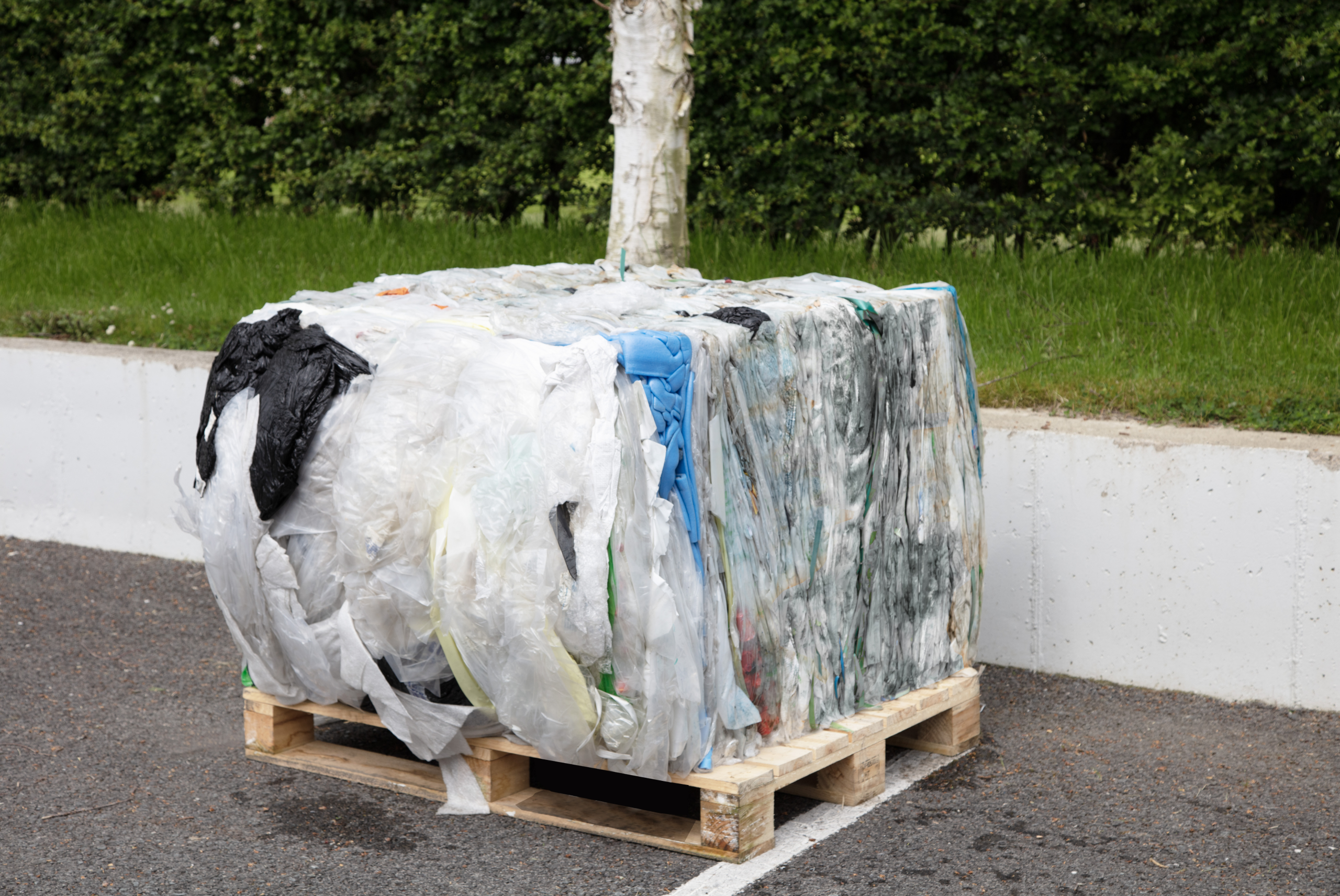
PRN Market Update 2026: Rising Prices, Evidence Shortages and the Impact on Business Waste Costs
PRN prices are rising sharply in 2026 as recycling evidence shortages and higher packaging recycling targets put pressure on the...
Read More

Whitemeadow Furniture Limited
Discover how Flame UK helped Whitemeadow Furniture simplify waste management, reduce general waste and increase recycling with one point of...
Read More
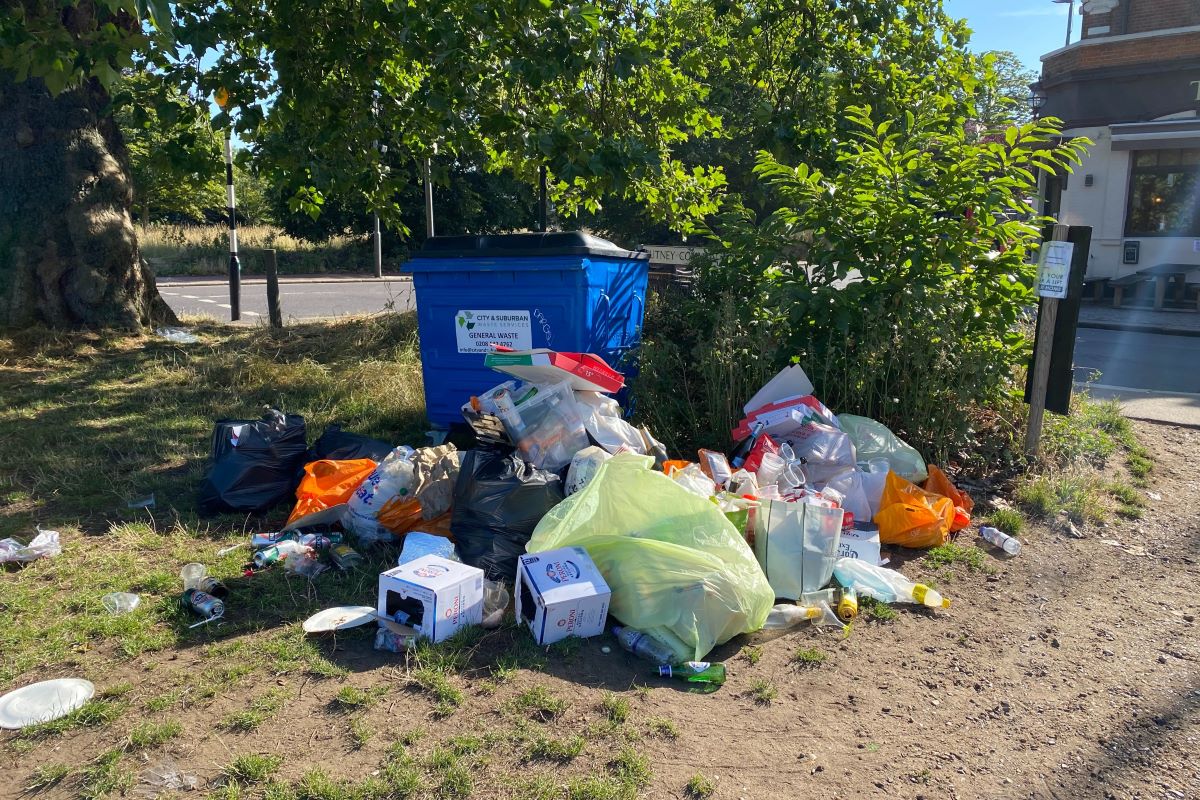
The Real Cost of Contaminated Recycling in 2026
Recycling contamination can lead to additional charges, rejected collections and poorer recycling performance. Discover what causes contaminated recycling, the warning...
Read More