




Digital Waste Tracking is now in effect. Discover what Phase 1 means for businesses, who is affected and what happens...
Read More
5 Minutes Now Saves Thousands Later: Your Waste Equipment Checklist
Balers and compactors are vital pieces of equipment in many commercial waste operations. They help reduce waste volume, lower transport costs, and keep your site organised. But like any hard-working machine, they need regular attention to stay safe and efficient.
At Flame UK, we provide annual inspections and offer maintenance packages for your waste equipment—but your first line of defence is regular daily and weekly checks. Here’s how a few minutes of care can prevent downtime, save on costly repairs, and protect your team.
Why Daily Checks Matter
It only takes five minutes at the start of a shift to make sure your baler or compactor is ready to perform safely and reliably. These simple daily checks can:
- Spot small issues before they become serious faults
- Prevent injuries or accidents caused by damaged parts
- Reduce downtime and unexpected repair costs
Machines that are used daily wear down faster than you think. Without a quick lookover, today’s small fault could become tomorrow’s big problem.y apply to you.
Top 5 Daily Checks You Should Be Doing
Train your operators to build these checks into their routine:
- Visual inspection – Look for leaks, damage or anything obstructing moving parts.
- Check safety features – Ensure emergency stops and safety interlocks are working.
- Inspect hydraulic hoses and electrical cables – Frayed wires or leaking hoses can be hazardous.
- Clear the machine – Remove any waste residue or leftover materials.
- Check the surrounding area – Make sure the machine is accessible, with no trip hazards.
What Can Go Wrong Without Daily Checks?
Even one missed check can lead to costly and dangerous outcomes. For example:
- A non-functioning safety switch could result in serious injury—and even legal consequences.
- A loose hydraulic fitting could cause a major fluid leak.
- A misaligned door might damage the baler frame or compaction mechanism.
Why Weekly Checks Matter Too
While daily checks are quick and surface-level, your weekly waste equipment inspection should go a little deeper. Think of it as a more detailed health check to catch signs of wear and performance issues before they escalate.
What Your Weekly Check Should Include
- Inspect guards and safety switches – Confirm they’re secure and functioning.
- Test all operating functions – Run the machine with doors open and closed.
- Check warning labels – Ensure all safety labels are visible and legible.
- Look for wear – Especially on moving parts like the compaction or baling mechanism.
- Grease lubrication points – Where applicable, keep everything running smoothly.
Who Should Be Doing Weekly Checks?
Weekly checks should ideally be carried out by a site supervisor or a trained team member who isn’t using the machine every day. Rotating responsibility helps ensure the inspection is fresh, thorough, and consistent.
Recording and Acting on Faults
Logging both daily and weekly checks is crucial. Keep a simple logbook or checklist near your machine to track compliance and identify recurring issues. And if something doesn’t look right:
- Flag it immediately to your service provider (that’s us at Flame UK!)
- Don’t wait for a breakdown—early action can prevent serious faults.
Recording and Acting on Faults
A five-minute daily check and a 10–15 minute weekly inspection can make all the difference. These simple habits protect your equipment, improve safety, and keep your operation running without expensive interruptions.
Need help setting up a maintenance schedule or training your staff? Flame UK’s waste equipment team is here to help with:
Get in touch today to keep your compactor or baler in peak condition.
Useful Links
Recent Blog Posts
PRN Market Update 2026: Rising Prices, Evidence Shortages and the Impact on Business Waste Costs
PRN prices are rising sharply in 2026 as recycling evidence shortages and higher packaging recycling targets put pressure on the...
Read More

Whitemeadow Furniture Limited
Discover how Flame UK helped Whitemeadow Furniture simplify waste management, reduce general waste and increase recycling with one point of...
Read More
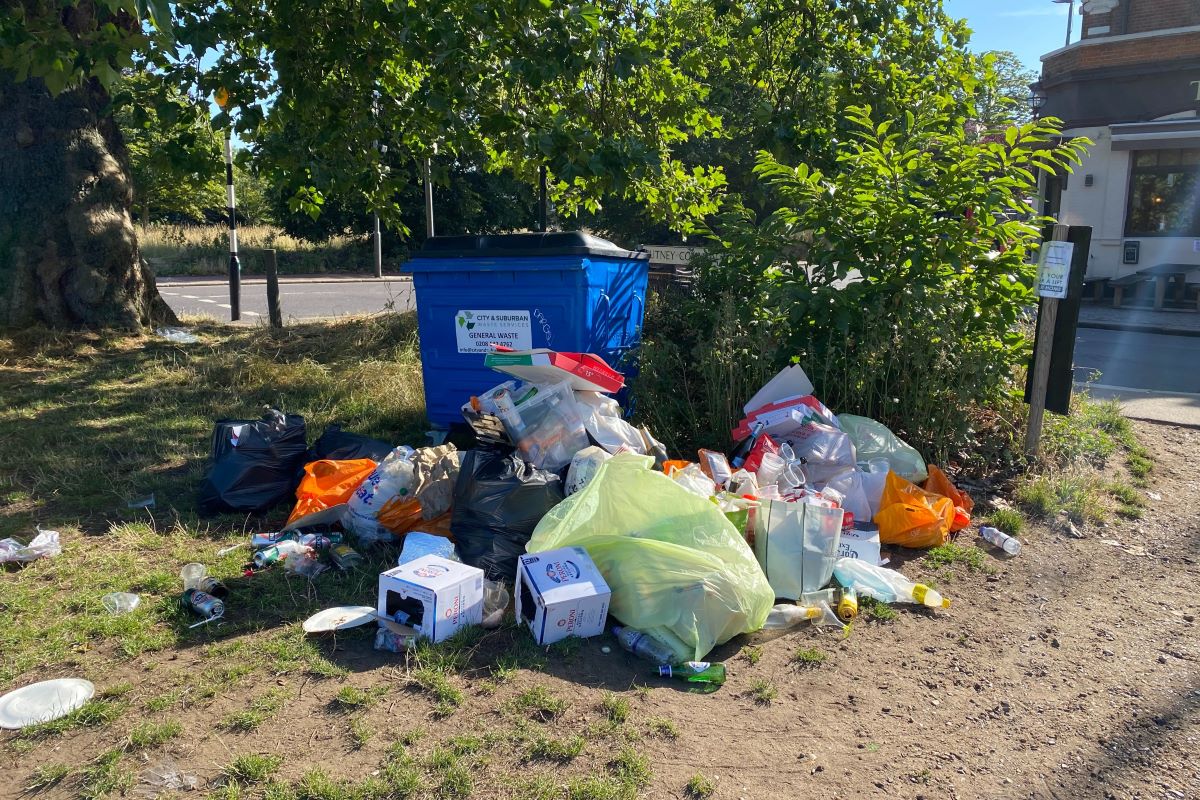
The Real Cost of Contaminated Recycling in 2026
Recycling contamination can lead to additional charges, rejected collections and poorer recycling performance. Discover what causes contaminated recycling, the warning...
Read More
EU PPWR Now Applies: What UK Businesses Need to Know
The EU Packaging and Packaging Waste Regulation (PPWR) is now generally applicable, introducing new requirements for packaging placed on the...
Read More
Skip Theft Prevention: How to Protect Your Waste Containers
Skip theft prevention can protect businesses from costly container theft and disruption. Learn why skips are stolen, how to identify...
Read More