



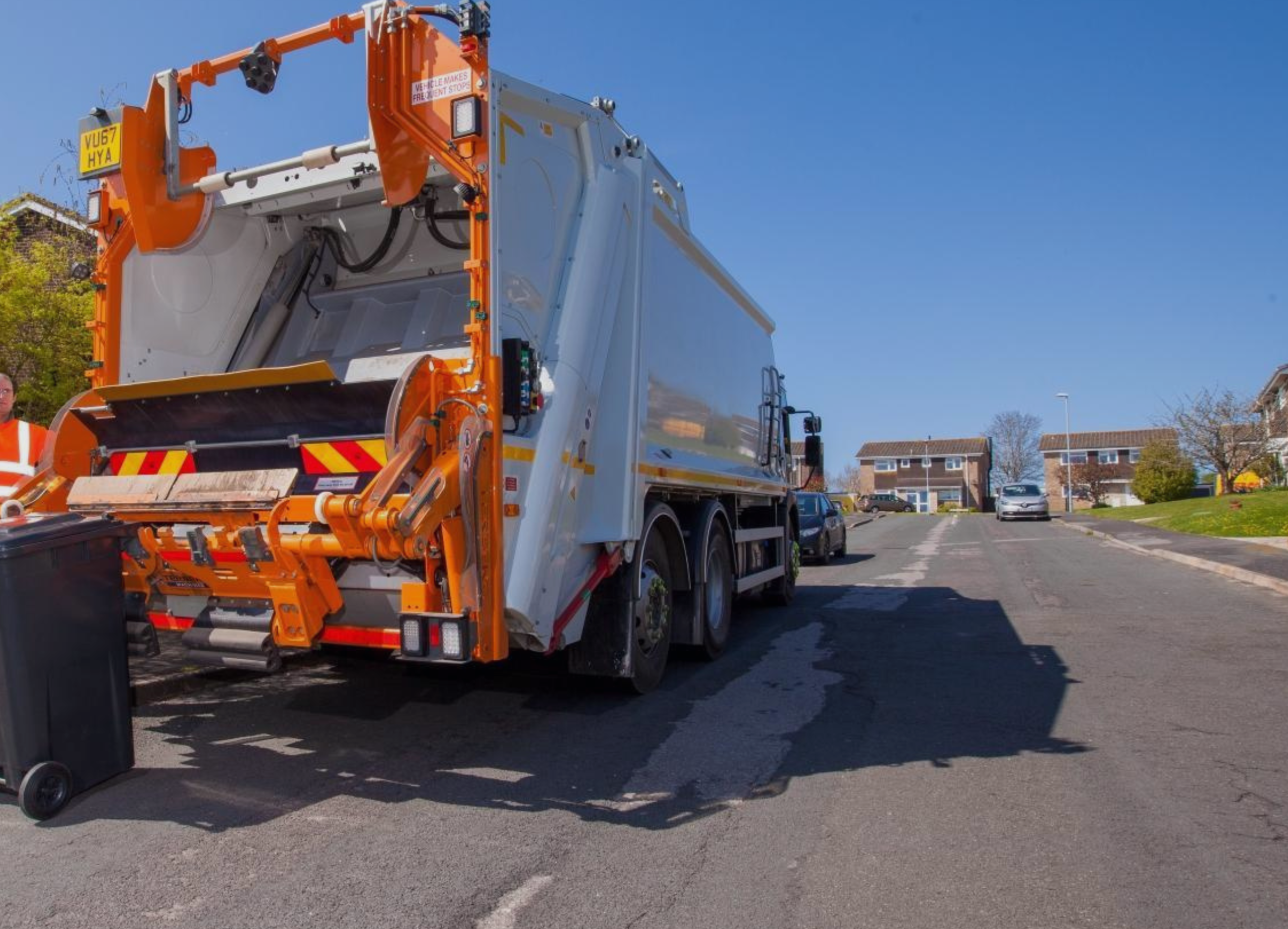
Digital Waste Tracking is now in effect. Discover what Phase 1 means for businesses, who is affected and what happens...
Read More
The UK’s Journey to Food Waste Separation Success: Why Separating Food Waste is Crucial for a Sustainable Future
Food waste is a growing environmental challenge in the UK, but with the right strategies, it can also be a valuable resource. As the government pushes towards ambitious sustainability goals, managing food waste effectively is crucial for businesses, households, and the nation as a whole. By understanding what happens to food waste, why separating it is essential, and the numerous benefits of doing so, we can all contribute to a greener, more sustainable future.
What Happens to Food Waste in the UK?
When food waste is disposed of properly, it can follow one of two beneficial paths: anaerobic digestion or composting.
- Anaerobic Digestion (AD): This process uses microorganisms to break down food waste in the absence of oxygen, producing biogas and digestate. The biogas is converted into renewable energy, such as electricity and biomethane for vehicles, contributing to the UK’s renewable energy supply. The digestate is used as a natural fertiliser, reducing the need for synthetic alternatives.
- Composting: Some food waste, particularly from households, is processed through industrial composting. This results in compost that is used to improve soil quality and reduce the need for artificial fertilisers, promoting more sustainable agriculture.
Why Separating Food Waste is Essential
Currently, many businesses and households mix food waste with general waste, which has serious environmental consequences:
- Reduces Recycling Efficiency: When food waste is mixed with recyclable materials like paper, cardboard, and plastic, it contaminates them, making them unsuitable for recycling. This results in more waste being sent to landfill or incineration.
- Increases Greenhouse Gas Emissions: Food waste decomposes anaerobically in landfills, producing methane, a potent greenhouse gas that significantly contributes to climate change.
- Wastes Valuable Resources: Instead of being used to generate energy or enrich soil, food waste in general waste bins is lost, missing the opportunity to become a valuable resource.
By separating food waste, businesses and households can prevent contamination of recyclables, reduce landfill waste, and contribute to the circular economy.
The Benefits of Separately Collected Food Waste
Separating food waste is vital in achieving the UK’s sustainability goals. Here’s how it benefits the environment and supports green initiatives:
- Supports Renewable Energy Production: The biogas produced from food waste is converted into clean energy, contributing to the UK’s renewable energy mix and reducing reliance on fossil fuels.
- Improves Soil Health: The digestate produced through anaerobic digestion and composting enriches agricultural land, improving soil quality and reducing the need for synthetic fertilisers.
- Helps Meet Climate Targets: The UK has committed to reducing carbon emissions. Diverting food waste from landfills significantly lowers methane emissions, helping the UK achieve its climate targets.
- Encourages Circular Economy Practices: The more food waste is used for beneficial purposes like energy generation and soil enrichment, the more sustainable and self-sufficient the UK becomes in managing its waste.
The UK’s Leadership in Waste Reduction and Sustainability
Goals
The UK is striving to become a world leader in waste reduction and sustainability. Key government policies, including the UK Waste Strategy and the Net Zero by 2050 plan, underline the importance of efficient waste management. Food waste separation is a core element of these initiatives, with upcoming regulations likely to make food waste separation mandatory for businesses.
By taking responsibility for food waste, businesses and individuals can significantly reduce their environmental footprint and contribute to a greener future.
How Flame UK is Leading the Way
At Flame UK, we are dedicated to supporting businesses on their sustainability journeys. We offer tailored food waste management solutions designed to help organisations:
- Reduce environmental impact
- Lower carbon footprints
- Increase operational efficiency
We work closely with businesses to implement effective food waste separation strategies, ensuring compliance with regulations while also lowering waste disposal costs and enhancing sustainability credentials.
Our commitment to sustainability goes hand in hand with cost savings, helping businesses reduce waste and transform it into valuable resources—benefiting both the planet and the bottom line.
How Flame UK Can Make a Difference
Separating food waste isn’t just about meeting regulations—it’s about contributing to a cleaner, greener, and more sustainable UK. Businesses that implement food waste recycling solutions will not only reduce waste management costs but also support national efforts towards renewable energy, waste reduction, and environmental responsibility.
At Flame UK, we can help businesses create food waste solutions that align with the UK’s sustainability objectives. Contact us today to find out how you can make a difference with responsible food waste management.
Useful Links
Recent Blog Posts
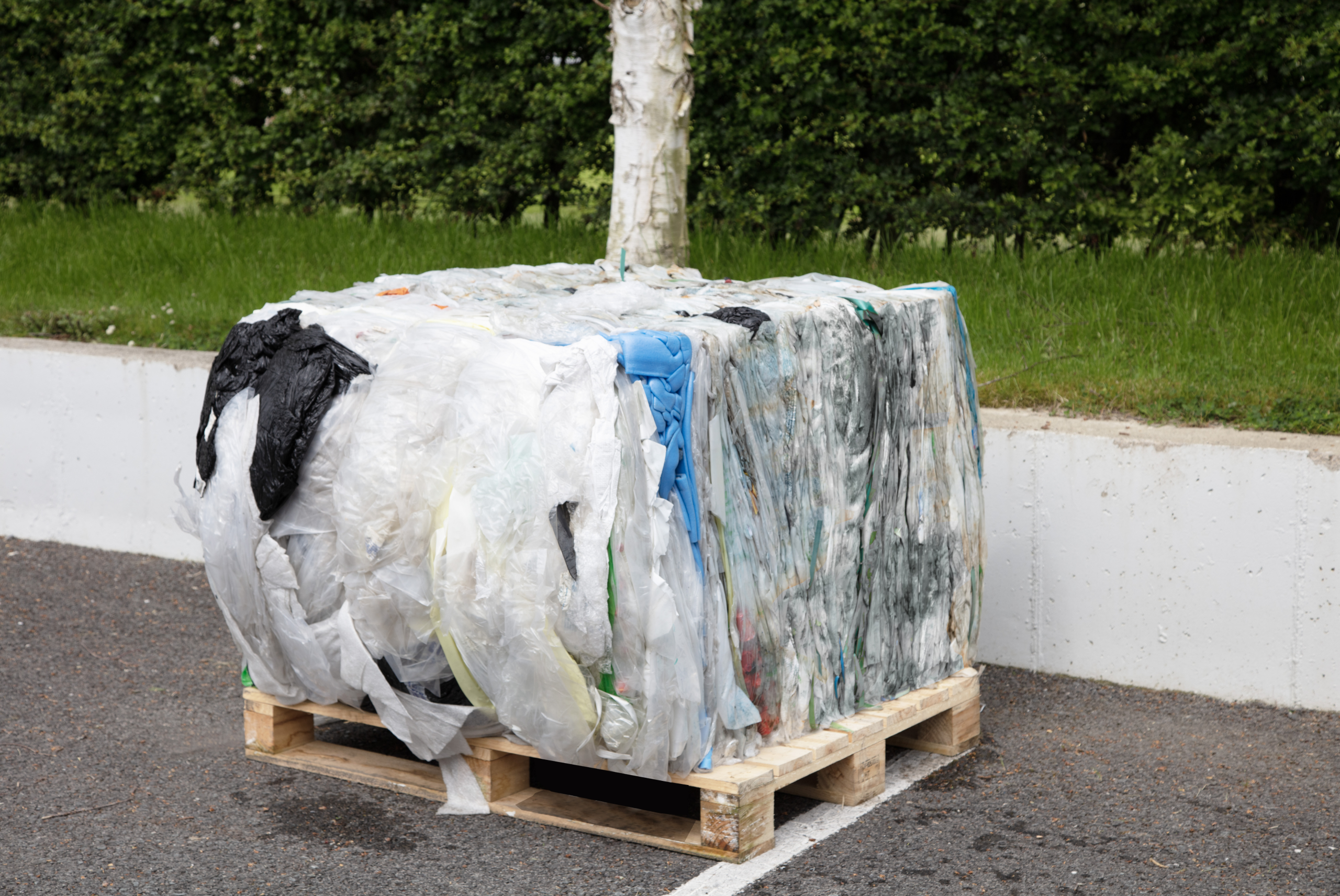
PRN Market Update 2026: Rising Prices, Evidence Shortages and the Impact on Business Waste Costs
PRN prices are rising sharply in 2026 as recycling evidence shortages and higher packaging recycling targets put pressure on the...
Read More

Whitemeadow Furniture Limited
Discover how Flame UK helped Whitemeadow Furniture simplify waste management, reduce general waste and increase recycling with one point of...
Read More
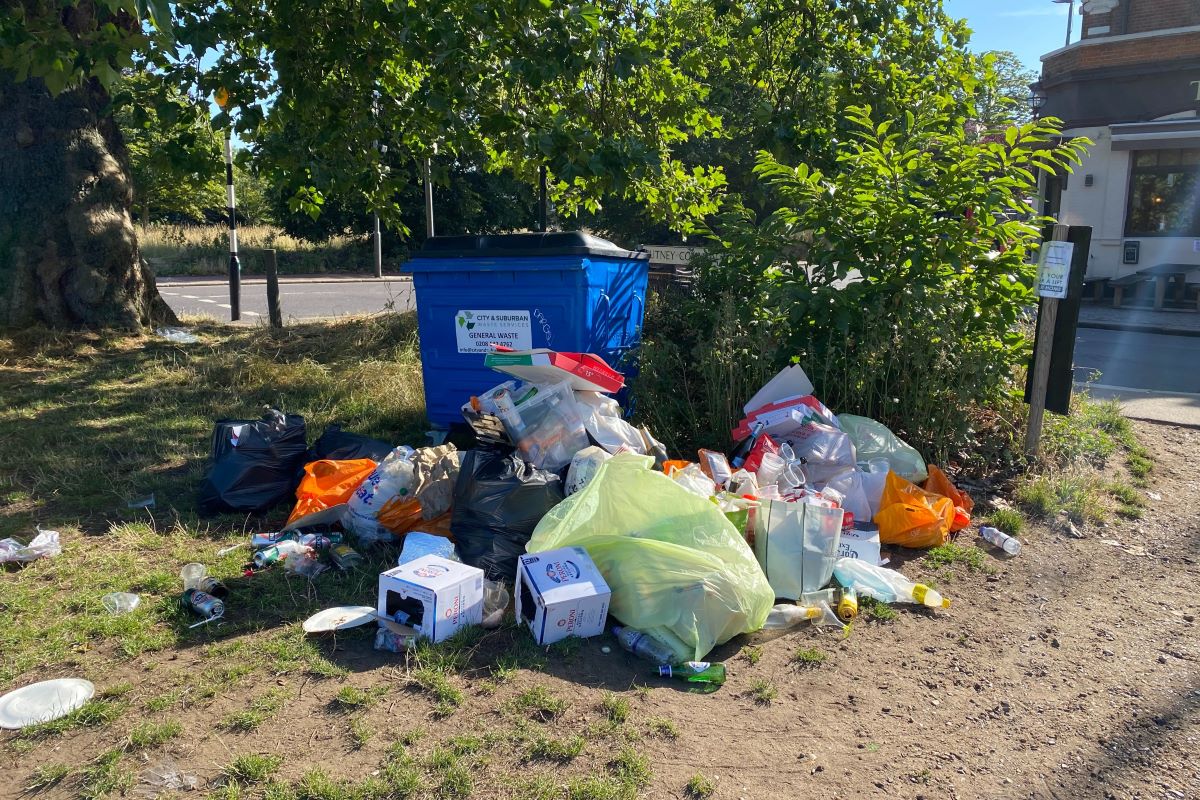
The Real Cost of Contaminated Recycling in 2026
Recycling contamination can lead to additional charges, rejected collections and poorer recycling performance. Discover what causes contaminated recycling, the warning...
Read More
EU PPWR Now Applies: What UK Businesses Need to Know
The EU Packaging and Packaging Waste Regulation (PPWR) is now generally applicable, introducing new requirements for packaging placed on the...
Read More
Skip Theft Prevention: How to Protect Your Waste Containers
Skip theft prevention can protect businesses from costly container theft and disruption. Learn why skips are stolen, how to identify...
Read More