




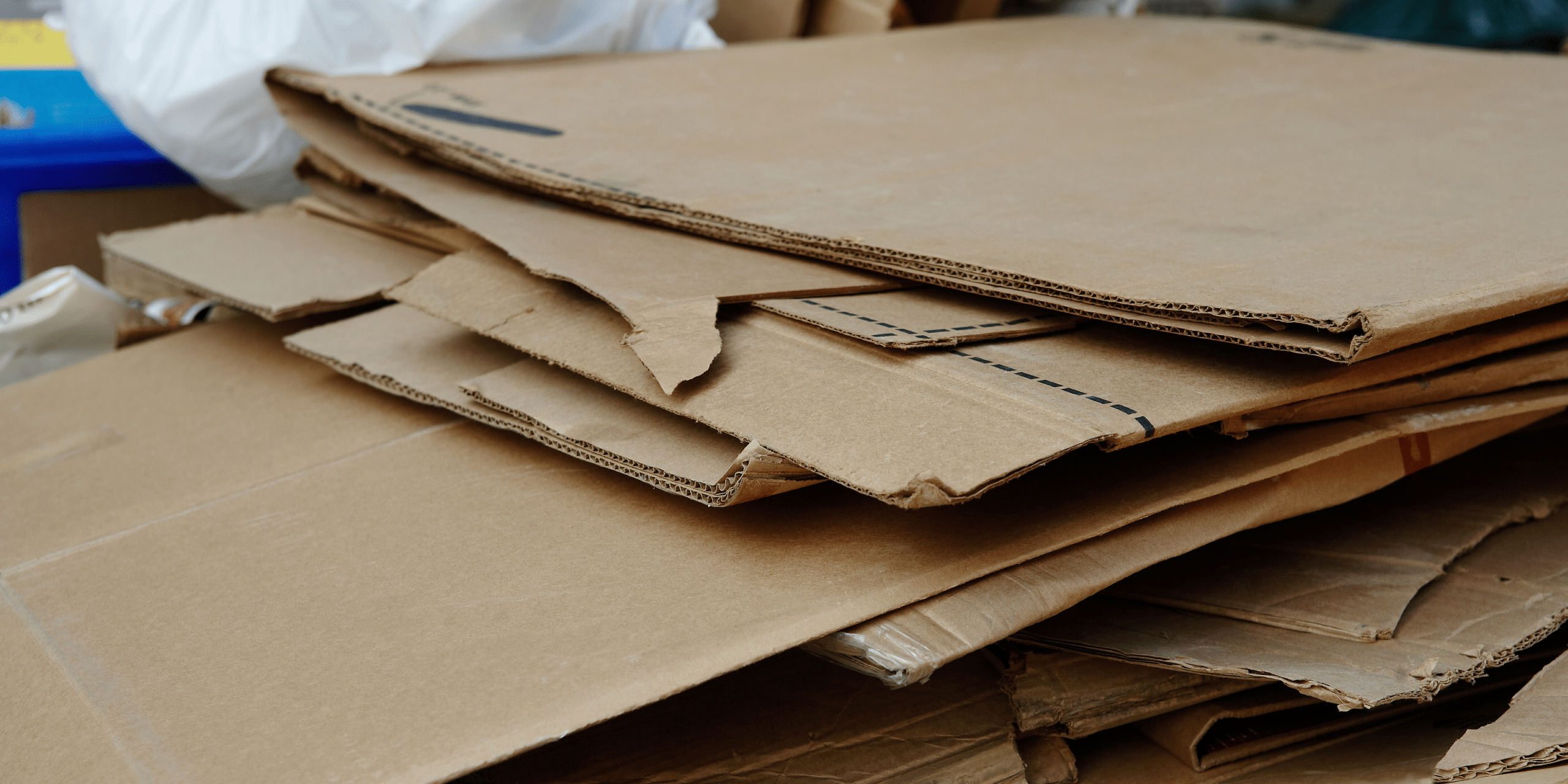
Discover how cardboard balers and roto compactors can help businesses reduce waste volumes, lower collection costs, save space and improve...
Read More
Waste Management in 2027: What Businesses Need to Prepare For
The UK waste industry has undergone significant change over the last few years, and 2027 is set to bring another important round of developments for businesses.
From the expansion of Simpler Recycling and Digital Waste Tracking to the introduction of the Deposit Return Scheme, businesses will need to understand how changing waste legislation could affect their operations, costs and responsibilities.
For many organisations, these changes will also create an opportunity to take a closer look at how waste is managed. Reviewing waste streams, improving segregation and making better use of waste data can help businesses prepare for new requirements while identifying opportunities to reduce waste and improve recycling performance.
Here are some of the key waste management changes in 2027 that businesses should have on their radar.
In this Article
- Simpler Recycling requirements for micro-firms
- Plastic film collections
- Digital Waste Tracking expands further
- The Deposit Return Scheme launches
- Packaging EPR and modulated fees
- How businesses can prepare for 2027
1. Simpler Recycling Expands to Micro-Firms
Simpler Recycling has already changed the way workplaces across England manage their waste.
Since 31 March 2025, most businesses, charities and public sector organisations have been required to separate key recyclable materials, food waste and residual waste before collection.
However, businesses classed as micro-firms, meaning businesses with fewer than 10 full-time equivalent employees, were given additional time to comply.
That temporary exemption ends on 31 March 2027.
From this date, micro-firms in England will also need to comply with the workplace recycling requirements.
Businesses will need to separate:
- Dry recyclable materials, including plastic, metal, glass, paper and card
- Food waste
- Non-recyclable residual waste
It is important to remember that the employee threshold applies to the business as a whole, rather than individual locations. A business operating several smaller sites may therefore still fall within the requirements.
For smaller organisations that have not yet reviewed their waste arrangements, 2027 is the time to make sure the correct containers, collections and internal processes are in place.
Source: UK Government, Simpler Recycling: Workplace Recycling in England.
2. Plastic Film Collections Are Coming
Another significant change under Simpler Recycling is the expansion of recycling collections to include plastic film and flexible plastics.
From 31 March 2027, plastic films will be included within recycling collections from workplaces and households in England.
Plastic film can be a significant waste stream for businesses, particularly across retail, manufacturing, warehousing, hospitality and distribution.
Depending on the materials generated by a site, this could include items such as plastic bags, wrapping and other flexible plastic packaging.
For businesses producing large quantities of this material, the change provides an opportunity to review how flexible plastics are currently being disposed of and whether existing waste infrastructure will be suitable.
Planning ahead could also help businesses identify opportunities to divert additional material away from residual waste.
3. Digital Waste Tracking Expands Further
Digital Waste Tracking is one of the biggest changes to UK waste reporting in years.
The system is designed to create a more consistent digital record of waste movements across the UK, replacing fragmented and often paper-based processes.
The rollout began in 2026, with the service becoming mandatory for receiving sites in England and Wales from October 2026, followed by Scotland and Northern Ireland from January 2027.
But that isn’t the end of the rollout.
From spring 2027, the Digital Waste Tracking service is expected to become publicly available for waste collectors, ahead of its planned mandatory use for waste collectors from October 2027.
For businesses producing waste, the move towards digital tracking should ultimately provide greater visibility and transparency around what happens to waste after it leaves site.
Businesses should make sure they are working with waste partners that understand the changing requirements and can provide accurate, reliable waste information.
At Flame UK, we are already working with our supplier network to ensure the information required for Digital Waste Tracking can be captured as the system develops.
Source: UK Government, Developing the Digital Waste Tracking Service.
4. The Deposit Return Scheme Launches
One of the most visible waste management changes arriving in 2027 will be the Deposit Return Scheme (DRS) for drinks containers.
The scheme is scheduled to launch on 1 October 2027 across England, Scotland and Northern Ireland.
It will introduce a refundable deposit on certain single-use drinks containers between 150ml and 3 litres made from PET plastic, aluminium and steel.
Consumers will pay a deposit when purchasing an eligible drink and will be able to reclaim it when the empty container is returned through the scheme.
For businesses that produce or sell drinks, the impact could be significant.
Depending on their role within the supply chain, businesses may need to consider new registration, reporting, labelling, deposit and return-point responsibilities.
Retailers and hospitality businesses should therefore start considering how the scheme could affect their sites well before October 2027. Even businesses that are not directly obligated may see changes to the composition and volume of drinks containers entering their existing recycling streams.
Source: UK Government, Deposit Return Scheme: Drinks Producer and Retailer Responsibilities.
5. Packaging EPR Costs Will Become More Closely Linked to Recyclability
Extended Producer Responsibility for Packaging, commonly known as packaging EPR, is another area businesses should continue to monitor.
The system is designed to make packaging producers more responsible for the costs associated with managing packaging once it becomes waste.
From the 2026 to 2027 assessment year, packaging fees begin to be adjusted according to recyclability through the Recyclability Assessment Methodology (RAM).
Packaging can receive a green, amber or red rating depending on its recyclability.
The difference between those ratings becomes increasingly important over time.
For the 2026 to 2027 assessment year, the modulation factor applied to red-rated packaging is 1.2. This is scheduled to increase to 1.6 for 2027 to 2028, before rising to 2.0 for 2028 to 2029.
This creates an increasingly strong financial incentive for obligated packaging producers to consider how easily their packaging can be recycled.
For businesses affected by packaging EPR, packaging design, material selection and accurate data are therefore likely to become increasingly important considerations during 2027.
Sources: UK Government, RAM 2027: Overview; PackUK, Extended Producer Responsibility for Packaging: Producer Disposal Fees Modulation Statement.
What Do the 2027 Waste Changes Mean for Businesses?
Although individual requirements will vary depending on the size and activities of a business, there is a clear direction across UK waste policy.
Waste is becoming increasingly separated, measured and tracked.
That means businesses should look beyond simply arranging collections and consider how their overall waste management strategy is performing.
Understanding what waste you produce, where it goes and how much of it can be prevented, reused or recycled can help you stay ahead of regulatory change while potentially reducing unnecessary costs.
A waste review could identify opportunities such as:
- Improving waste segregation
- Reducing contamination
- Introducing additional recycling streams
- Reviewing container sizes and collection frequencies
- Reducing residual waste
- Introducing waste equipment where appropriate
- Improving waste reporting and data visibility
- Identifying potential rebates for valuable recyclable materials
Preparing early also gives businesses more time to communicate changes internally and ensure employees understand what belongs in each waste stream.
How Can Businesses Prepare for Waste Management Changes in 2027?
Businesses do not need to wait until a new requirement takes effect before reviewing their waste arrangements.
Start by looking at the waste your organisation currently produces. Consider which materials are entering general waste, whether recyclable materials are being correctly separated and whether your existing containers and collection frequencies still reflect the volumes being generated.
Businesses with multiple locations should also look at consistency. Different waste arrangements across sites can make reporting, employee training and compliance more difficult than necessary.
It is also worth reviewing the quality of the data you receive from your waste providers. As Digital Waste Tracking continues to develop, reliable waste information will become increasingly important.
Finally, businesses affected by specific legislation such as packaging EPR or the Deposit Return Scheme should establish their responsibilities early rather than waiting until implementation deadlines approach.
Preparing Your Business for 2027 with Flame UK
If your business produces waste but does not operate a permitted or licensed waste receiving facility, the Waste legislation is continuing to evolve, but preparing for change does not have to mean making waste management more complicated.
At Flame UK, we help businesses manage waste services across the UK through one managed solution.
From reviewing existing waste streams and collection schedules to improving recycling, introducing waste equipment and providing clearer waste data, we can help businesses identify where their current setup could be improved.
With several important waste management changes arriving in 2027, now is a good time to review your existing arrangements and make sure your business is ready for what comes next.
Want to review your waste management ahead of 2027?
Get in touch with Flame UK on 0115 896 5460 or speak to our team to find out how we can help.
Useful Links
Recent Blog Posts
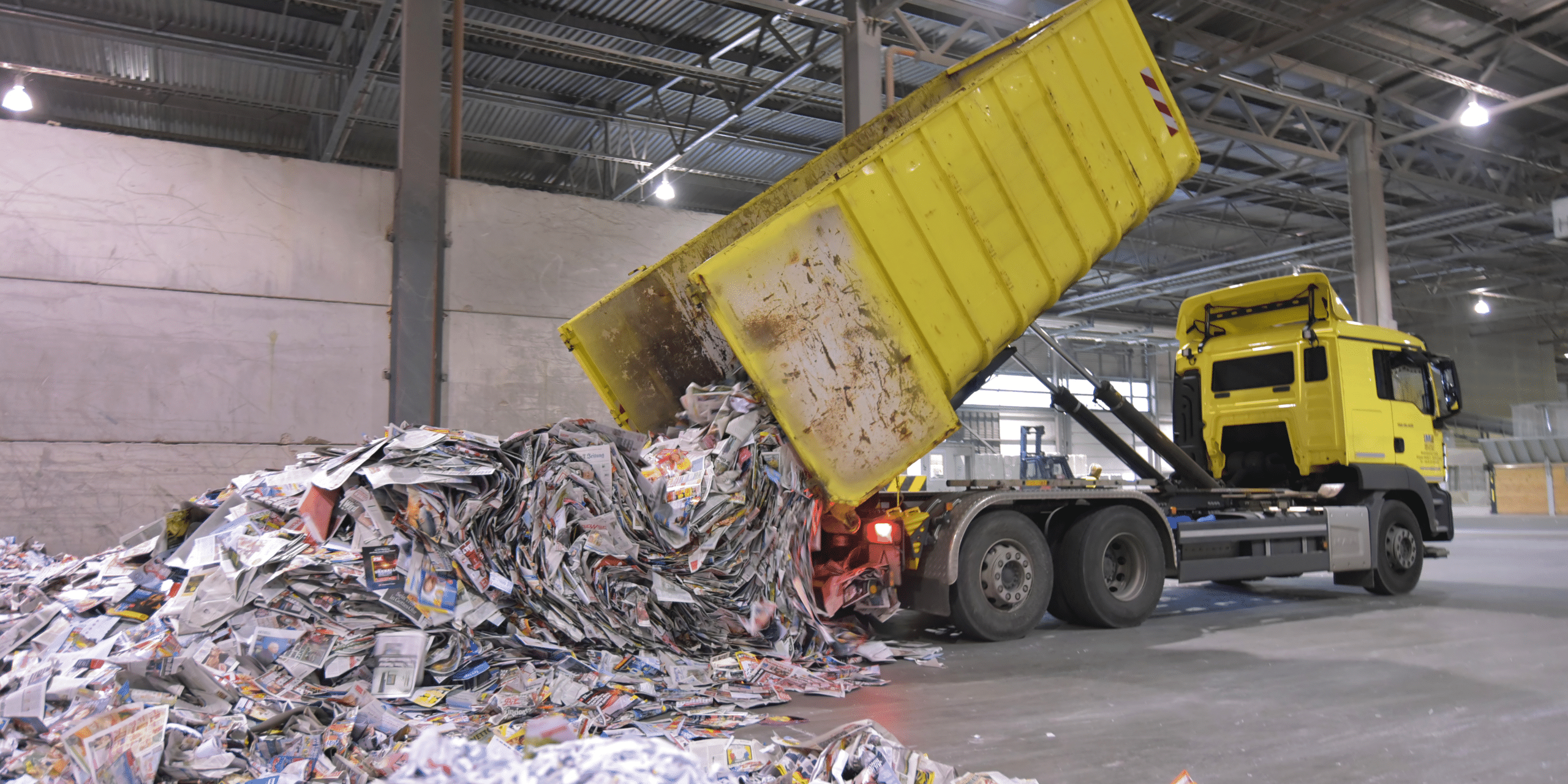
Waste Management in 2027: What Businesses Need to Prepare For
Discover the key waste management changes coming in 2027, including Simpler Recycling, Digital Waste Tracking and the Deposit Return Scheme,...
Read More
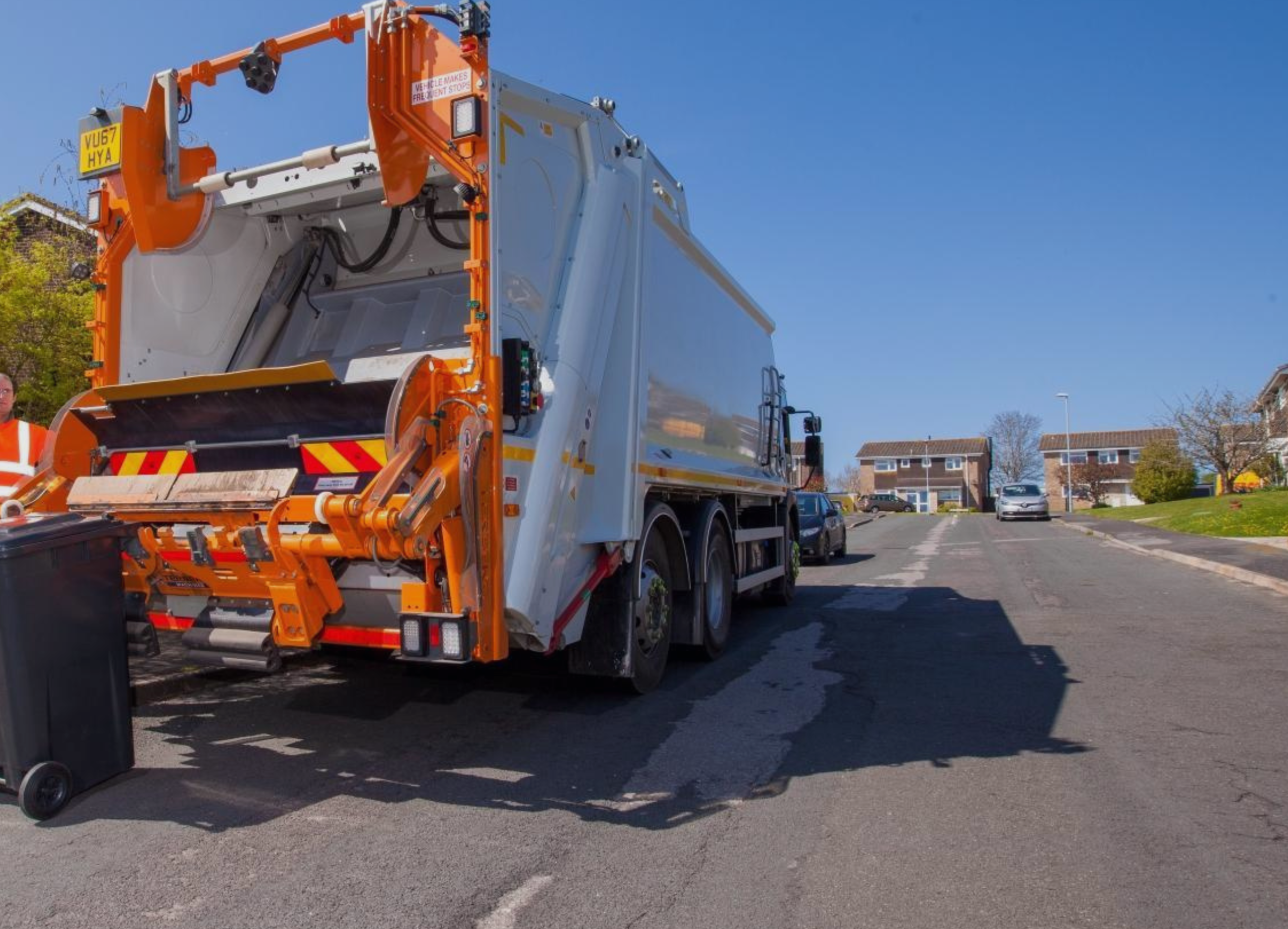
Digital Waste Tracking Is Here: What Businesses Need to Know
Digital Waste Tracking is now in effect. Discover what Phase 1 means for businesses, who is affected and what happens...
Read More
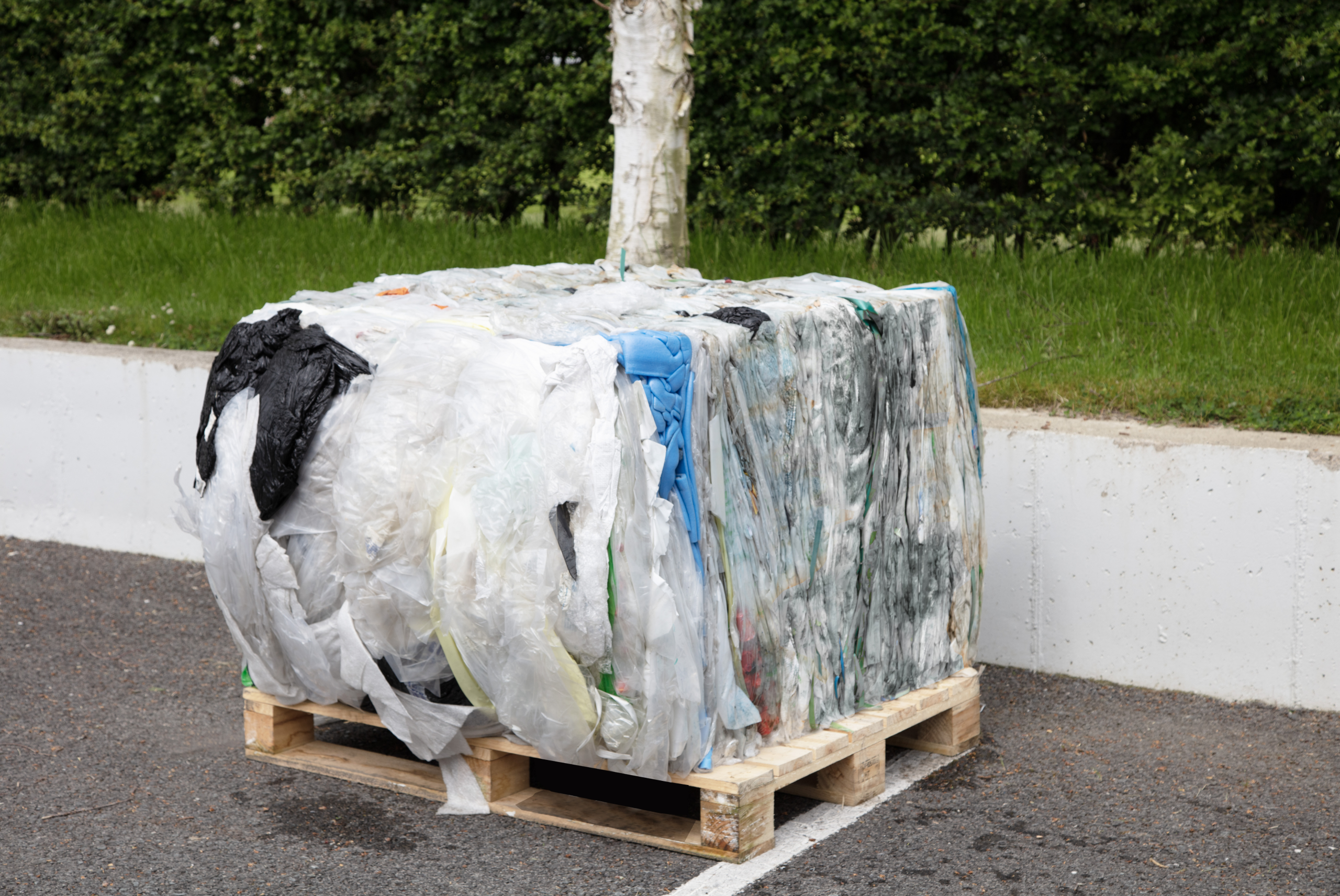
PRN Market Update 2026: Rising Prices, Evidence Shortages and the Impact on Business Waste Costs
PRN prices are rising sharply in 2026 as recycling evidence shortages and higher packaging recycling targets put pressure on the...
Read More

Whitemeadow Furniture Limited
Discover how Flame UK helped Whitemeadow Furniture simplify waste management, reduce general waste and increase recycling with one point of...
Read More
The Real Cost of Contaminated Recycling in 2026
Recycling contamination can lead to additional charges, rejected collections and poorer recycling performance. Discover what causes contaminated recycling, the warning...
Read More
Frequently
Asked Questions
Clear answers to common questions about waste management changes in 2027, including new recycling requirements, upcoming legislation, important deadlines and how businesses can prepare.
What waste management changes are coming in 2027?
Key changes include the end of the Simpler Recycling exemption for micro-firms in England on 31 March 2027, the introduction of plastic film recycling collections, further expansion of Digital Waste Tracking and the launch of the Deposit Return Scheme in October 2027.
When do micro-businesses need to comply with Simpler Recycling?
Micro-firms with fewer than 10 full-time equivalent employees have until 31 March 2027 to comply with the workplace Simpler Recycling requirements in England.
Will businesses have to recycle plastic film in 2027?
Plastic film collections from businesses and relevant non-domestic premises in England are due to be introduced by 31 March 2027 as part of Simpler Recycling.
When does the UK Deposit Return Scheme start?
The Deposit Return Scheme is scheduled to launch on 1 October 2027 in England, Scotland and Northern Ireland. It will cover certain single-use PET plastic, aluminium and steel drinks containers between 150ml and 3 litres.
How can businesses prepare for waste changes in 2027?
Businesses can start by reviewing their existing waste streams, checking recycling arrangements, improving segregation, assessing waste data and speaking with their waste management provider about upcoming requirements. Preparing early can also provide an opportunity to identify efficiencies and reduce unnecessary waste costs.
How will waste management changes in 2027 affect business costs?
Waste management changes in 2027 could affect business costs through new recycling requirements, collection arrangements and packaging obligations. However, reviewing waste streams, improving segregation and reducing contamination could also help businesses identify savings. Working with an experienced waste management provider like Flame UK can help businesses prepare for upcoming changes while identifying opportunities to improve efficiency and reduce unnecessary waste costs.