





Discover how cardboard balers and roto compactors can help businesses reduce waste volumes, lower collection costs, save space and improve...
Read More
The Rising Cost of Business Waste Disposal in 2025: Navigating the UK’s Emissions Trading Scheme and Regulatory Changes
In 2025, UK businesses are facing rising waste disposal costs due to significant regulatory shifts and economic pressures. The expansion of the UK’s Emissions Trading Scheme (ETS) to include waste incineration, increasing landfill taxes, and the introduction of Extended Producer Responsibility (EPR) for packaging are key contributors to these financial challenges. Understanding these changes is crucial for businesses aiming to control costs and maintain compliance.
Emissions Trading Scheme (ETS) Expansion and Waste Incineration Costs
Waste incineration has long been a common disposal method for non-recyclable commercial waste. However, with the UK’s decision to extend the ETS to cover incineration, operators are now required to purchase carbon allowances for their emissions. This policy shift is expected to generate over £1 billion in annual costs, which will likely be passed down to businesses using incineration services. As a result, businesses may see a sharp increase in waste disposal costs, necessitating alternative waste management solutions.
Rising Landfill Taxes
Waste incineration has long been a common disposal method for non-recyclable commercial waste. However, with the UK’s decision to extend the ETS to cover incineration, operators are now required to purchase carbon allowances for their emissions. This policy shift is expected to generate over £1 billion in annual costs, which will likely be passed down to businesses using incineration services. As a result, businesses may see a sharp increase in waste disposal costs, necessitating alternative waste management solutions.
Extended Producer Responsibility (EPR) for Packaging
Waste
The introduction of the EPR scheme in 2025 shifts the financial responsibility for packaging waste management onto businesses. Companies must now cover the full costs of collecting, sorting, and recycling their packaging waste. According to the British Retail Consortium, this policy will cost the retail sector approximately £2 billion annually. Businesses generating substantial packaging waste must adapt to these regulations to avoid financial penalties and excessive costs.
Want to know more?
Operational Cost Increases in Waste Management
Beyond regulatory changes, waste disposal providers are experiencing increased operational costs, which are being transferred to businesses. Key factors contributing to these rising expenses include:
- Energy Prices: Waste processing and recycling facilities require significant energy usage, and fluctuating energy costs are driving up operational expenses.
- Fuel Costs: The removal of red diesel tax relief has substantially increased fuel prices for waste transport and machinery, adding to disposal charges.
Labour and Compliance Costs: Stricter environmental regulations and increasing wages are further inflating service costs within the waste management industry.
How Businesses Can Reduce Waste Disposal Costs
To mitigate these rising costs, businesses should consider the following waste management strategies:
1. Improve Recycling Efforts
- Enhance waste segregation practices to maximise recycling potential.
- Reduce waste sent for incineration or landfill to lower disposal costs.
2. Optimise Packaging Use
- Transition to reusable or recyclable packaging materials.
- Reduce unnecessary packaging to minimise EPR-related expenses.
3. Implement Waste Reduction Initiatives
- Streamline operations to decrease overall waste generation.
- Train employees on efficient waste management practices.
4. Explore Alternative Waste Solutions
- Invest in sustainable waste disposal methods such as anaerobic digestion or closed-loop recycling systems.
- Consider waste-to-energy solutions to optimise resource recovery.
5. Partner with a Trusted Waste Management Provider
- Working with an expert waste management company like Flame UK can help businesses optimise their disposal processes, reduce costs, and remain compliant with evolving regulations.
Final Thoughts
With the expansion of the ETS, increased landfill taxes, and the implementation of EPR, the cost of business waste disposal in the UK is set to rise sharply in 2025. Proactively addressing these changes through improved recycling, waste reduction, and strategic partnerships can help businesses minimise costs while contributing to sustainability goals.
If your business needs expert guidance on reducing waste disposal expenses, contact Flame UK today for a tailored waste management solution.
Useful Links
Recent Blog Posts
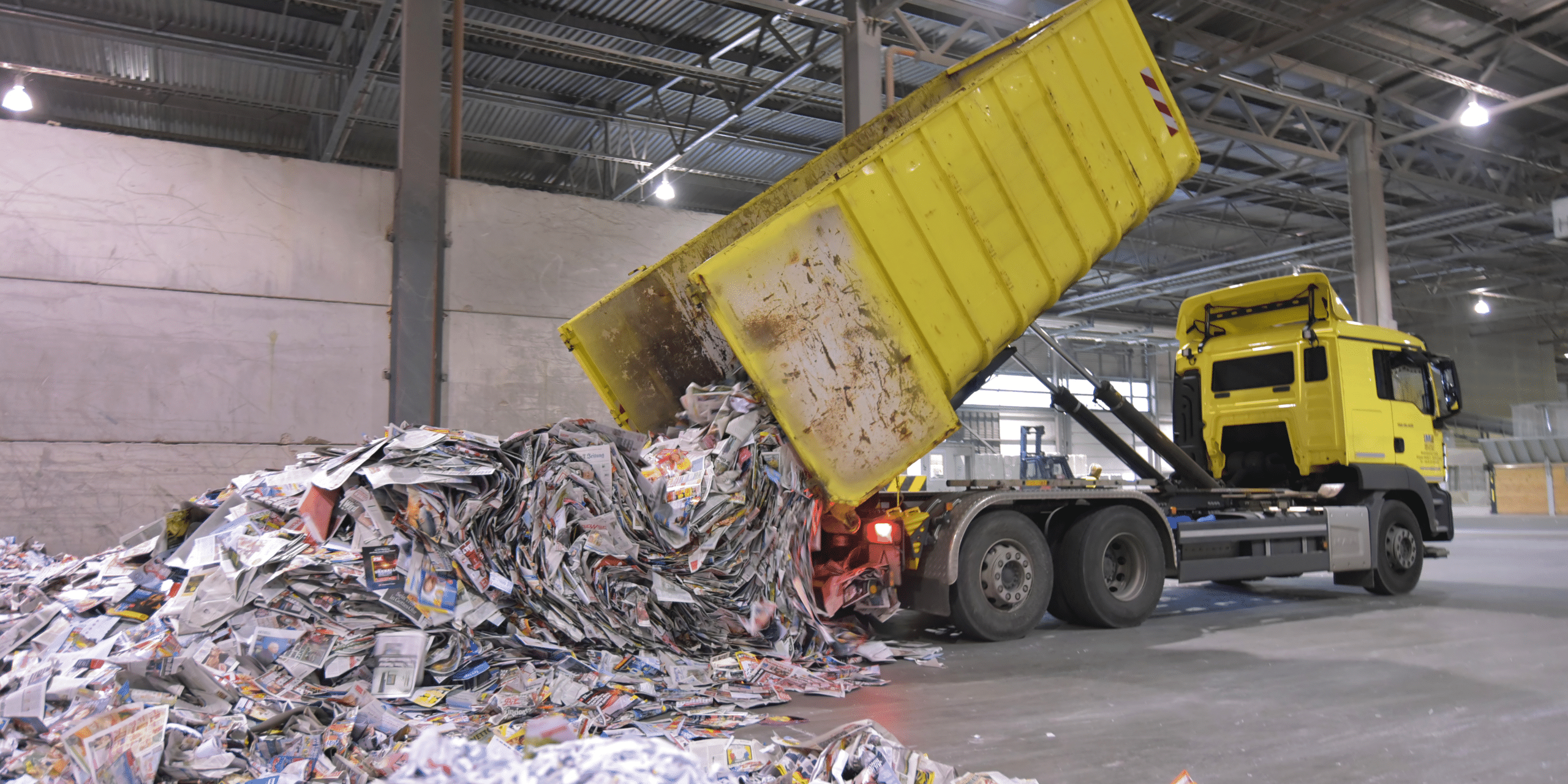
Waste Management in 2027: What Businesses Need to Prepare For
Discover the key waste management changes coming in 2027, including Simpler Recycling, Digital Waste Tracking and the Deposit Return Scheme,...
Read More
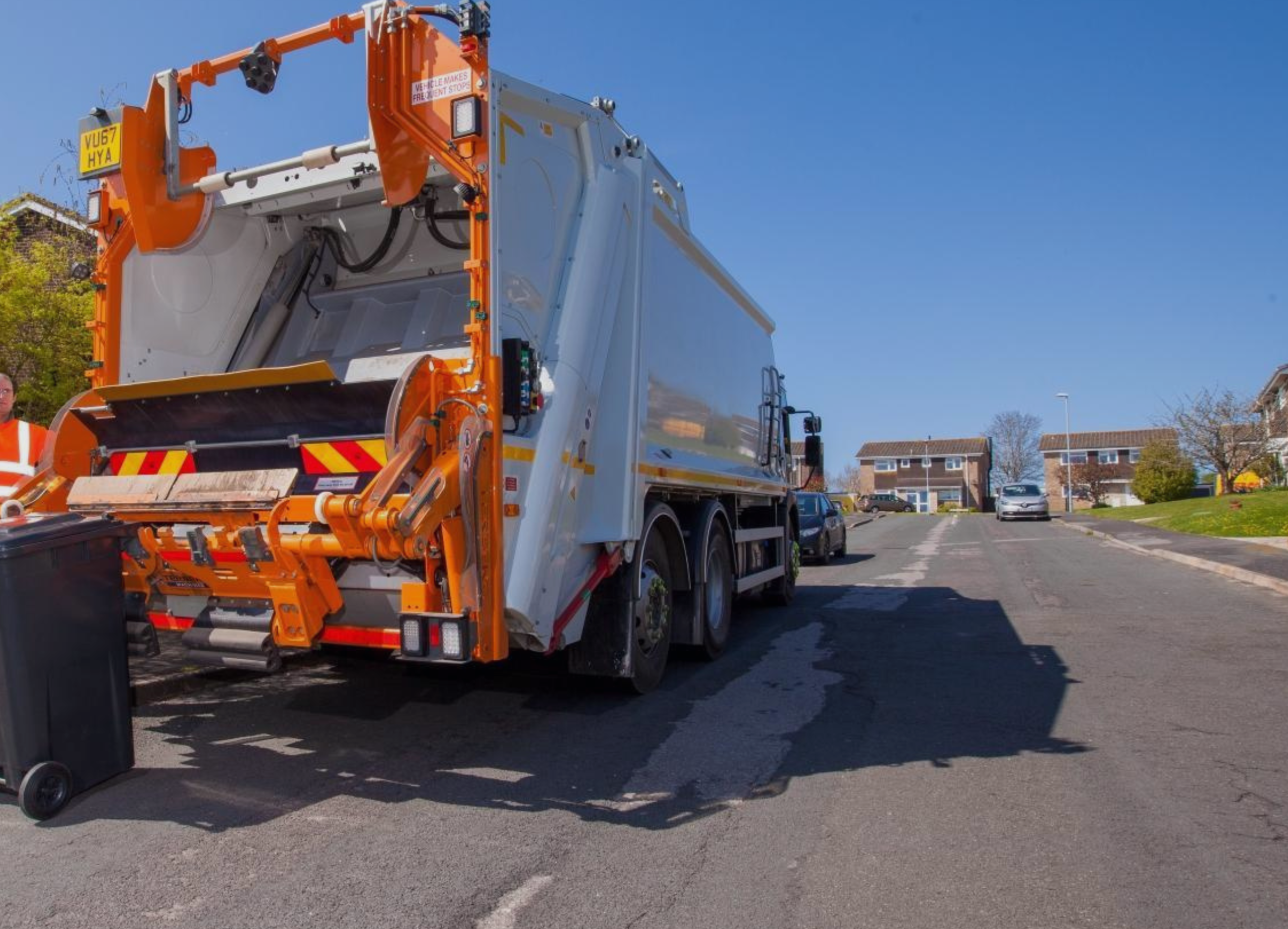
Digital Waste Tracking Is Here: What Businesses Need to Know
Digital Waste Tracking is now in effect. Discover what Phase 1 means for businesses, who is affected and what happens...
Read More
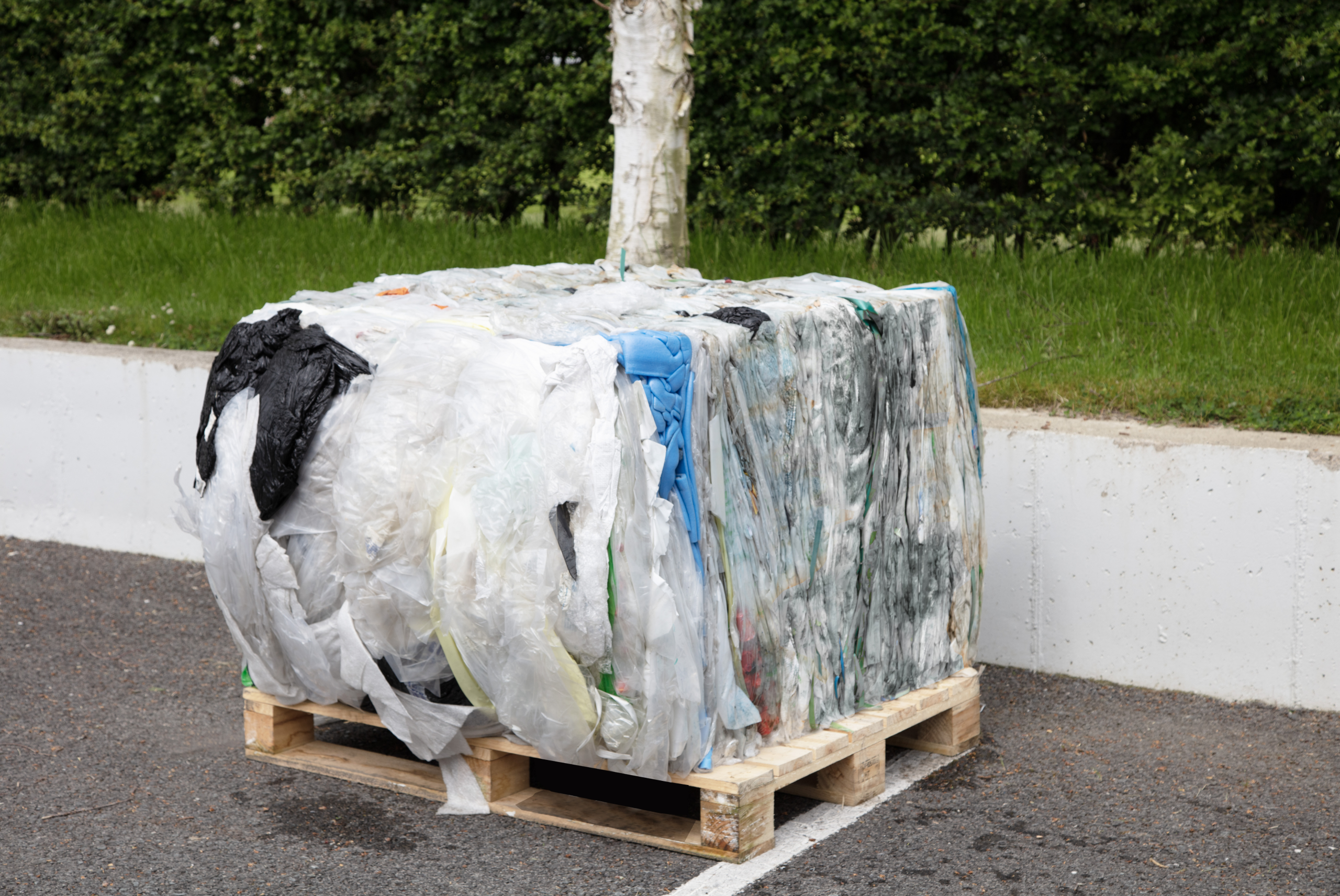
PRN Market Update 2026: Rising Prices, Evidence Shortages and the Impact on Business Waste Costs
PRN prices are rising sharply in 2026 as recycling evidence shortages and higher packaging recycling targets put pressure on the...
Read More

Whitemeadow Furniture Limited
Discover how Flame UK helped Whitemeadow Furniture simplify waste management, reduce general waste and increase recycling with one point of...
Read More
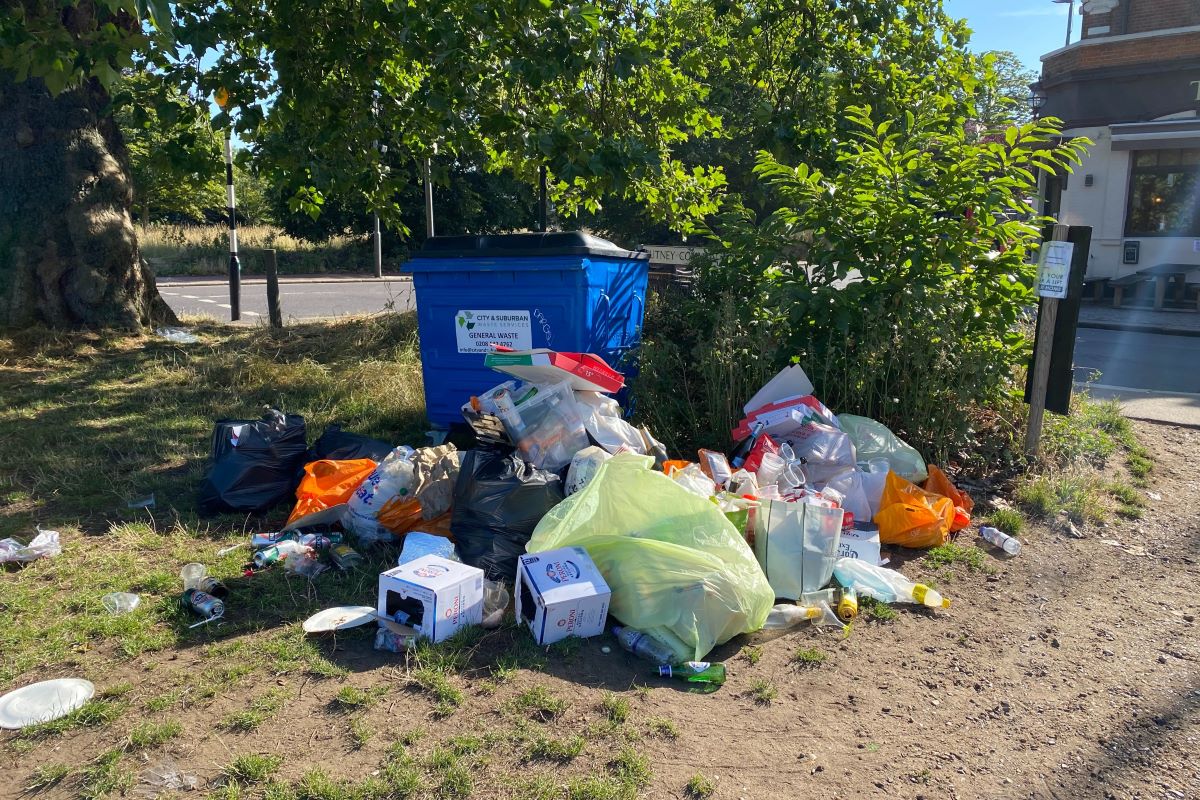
The Real Cost of Contaminated Recycling in 2026
Recycling contamination can lead to additional charges, rejected collections and poorer recycling performance. Discover what causes contaminated recycling, the warning...
Read More